
⚠️ This page connects you to Atovia’s partners and affiliate markets. We may receive a commission from affiliate partners for activities made through these links. Discount offers may change at any time according to policy! Rest assured, there are no additional costs to you! We hope this saves you time in finding the right items!
You wake up after a short night, and the mirror shows puffy eyes and dull skin. It’s a familiar morning, and it raises a fair question: is “beauty sleep” actually real?
In short, yes. Steady, good-quality sleep plus a few simple habits can help your skin and your overall look. This guide covers what happens overnight, how much sleep you need, and what to do tonight.
- What Your Body Actually Does While You Sleep
- Does Beauty Sleep Really Show on Your Face?
- How Many Hours of Beauty Sleep Do You Need?
- Build a Wind-Down Routine That Works
- Set Up a Bedroom That’s Good for Your Skin
- Your Overnight Skincare Routine
- Sleep Position, Pillowcases, and Hair
- What to Eat, Drink, and Skip Before Bed
- Common Beauty Sleep Mistakes to Avoid
- Your Tonight-Ready Beauty Sleep Checklist
- FAQ
Key takeaways
- Most adults need 7 or more hours per night.
- Consistent bed and wake times matter as much as total hours.
- Keep the bedroom cool, dark, and quiet.
- Cleanse before bed. A simple routine beats a long one.
What Your Body Actually Does While You Sleep
Sleep is when your body slows down and carries out repair and recovery. Your brain, muscles, and skin all get a chance to reset.
Why skin gets attention at night
Skin cells renew themselves, and blood flow to the skin tends to increase during sleep. That helps explain why a good night’s rest often shows up as a fresher face. Think of sleep as the free, built-in part of your skincare routine.
What happens to hormones and stress overnight
Sleep helps keep stress hormones such as cortisol in a healthy rhythm. Short or broken sleep can push cortisol higher, which is linked to more stress and, for some people, more skin flare-ups.

Deep sleep is also when the body releases growth hormone, which supports tissue repair. Cutting sleep short cuts into that window.
Does Beauty Sleep Really Show on Your Face?
Yes, research links poor sleep with a more tired look. In a well-known study, observers rated sleep-deprived people as looking less healthy and more tired than when they were well rested.
Here is what people commonly notice after a rough night:
- Dark circles under the eyes
- Puffy or swollen eyelids
- Dull, uneven skin tone
- Fine lines that look more visible

One caution: most of this research is small or short-term. It shows a link between sleep and appearance, but it cannot promise that more sleep will fix every skin concern.
How Many Hours of Beauty Sleep Do You Need?
Most adults need at least 7 hours a night. Teens and older adults have slightly different ranges, based on guidance from the CDC and the American Academy of Sleep Medicine (AASM).
| Age group | Recommended sleep | Quick note |
|---|---|---|
| Teens (13-18) | 8-10 hours | Growing bodies need more rest |
| Adults (18-64) | 7 or more hours | Under 7 hours is linked to health risks |
| Adults (65+) | 7-8 hours | Sleep may be lighter and more broken |
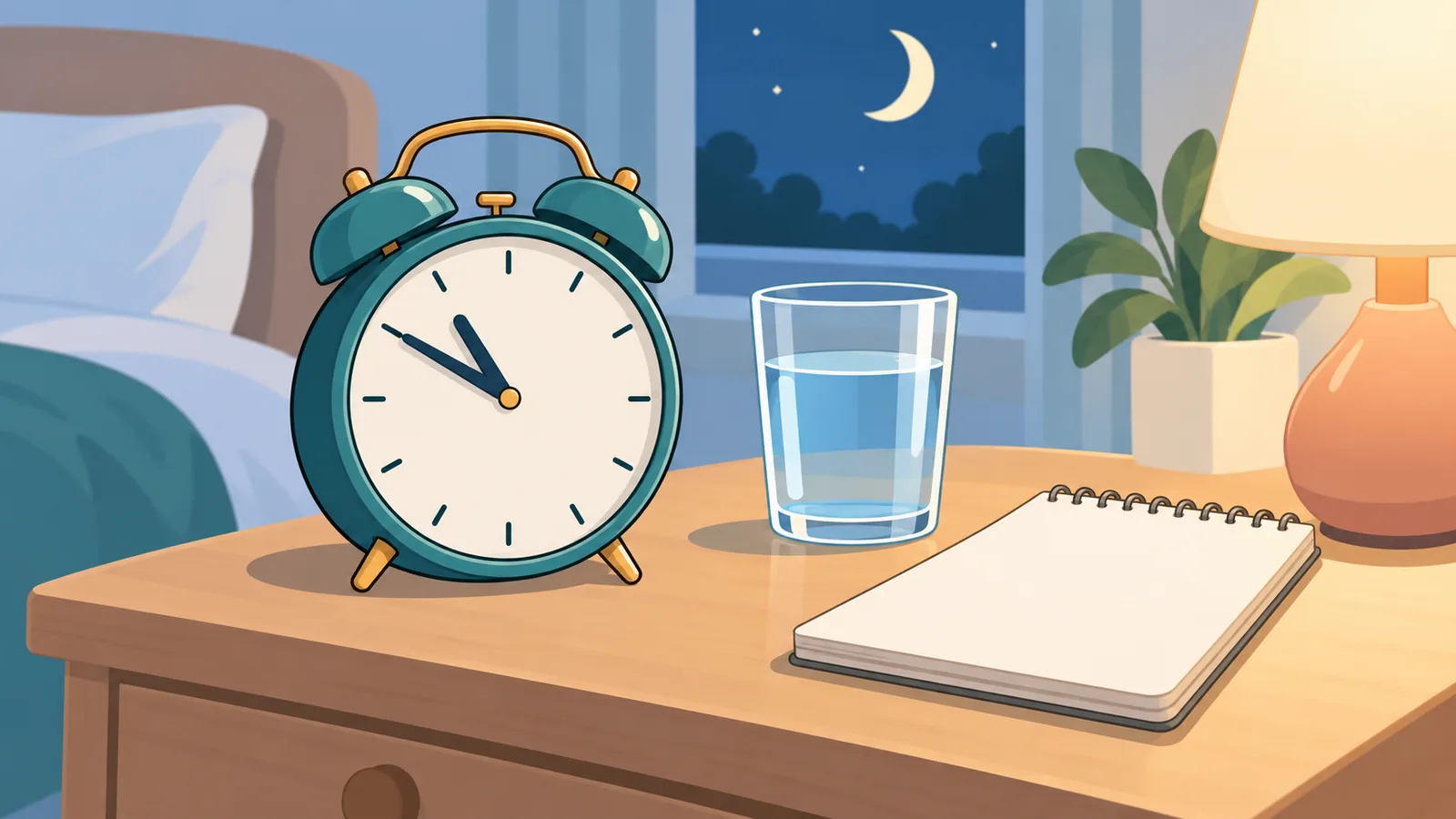
Quality and consistency matter as much as the number. Going to bed and waking up at similar times, even on weekends, helps your body settle into a steady rhythm.
Build a Wind-Down Routine That Works
Start easing off 30 to 60 minutes before bed. Your brain needs a signal that the day is ending, and a repeatable routine is that signal.
Screens and light in the last hour
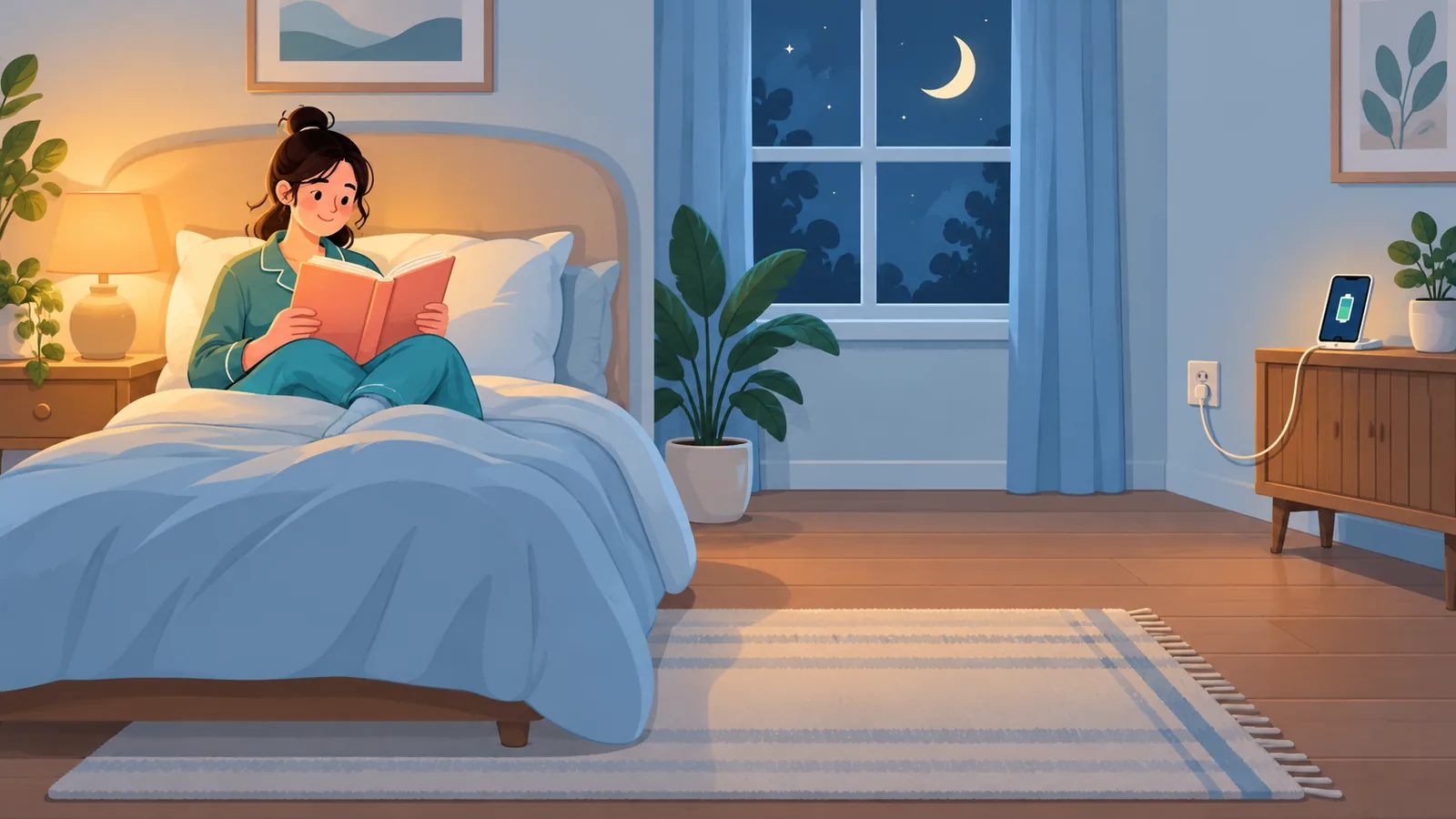
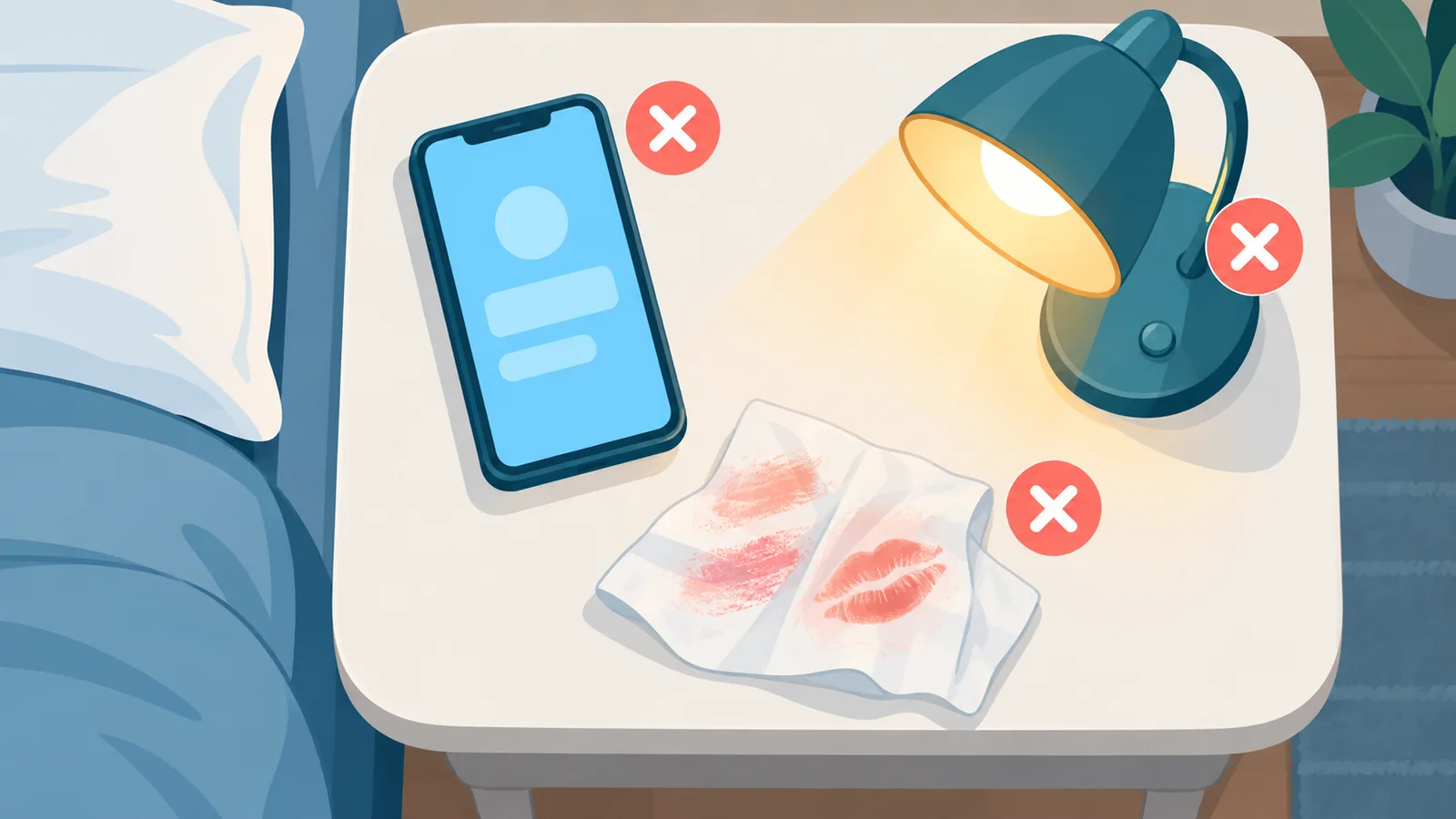
Bright light and busy feeds keep your mind alert. Dim the lights, and try to put your phone down or switch it to a quiet, low-brightness mode.
If you can, charge your phone across the room. It removes the temptation to scroll.
Calming habits that are easy to keep
Pick small things you will actually do, such as a warm shower, light stretching, or reading a paperback. Here is a simple order to try:
- Set a “screens off” time about 45 minutes before bed.
- Dim the lights in your living space.
- Take a warm shower or wash your face.
- Stretch gently or read a few pages.
- Get into bed at the same time each night.
Set Up a Bedroom That’s Good for Your Skin
A cool, dark, quiet room helps you fall asleep faster and sleep more deeply. Small changes often make a bigger difference than expensive gadgets.
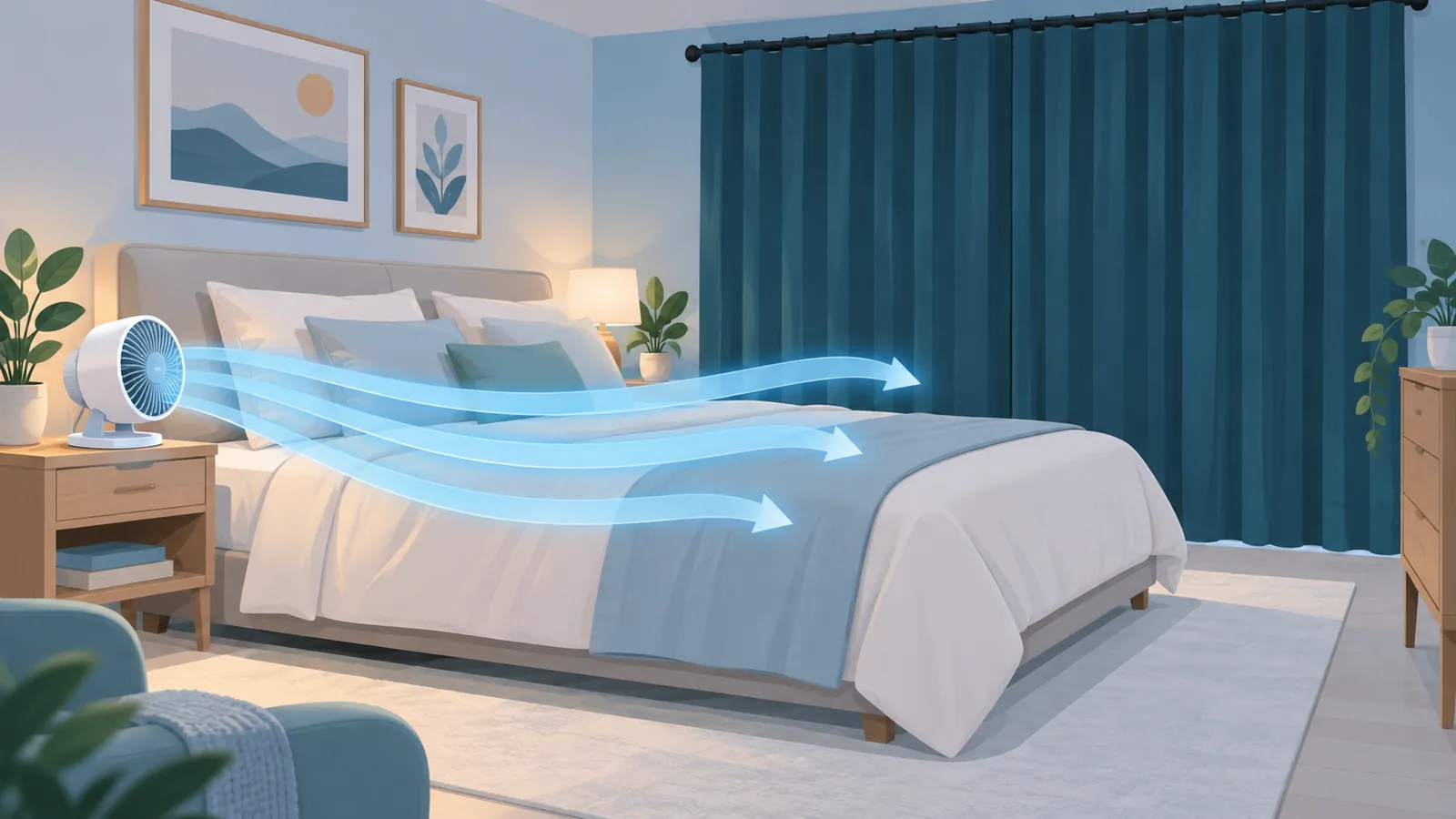
- Temperature: Many sleep experts suggest roughly 60-67°F (about 65°F is a common target).
- Light: Use blackout curtains or a sleep mask, and cover small glowing lights.
- Noise: Try earplugs, a fan, or a white noise machine.
- Comfort: A supportive mattress and a pillow you like make staying asleep easier.
If your air is dry, especially in winter, a humidifier may keep your skin and lips from feeling tight in the morning.
Your Overnight Skincare Routine
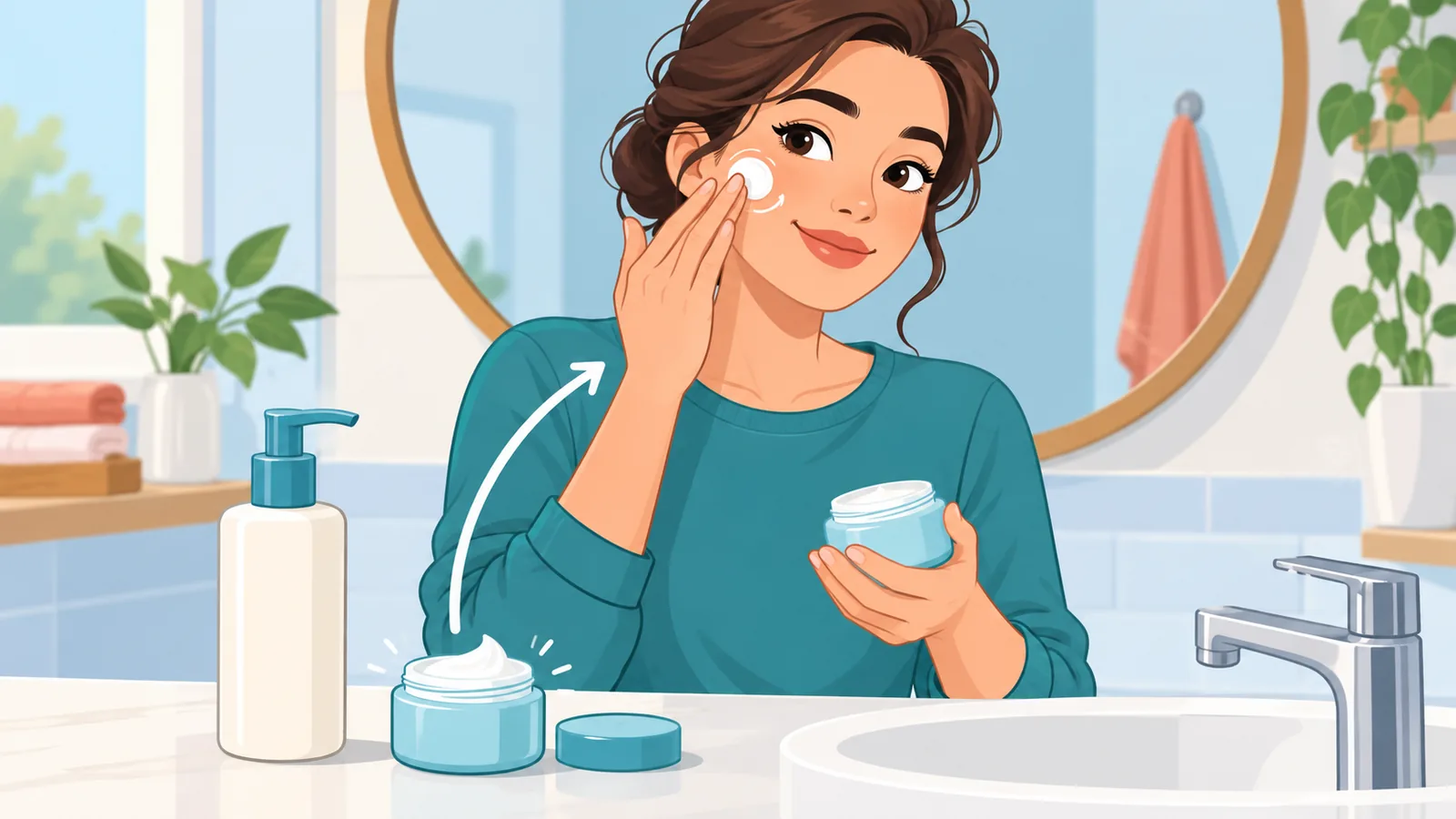
Keep it simple: cleanse, treat, moisturize. A short routine you repeat every night beats a long one you skip.
🛒 Recommended Product
A 3-step night routine for most skin types
- Cleanse to remove makeup, sunscreen, and the day’s buildup, using lukewarm water.
- Treat with one targeted product if you use one, such as a hydrating serum or a retinoid.
- Moisturize to help your skin hold on to water overnight.
When to use retinoids or exfoliants, and when to go gentle
The American Academy of Dermatology notes that retinoids are typically used at night and can make skin more sensitive to the sun. Start slowly, a couple of nights a week, and patch-test new products first.
If your skin feels stinging, tight, or red, skip the active ingredients for a few nights and stick to gentle cleansing and moisturizer.
Light lotion vs. richer night cream: oily or combination skin often does well with a light lotion. Dry or mature skin may prefer a richer cream, especially in cold or dry weather.
Sleep Position, Pillowcases, and Hair
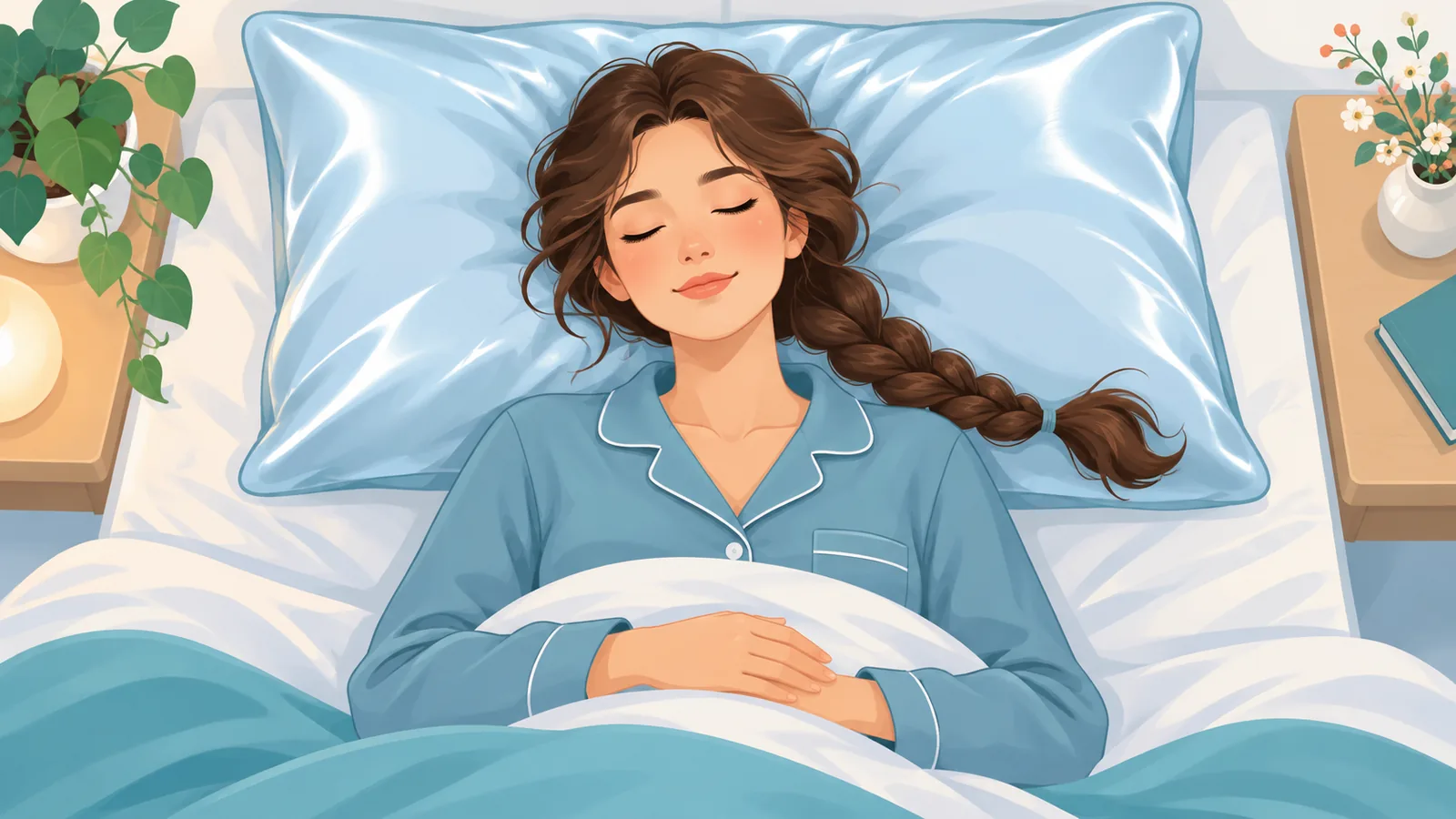
Sleeping on your back is the position least likely to press on your face. Dermatology sources suggest that sleeping with your face pressed into a pillow may contribute to sleep lines over time, though the evidence is limited.
- Back: Least pressure on the face, but not comfortable for everyone and may worsen snoring.
- Side: Popular and comfortable, though one cheek may press into the pillow.
- Stomach: Most face pressure, and it can strain the neck.
A silk or satin pillowcase may cause less friction for hair and skin. The research is thin, so treat it as a comfortable extra rather than a cure.

For hair, try a loose braid or a soft scrunchie, and avoid tight elastics that tug while you move.
What to Eat, Drink, and Skip Before Bed
Heavy meals, alcohol, and late caffeine are the usual sleep disruptors. They can make it harder to fall asleep or keep you waking up during the night.
- Caffeine: Many sleep experts suggest stopping at least 6 hours before bed.
- Alcohol: It may make you drowsy at first, but it tends to fragment sleep later.
- Late meals: Try to finish large meals a few hours before bed.
- Water: Sip earlier in the evening so you are not up at night.
Easy swaps: herbal tea instead of an evening coffee, and a small piece of fruit instead of a late heavy snack.
Common Beauty Sleep Mistakes to Avoid
The most common mistake is an irregular schedule. A big gap between weekday and weekend bedtimes can leave you feeling jet-lagged.
- Swinging your sleep schedule by several hours on weekends
- Scrolling on your phone in bed
- Skipping makeup and sunscreen removal
- Keeping the bedroom too warm
- Washing your face with very hot water
- Starting several new products at once
Your Tonight-Ready Beauty Sleep Checklist
Here is a short list you can use tonight. You do not need to do it all at once.
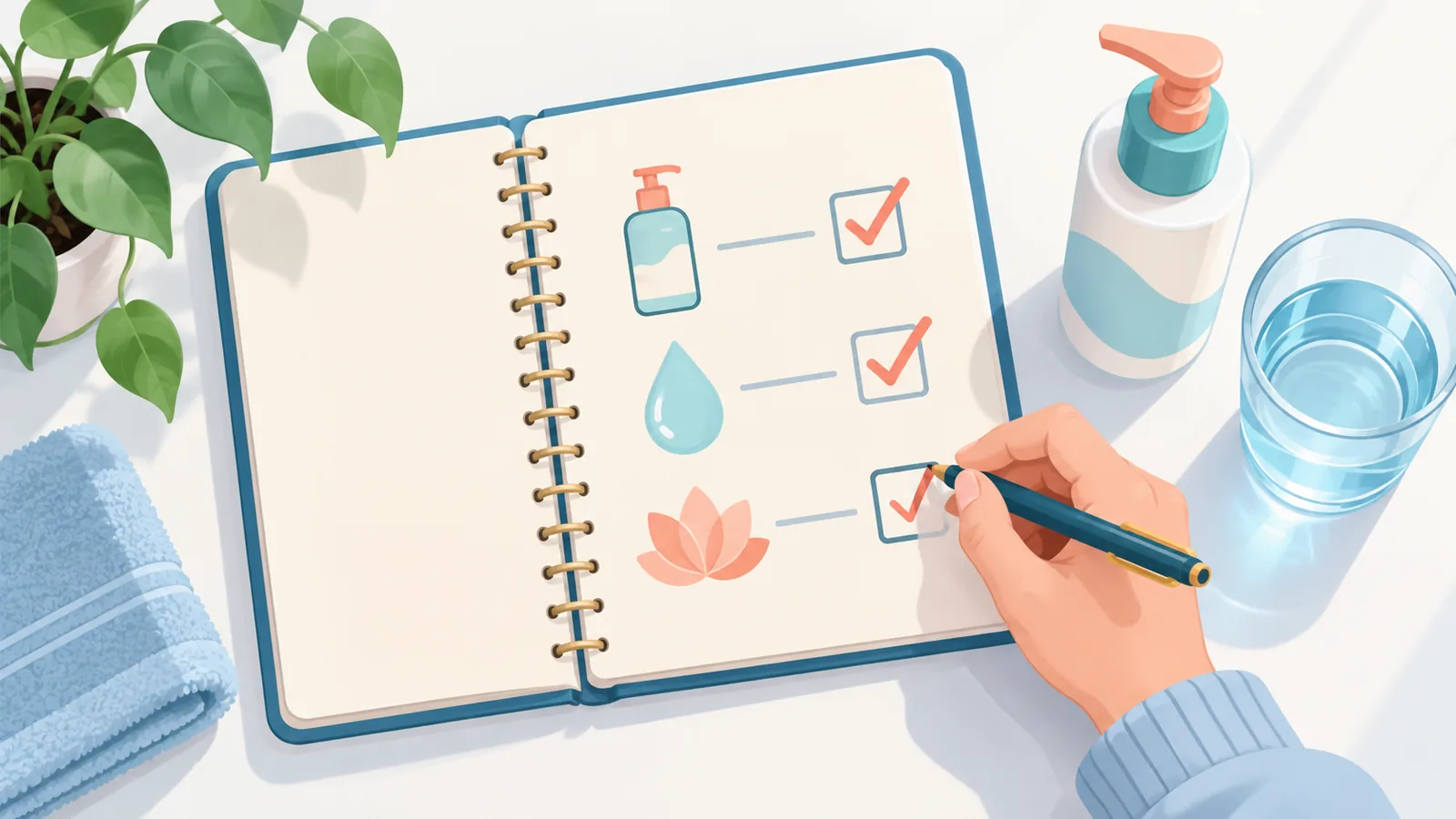
- Pick a bedtime and wake time you can keep
- Stop caffeine by mid-afternoon
- Dim the lights and put screens away
- Cleanse your face and moisturize
- Cool and darken the bedroom
- Tie your hair loosely
- Charge your phone across the room
So here is your next step: pick two items from this list tonight, and keep them for a week.
FAQ
Is 6 hours enough for beauty sleep?
For most adults, probably not. The CDC and AASM recommend 7 or more hours, and regularly getting less is linked to health risks.
Can you catch up on lost sleep on the weekend?
A little extra rest can help you feel better. But big weekend swings can disrupt your rhythm, so steady sleep all week works better.

Does a silk pillowcase really help?
It may reduce friction on hair and feel comfortable, but strong research is limited. Think of it as a nice extra.
Should I use a night cream every night?
You do not have to, but a moisturizer at night suits most skin types. Choose a lighter or richer formula based on how dry your skin feels.
When should I talk to a doctor about sleep problems?
If you struggle to sleep most nights, snore loudly, stop breathing in your sleep, or feel exhausted all day, talk to a doctor. Ongoing trouble deserves professional help.
Try the checklist for one week and see how your mornings feel. If sleep trouble continues, please see a doctor.
References
- Sleep Foundation: beauty sleep and appearance (sleepfoundation.org)
- Centers for Disease Control and Prevention: how much sleep you need (cdc.gov/sleep)
- American Academy of Sleep Medicine: sleep duration guidance (aasm.org)
- American Academy of Dermatology Association: skin care and sleep (aad.org)
Try Atovia’s free tool for this topic →
Want more comparisons and buying guides?
Citing this article
Source: Atovia (Atovia). https://atovia.kr