⚠️ This page connects you to Atovia’s partners and affiliate markets. We may receive a commission from affiliate partners for activities made through these links. Discount offers may change at any time according to policy! Rest assured, there are no additional costs to you! We hope this saves you time in finding the right items!
- Which chef knife size is the safe choice for most home kitchens?
- How do you choose a chef knife that fits your hand and habits?
- Western or Japanese style: what changes in the kitchen?
- Best for sharpness and light weight: MAC Professional Hollow Edge 8-inch
- Best for easy care and low upkeep: Victorinox Fibrox Extra Wide 8-inch
- Best for a classic forged feel: WÜSTHOF Classic 8-inch
- Best for a Japanese-style edge: Global G-2
- Chef knife comparison at a glance
- What should you check besides blade length?
- How do you wash, store, and keep your knife safe?
- FAQ
You are standing in front of a wall of knives, and every label says “professional.” Is length the thing to check, or the brand, or the steel? So here is the short answer: Good Housekeeping tested a range of knives and found that an 8-inch blade balances comfort and versatility for most home cooks [S2].
As an Amazon Associate I earn from qualifying purchases.
🛒 Recommended Product
The rest comes down to your hand, your habits, and how much upkeep you will put up with. This guide compares four well-known 8-inch-class knives on the specs the makers and testers actually list.
Key takeaways
- An 8-inch blade is a comfortable default for most home cooks, but hold it first if you can [S2].
- The three knives with listed weights are close: 6.4 oz (Victorinox), 6.5 oz (MAC), and 220 g (Global) [S1][S3][S5].
- Only the Victorinox Fibrox Extra Wide is listed as dishwasher safe by its maker; the WÜSTHOF Classic should be hand washed [S3][S4].
- Avoid bones and other hard foods with a knife like the MAC, which can chip [S1].
Which chef knife size is the safe choice for most home kitchens?
Eight inches is a comfortable default for most home cooks, according to Good Housekeeping’s testing [S2]. That said, it is not a rule for every hand, so try one before you commit if you can.
What everyday jobs does a chef knife handle?
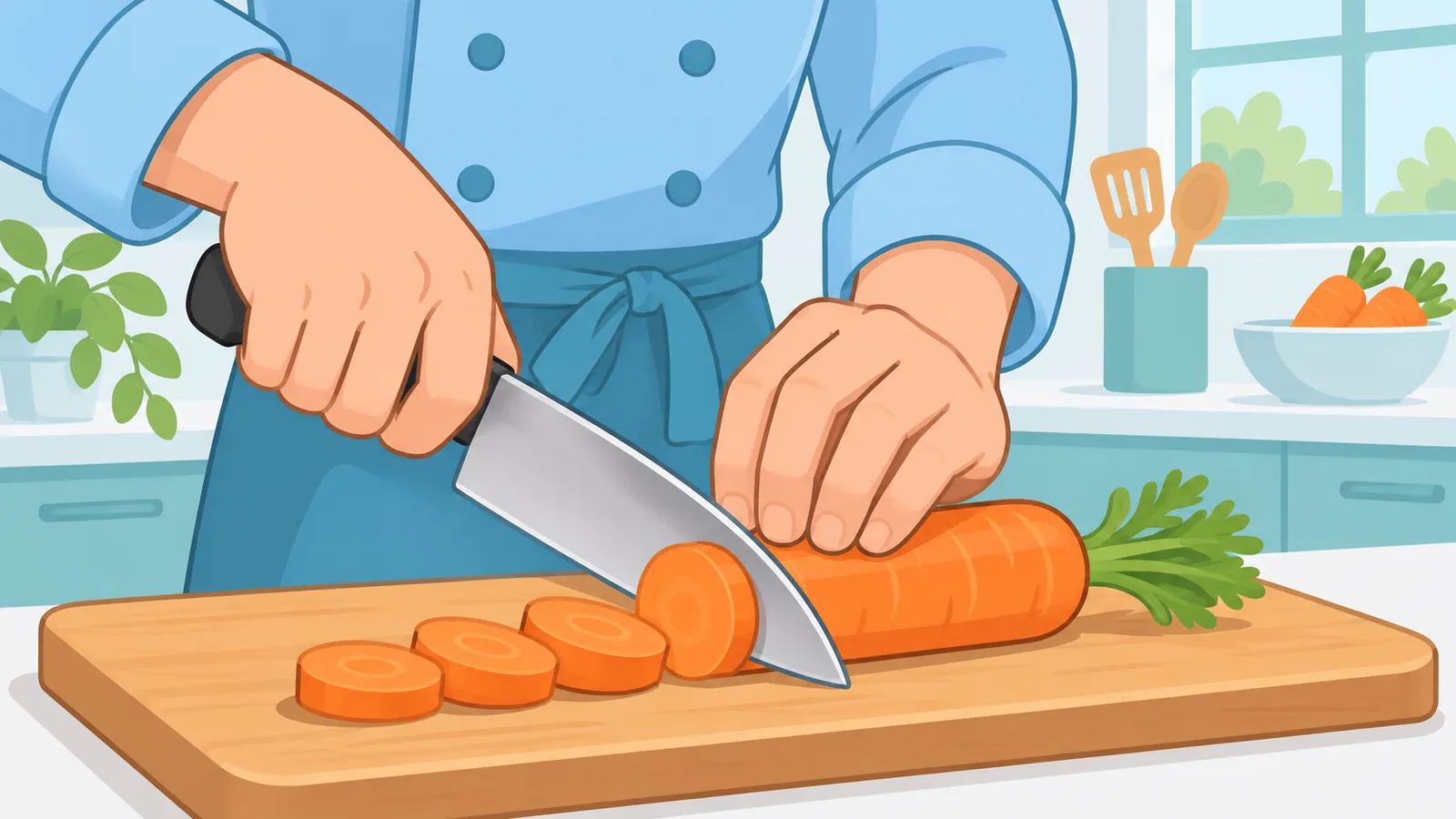
Good Housekeeping’s basic chef knife tasks include dicing onions, slicing carrots, mincing garlic, and chopping herbs [S2]. If those are your weeknight jobs, a general-purpose 8-inch knife covers them.
One caution: “best” depends on how a test is set up. Bon Appétit compared knives on sharpness, construction, and how comfortable they are to hold [S1]. A different test with different priorities could rank them differently.
How do you choose a chef knife that fits your hand and habits?
Choose the knife you will enjoy picking up every day. Run through this short checklist before you buy:
- Grip comfort: does the handle sit well in your palm?
- Weight: do you want light and nimble or heavy and sturdy?
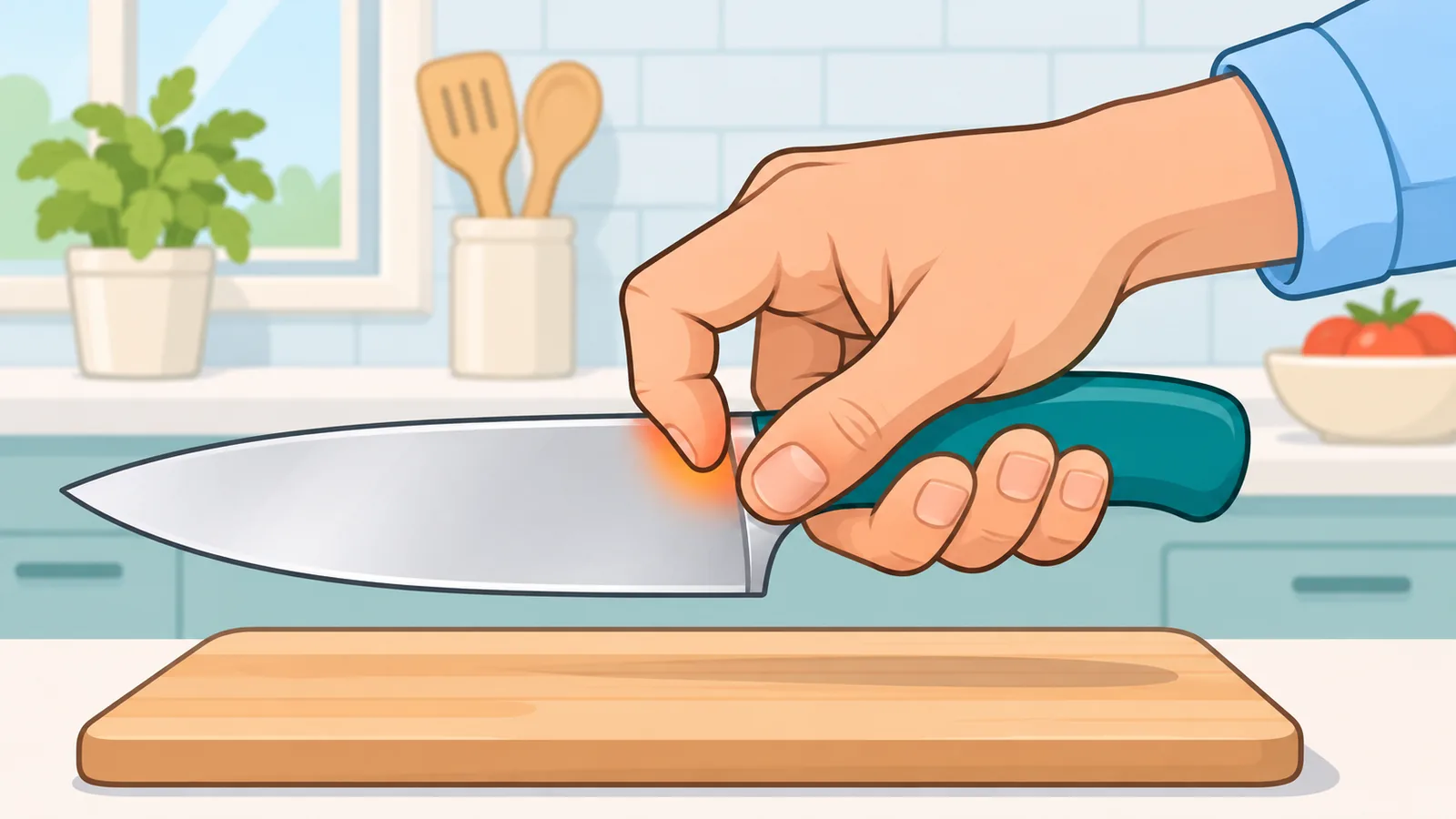
- Balance: does the knife feel steady when you hold it near the blade?
- Handle texture: is it grippy when your hands are wet?
- Care routine: will you hand wash and dry right away?
- Budget: set it before you start comparing.
Light and sharp or heavy and sturdy?
Here is the catch: the knives in this guide are close in weight. The Victorinox lists 6.4 oz, the MAC 6.5 oz, and the Global 220 g [S1][S3][S5]. So the feel of the handle and the blade shape may matter more than the number on the spec sheet.
Western or Japanese style: what changes in the kitchen?
It is hard to sum up in one line, so stick to what the makers state. WÜSTHOF describes its Classic line as German-made and forged [S4]. Global lists its G-2 with a 15-degree double-bevel edge [S5].
Beyond those facts, avoid sweeping rules about either style. If you can, hold one of each and see which feels more natural in your hand.
Best for sharpness and light weight: MAC Professional Hollow Edge 8-inch
This is Bon Appétit’s overall pick, and it is sharp, light, and easy to sharpen [S1]. The blade measures 7.88 inches, the knife weighs 6.5 oz, and the edge is double-bevel [S1].
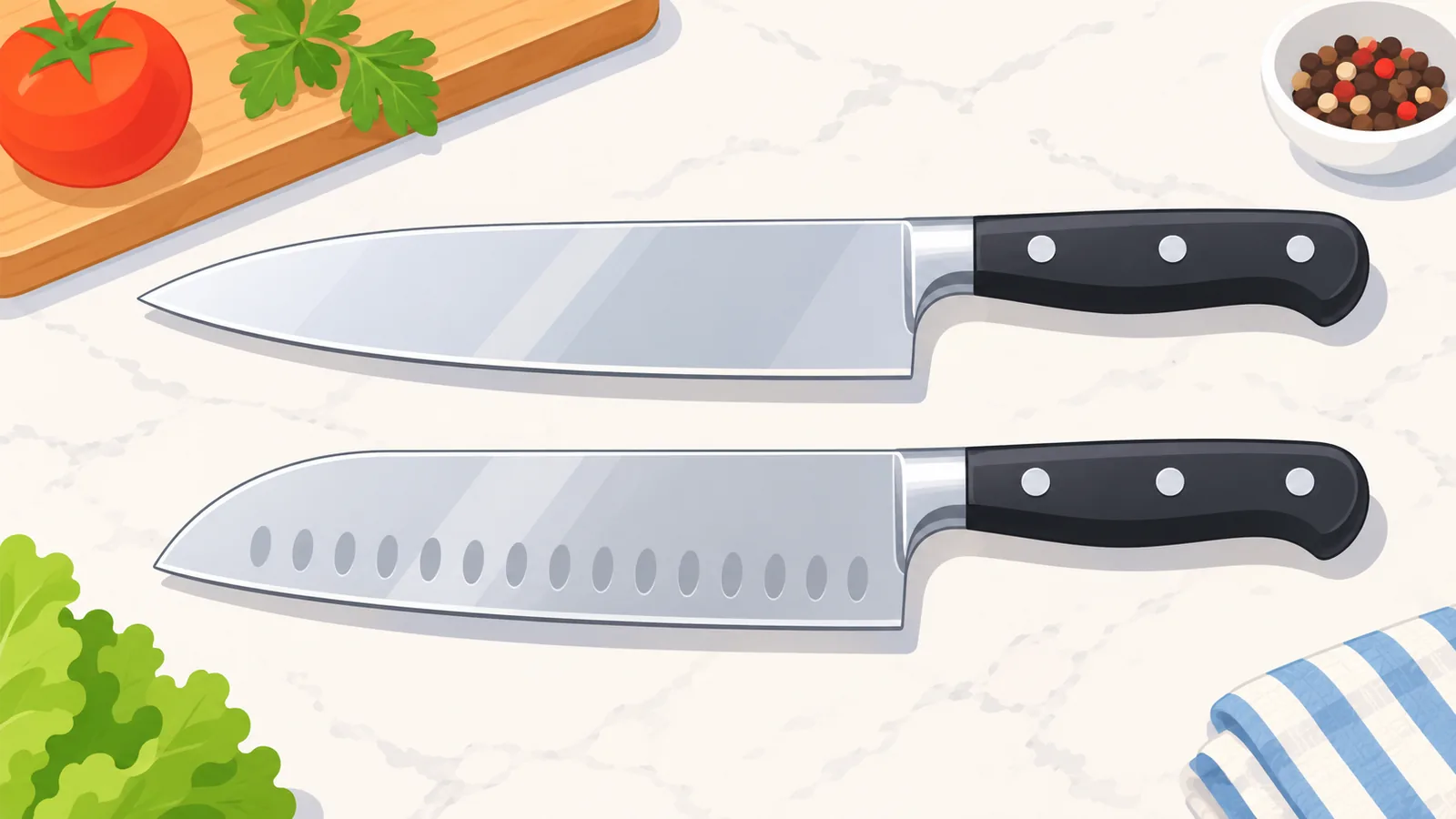
It suits cooks who like precise, light cutting. The caution is that it can chip when cutting bones or other hard foods [S1], so use a different tool for those jobs.
I could not verify an official manufacturer page for this model, so the only link here goes to the Bon Appétit roundup.
Best for easy care and low upkeep: Victorinox Fibrox Extra Wide 8-inch
If you want a knife that asks little of you, this one fits. The blade is 7.9 inches and it weighs 6.4 oz, with a non-slip TPE handle and a straight edge [S3]. It is made in Switzerland, and the manufacturer lists it as dishwasher safe [S3].
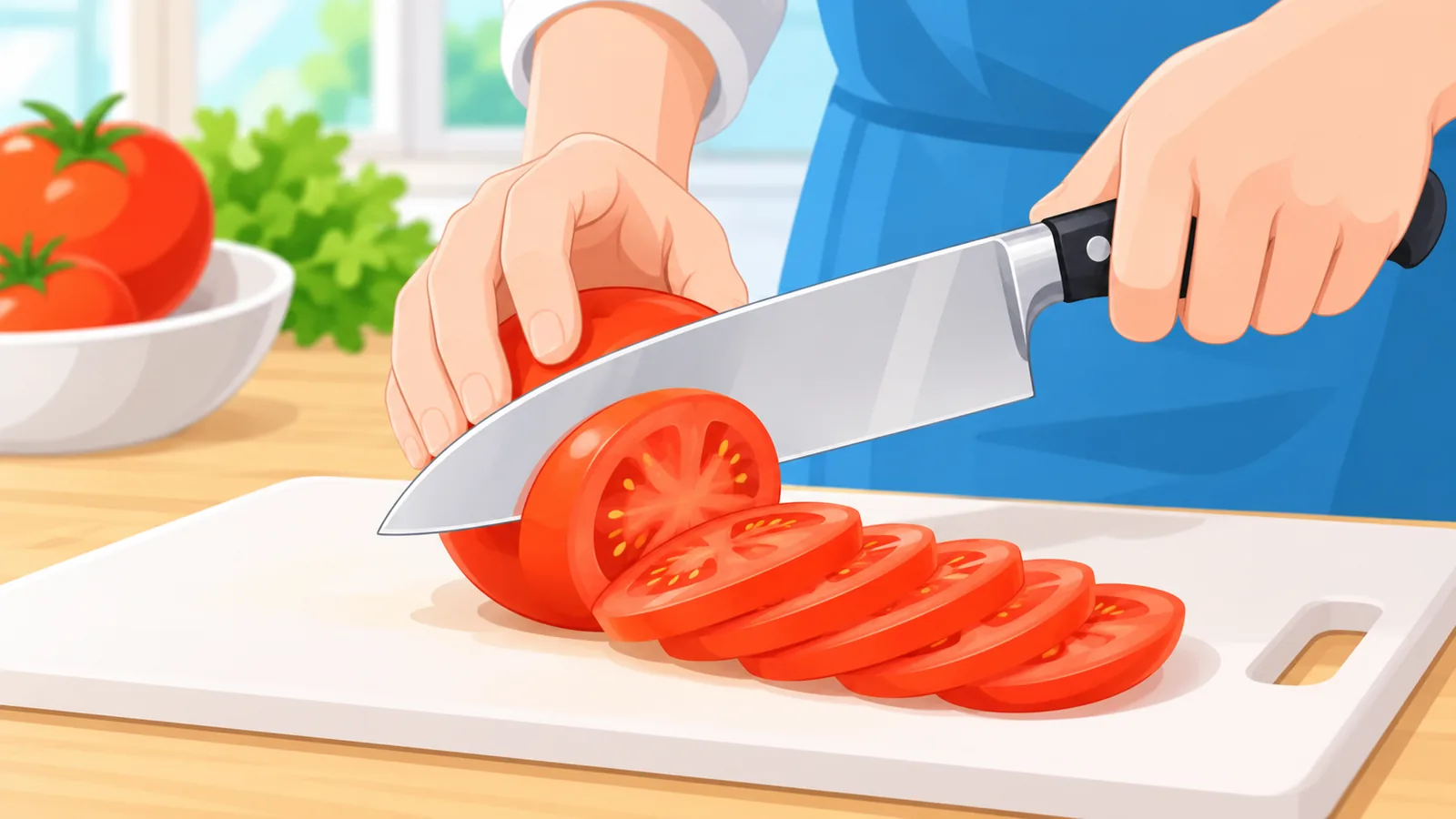
The trade-off: one comparison found the wide blade can feel awkward for delicate work. If you do a lot of fine slicing, hold it before you commit.
Best for a classic forged feel: WÜSTHOF Classic 8-inch
This one is for cooks who like a traditional forged knife. It is German-made and forged, with a 58 HRC rating and an 8-inch blade [S4].
Care is simple but strict. The maker says to hand wash it, dry it right away, and not to cut on metal, glass, or bamboo [S4].
Best for a Japanese-style edge: Global G-2
Global’s G-2 has a 20 cm blade and weighs 220 g [S5]. The maker lists Cromova 18 steel and a 15-degree double-bevel edge [S5].
🛒 Recommended Product
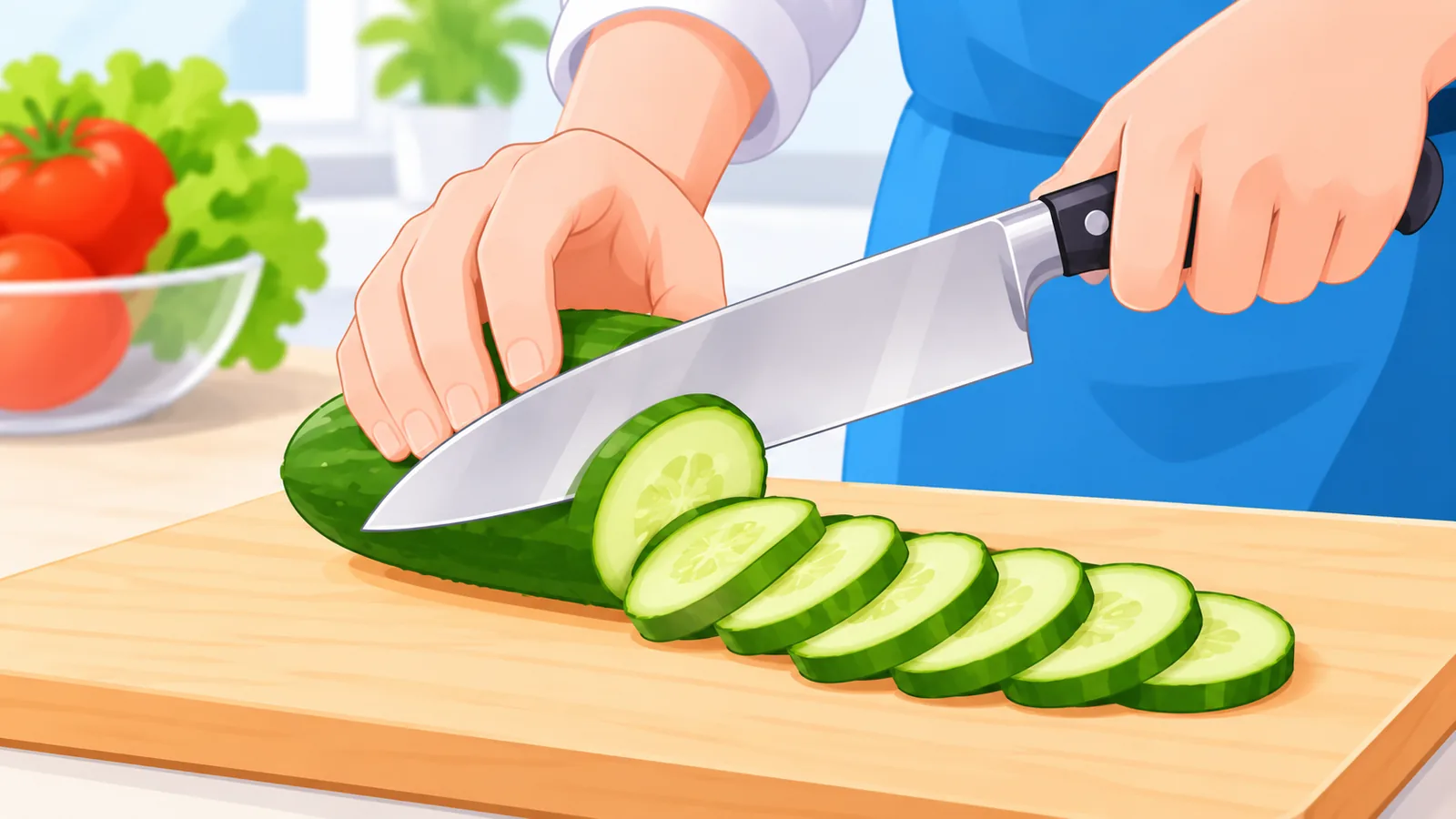
I found no verified drawbacks for this model. Fit and handle comfort vary from person to person, so a quick hold in a store is worth the time.
Chef knife comparison at a glance
This table puts the four picks side by side. “Not listed” means the sources used here do not give that detail.
| Knife | Blade length | Weight | Steel / hardness | Handle / build | Care note |
|---|---|---|---|---|---|
| MAC Professional Hollow Edge 8-inch | 7.88 in | 6.5 oz | Not listed | Double-bevel edge | Can chip on bones or hard foods [S1] |
| Victorinox Fibrox Extra Wide 8-inch | 7.9 in | 6.4 oz | Not listed | TPE handle, straight edge, Swiss made | Dishwasher safe per maker [S3] |
| WÜSTHOF Classic 8-inch | 8 in | Not listed | 58 HRC | Forged, German made | Hand wash, dry right away [S4] |
| Global G-2 | 20 cm | 220 g | Cromova 18 | 15-degree double-bevel edge | Not listed |
What should you check besides blade length?
Length is only the start. Check these five things before you buy:
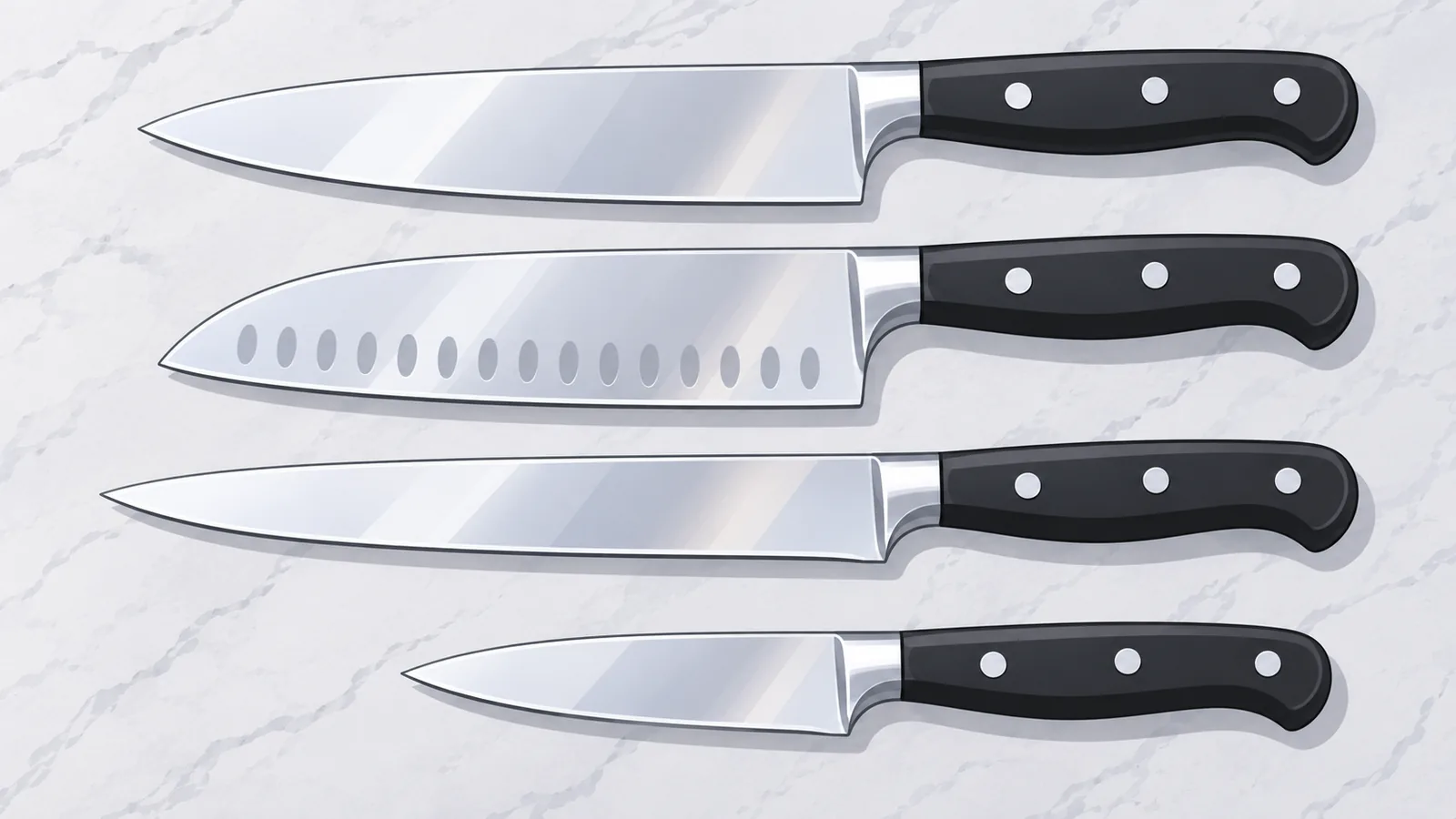
- Weight and balance: how the knife feels in a real grip.
- Edge style: note details like double-bevel angles where the maker gives them.
- Handle grip: texture, shape, and how it feels when wet.
- Steel and hardness: use the figures when the maker lists them.
- Care instructions: confirm what the maker says before you wash it.
Can you cut bones with a chef knife?
Avoid it with hard-edged knives like the MAC, which can chip on bones and other hard foods [S1]. For bone work, consider a dedicated tool instead.
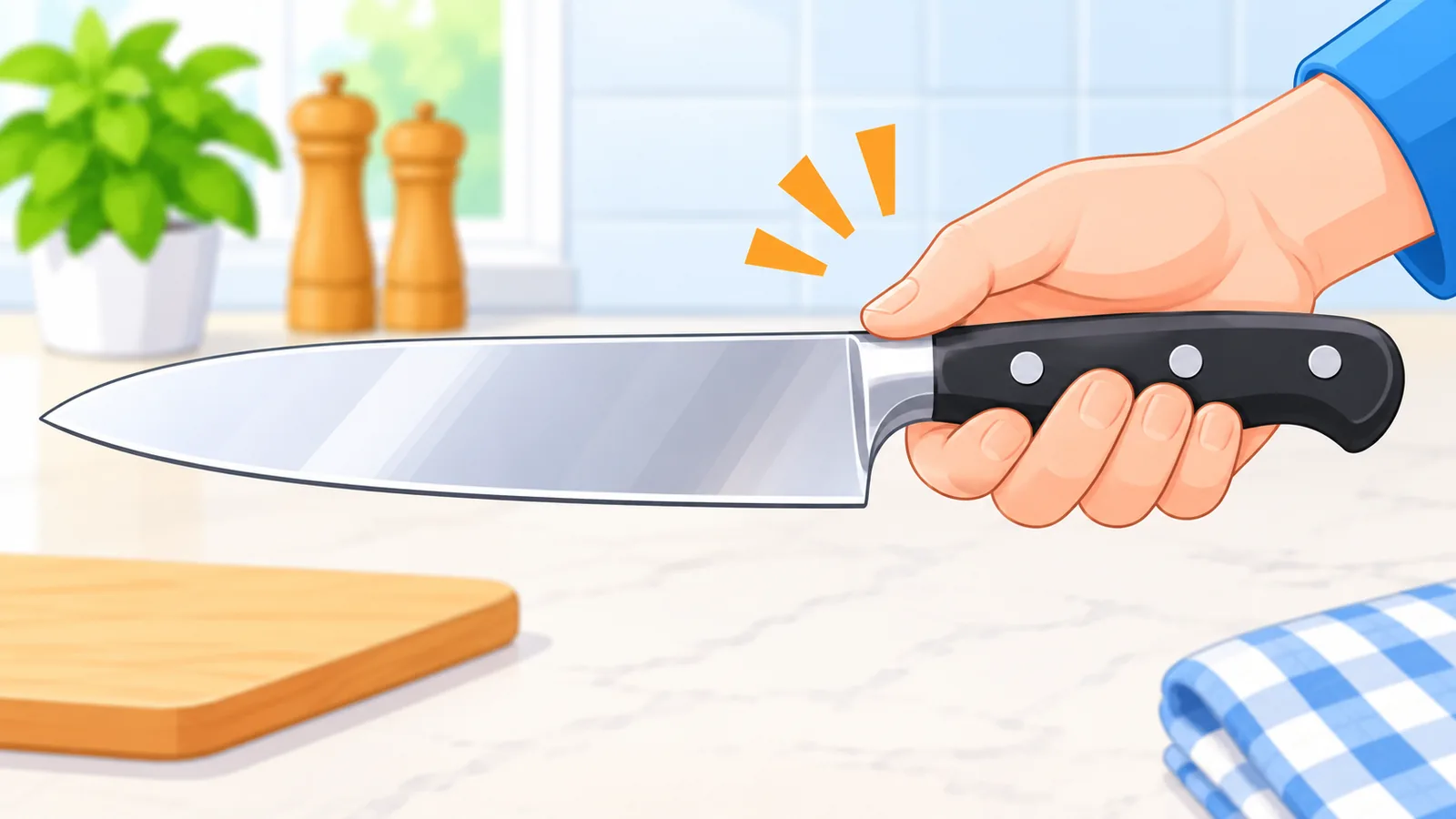
How do you wash, store, and keep your knife safe?
Follow the maker’s instructions for your specific knife. WÜSTHOF says to hand wash and dry the Classic right away [S4]. The Victorinox dishwasher marking is for that model only, so do not assume it applies to other knives [S3].
For food safety, use separate boards for raw produce and for raw meat, poultry, and seafood. FoodSafety.gov also advises washing boards and tools that touched those foods in hot, soapy water [S6]. That source covers food handling, not knife buying.

FAQ
Is 8 inches right for beginners?
It is a sensible starting point, since Good Housekeeping found it balances comfort and versatility for most home cooks [S2]. Still, hold one first if you can.
Western or Japanese style for a first knife?
The sources here do not support a blanket rule. Compare facts like forged construction [S4] and edge angle [S5], then choose what feels comfortable.
Can I put my chef knife in the dishwasher?
Only if the maker says so. The Victorinox Fibrox Extra Wide is listed as dishwasher safe [S3], while WÜSTHOF says to hand wash the Classic [S4].

Can I cut bones with it?
Avoid it with hard-edged knives like the MAC, which can chip [S1]. A dedicated tool is the safer choice.
Do I need separate cutting boards?
FoodSafety.gov recommends separate boards for raw produce and for raw meat, poultry, and seafood [S6]. Wash them in hot, soapy water after use.
Your next step
Hold two or three candidate knives in a store if you can, and pick the one that feels balanced and comfortable. You can also review the makers’ pages: Bon Appétit’s roundup (MAC), Victorinox Fibrox Extra Wide, WÜSTHOF Classic, and Global Knives.
References
Want more comparisons and buying guides?