⚠️ This page connects you to Atovia’s partners and affiliate markets. We may receive a commission from affiliate partners for activities made through these links. Discount offers may change at any time according to policy! Rest assured, there are no additional costs to you! We hope this saves you time in finding the right items!
Achieving a brighter smile at home has never been easier, with a wide range of teeth whitening kits offering professional-level results without the dentist price tag. This guide breaks down the best at-home teeth whitening kits available in the US, comparing ingredients, effectiveness, sensitivity, and value so you can choose the right one for your smile.
- Look for kits with clinically proven whitening agents such as hydrogen peroxide or carbamide peroxide.
- Sensitivity is a common side effect — choose formulas with added enamel protection if you have sensitive teeth.
- LED-accelerated kits can deliver faster visible results compared to strips or trays alone.
- Most at-home kits require consistent daily use over 1–2 weeks for best results.
- ADA-accepted products offer an additional layer of safety and efficacy assurance.
1. What to Look for in an At-Home Teeth Whitening Kit
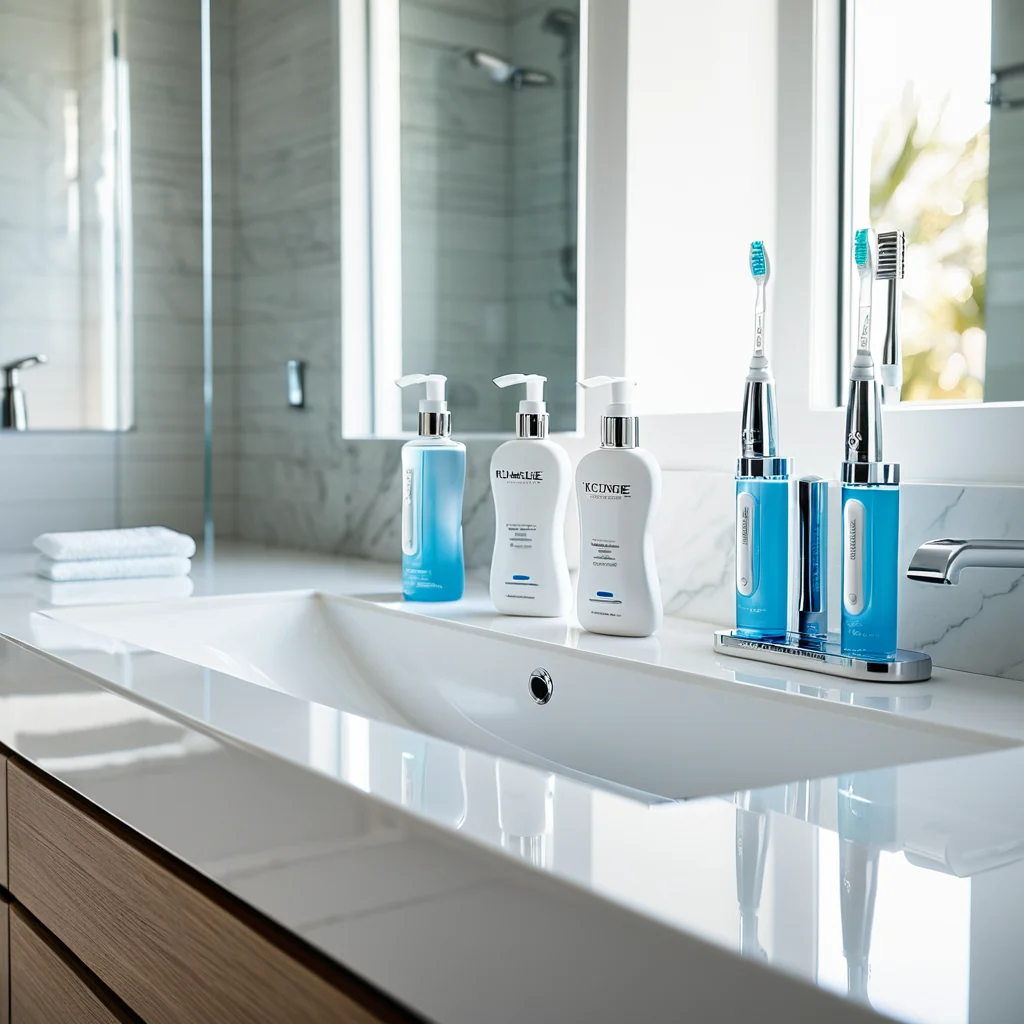
With dozens of whitening products lining store shelves and filling online carts, knowing what actually works can save you both money and frustration. The most effective kits share a few key characteristics that separate them from gimmicky alternatives.
The active whitening ingredient is the single most important factor. Hydrogen peroxide and carbamide peroxide are the gold-standard compounds used by dentists and consumer brands alike. Hydrogen peroxide works faster at lower concentrations, while carbamide peroxide releases more slowly, making it gentler for extended wear. Over-the-counter kits typically contain between 3% and 10% hydrogen peroxide — enough to whiten several shades without requiring a prescription.
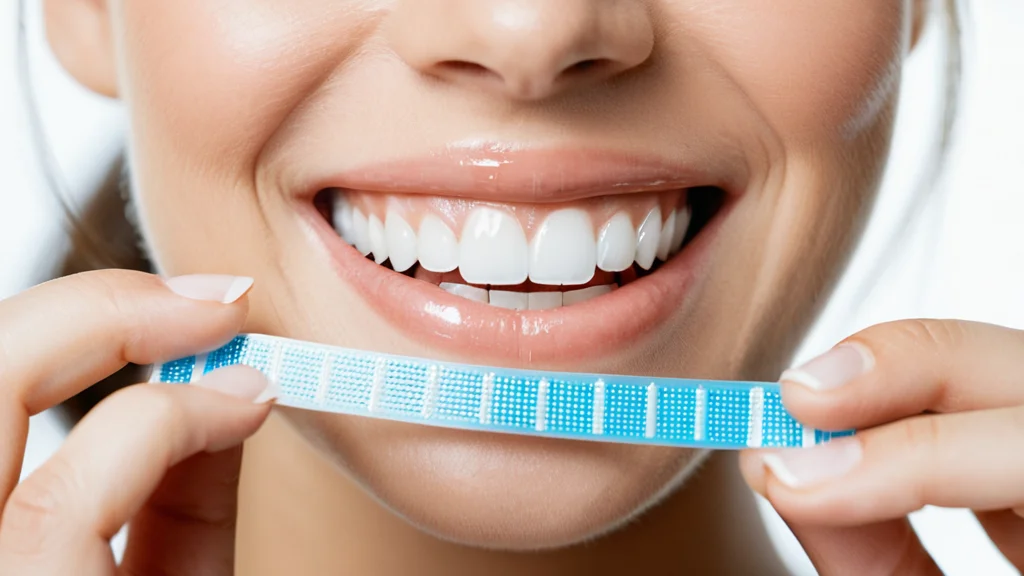
Application method matters just as much as the formula. Whitening strips conform closely to the tooth surface and are among the most widely researched formats. Custom-fit or boil-and-bite trays create a seal that keeps the gel in consistent contact with enamel. LED mouthpieces use blue light technology to accelerate the chemical reaction. Each format has trade-offs in convenience, coverage, and cost.
Sensitivity management is a growing priority for manufacturers. Look for kits that include potassium nitrate or fluoride in the formula, or that offer a separate desensitizing step. If you already experience tooth or gum sensitivity, opting for a lower-concentration formula used less frequently is smarter than pushing through discomfort.
Finally, consider the total cost of the treatment cycle, not just the upfront price. Some kits are inexpensive to start but require expensive refill cartridges. Others charge a premium for the device but include enough gel for multiple rounds of whitening.
2. Best At-Home Teeth Whitening Kits of 2026

The market has matured significantly, and the top performers in 2026 combine proven chemistry with smarter delivery systems. Here are the standout options across different categories and budgets.
Crest 3D Whitestrips Professional Effects remains a top pick for strip-format whitening. Each strip conforms to the contours of your teeth and uses an Advanced Seal technology that prevents slipping while you go about your routine. The kit delivers noticeably whiter teeth in about 20 days of consistent use, with results comparable to a professional light treatment according to the brand’s clinical data. It is one of the few strip products to carry the ADA Seal of Acceptance.
AuraGlow Teeth Whitening Kit is a strong mid-range LED option that bundles a reusable LED mouthpiece with carbamide peroxide gel syringes. The hands-free mouthpiece fits most mouth sizes and the 35% carbamide peroxide formula is effective for stubborn surface stains from coffee, wine, and tobacco. A single 10-minute session per day over two weeks produces visible results for most users.
GLO Science GLO Brilliant sits at the premium end of the at-home market. It uses a patented Guided Light Optics mouthpiece that combines gentle heat and LED light to accelerate the hydrogen peroxide gel. The system is designed to minimize sensitivity while maximizing whitening speed, and the slim device is rechargeable via USB. It is a favorite among users who want dentist-grade results without the in-office appointment.
Colgate Optic White ComfortFit LED Device offers an accessible entry point into LED whitening. The flexible mouthpiece is designed to fit a wide range of bite sizes, and the kit uses a 9% hydrogen peroxide serum that is gentler than some competitors. It is an ideal first kit for whitening newcomers or those with mildly sensitive teeth.
Snow Teeth Whitening All-in-One System has carved out a loyal following through its serum-and-mouthpiece model. Users apply a wand-delivered serum directly to teeth before inserting the LED mouthpiece. The brand offers both standard and extra-strength serums, making it adaptable for different sensitivity levels, and the device itself is sleek enough to use while streaming or scrolling.
🛒 Recommended Product
3. How Different Whitening Methods Compare
Understanding the format differences helps you match the right product to your lifestyle, budget, and whitening goals.
| Feature | Whitening Strips | LED Kit with Tray | Custom Tray (Dentist) |
|---|---|---|---|
| Average Cost | $25–$55 | $50–$150 | $300–$600 |
| Active Ingredient | Hydrogen Peroxide (6–10%) | Carbamide/Hydrogen Peroxide | Carbamide Peroxide (10–22%) |
| Treatment Time | 30 min/day, 14–20 days | 10–30 min/day, 7–14 days | 30–60 min/day, 2–4 weeks |
| Whitening Speed | Moderate | Fast | Fastest (at-home) |
| Sensitivity Risk | Low–Moderate | Moderate | Moderate–High |
| Convenience | High | High | Moderate |
| ADA Recognition | Some products | Select brands | Yes (dentist-supervised) |
Strips are the most accessible and require no device investment, making them ideal for first-time whiteners. LED kits with trays accelerate results and are better suited for users with moderate staining who want faster turnaround. Dentist-dispensed custom trays offer the highest peroxide concentration available outside a clinical setting, but require an office visit for impressions and carry the highest price.
4. Tips for Safe and Effective Whitening at Home
Getting the most out of your whitening kit is as much about technique and timing as it is about the product itself. A few smart habits can dramatically improve your results and protect your enamel in the process.
Always brush your teeth before applying any whitening treatment. Clean teeth allow the whitening agent to make direct contact with enamel rather than having to work through a layer of plaque or food residue. However, avoid whitening immediately after brushing with a fluoride toothpaste — rinse and wait at least 30 minutes, as fluoride can temporarily block peroxide penetration.
Do not exceed the recommended treatment frequency. Overuse of peroxide-based products can lead to enamel erosion and chronic sensitivity. Most kits are designed for one daily application over one to two weeks, followed by a maintenance routine of once a week or less once your target shade is reached.
Avoid staining foods and beverages — coffee, red wine, berries, tomato sauce, and dark teas — during your active treatment period. The whitening process temporarily opens enamel pores, making teeth more susceptible to re-staining. If you cannot skip your morning coffee, drink it through a straw and rinse your mouth with water immediately after.
If you experience significant sensitivity during treatment, take a one- to two-day break and resume at a shorter application time. Applying a fluoride or potassium nitrate gel after whitening can also help remineralize enamel and reduce nerve sensitivity.
Consult your dentist before starting any whitening regimen if you have crowns, veneers, bonding, or significant cavities. Whitening agents work only on natural tooth enamel, which means restorations will not change color and may end up mismatched after treatment. Active cavities can allow peroxide to reach the inner tooth nerve, causing sharp pain.
5. Frequently Asked Questions
How many shades whiter can I realistically expect? Most over-the-counter kits can whiten teeth by two to seven shades depending on the starting color, the product’s peroxide concentration, and how consistently you follow the regimen. Results vary based on the type of staining — surface stains from food and drink respond well, while intrinsic discoloration from medications or aging may require professional treatment.
Are at-home whitening kits safe for enamel? When used as directed, ADA-accepted whitening products are considered safe for tooth enamel. The key is not overusing them. Excessive or too-frequent applications can weaken enamel over time. Choose products within recommended peroxide ranges and follow the included instructions carefully.
How long do whitening results last? Results typically last between three months and one year depending on your diet, oral hygiene habits, and whether you use maintenance treatments. Regular touch-ups every few months with a gentler maintenance strip or whitening toothpaste can help extend your results.
Can I use whitening kits if I have sensitive teeth? Yes, but choose products specifically formulated for sensitivity. Brands like Sensodyne and Colgate offer lower-peroxide options with added desensitizing agents. Reducing application time and frequency is also advisable. If sensitivity persists, consult your dentist before continuing.
Is there a difference between whitening strips and whitening toothpaste? Significant difference, yes. Whitening toothpastes primarily use mild abrasives to polish surface stains and may contain low levels of peroxide, but they do not have prolonged contact with enamel. Strips and trays maintain direct gel contact for 20–60 minutes, which is necessary for meaningful enamel lightening.