
⚠️ This page connects you to Atovia’s partners and affiliate markets. We may receive a commission from affiliate partners for activities made through these links. Discount offers may change at any time according to policy! Rest assured, there are no additional costs to you! We hope this saves you time in finding the right items!
You see huge prize pools and packed arenas, then wonder how teams actually pay the bills. Prize money is rarely the full answer. Below is a clear map of the real revenue streams, who pays for each, and why revenue is not the same as profit.
- How Do Esports Orgs Make Money? The Short Answer
- Sponsorships and Brand Partnerships
- Publisher Revenue Sharing and League Payments
- In-Game Items, Team Capsules, and Merchandise
- Prize Money: Why the Headline Number Isn’t Org Income
- Content, Streaming, and Media Rights
- Player Image Rights and Transfer Fees
- Revenue vs. Profit vs. Investment
- FAQs
- How to Read an Esports Org’s Finances
How Do Esports Orgs Make Money? The Short Answer
Orgs earn money from brand sponsorships, publisher payouts, in-game item and merchandise sales, content, prize money, and occasionally player transfers. Sponsorship is a leading source, and Riot described its League of Legends (LoL) esports business in 2024 as heavily sponsor-dependent.
Here’s the catch: income did not keep pace with costs in that business, and Riot said some teams’ cash positions suffered. A big revenue line does not guarantee a healthy org.
- Riot said its 2024 LoL esports business leaned heavily on sponsorship, and income growth lagged cost growth.
- In VCT 2024, Riot shared $78.4 million across 44 teams, including $44.3 million from digital items. That is not team profit.
- Prize pools are not org income, because player and org splits vary by contract.
- Investor cash funds operations but is not revenue or profit.
Sponsorships and Brand Partnerships
Sponsorship is a leading revenue source for esports orgs, and it works as a trade of exposure for money. A brand pays, and the team delivers visibility.
What does a sponsor actually get?
According to WIPO, sponsorship deals can include team naming rights, jersey logos, social media exposure, and promotion during broadcasts. Each deal bundles these differently.

Why does sponsor dependence create risk?
When one source carries most of the load, a pullback hurts quickly. Riot’s 2024 description of LoL esports shows the pattern: heavy sponsorship reliance, with income growth trailing cost growth.
Publisher Revenue Sharing and League Payments
In some leagues, the game publisher pays partner teams directly. These are specific league programs, not rules for every game.
In VALORANT’s VCT, Riot said in 2024 that each team receives 50% of the capsule profit attributable to that team. Riot also reported that it shared $78.4 million across 44 teams in VCT 2024, including $44.3 million from digital items. That total is not team income or profit.
LoL worked differently. Before 2024, partnership teams received 50% of league revenue, not profit. Riot’s 2024 proposal for LCK, LCS, and LEC teams added fixed support plus a share of digital content revenue.
| Program | What teams receive | Main caveat |
|---|---|---|
| VCT 2024 (VALORANT) | 50% of each team’s capsule profit | Profit share, not total team income |
| LoL partnership model before 2024 | 50% of league revenue | Revenue, not profit |
| LoL 2024 proposal (LCK, LCS, LEC) | Fixed support plus digital content revenue share | A proposal for specific regions |

In-Game Items, Team Capsules, and Merchandise
Fan purchases reach teams in two ways: through publisher revenue splits and through the org’s own merchandise. WIPO lists merchandise and in-game item sales among the main revenue sources for orgs.
The scale of publisher splits can be large. Riot said that in 2023, VALORANT international in-game collections distributed more than $33 million to partner teams.
How does a capsule differ from a hoodie?
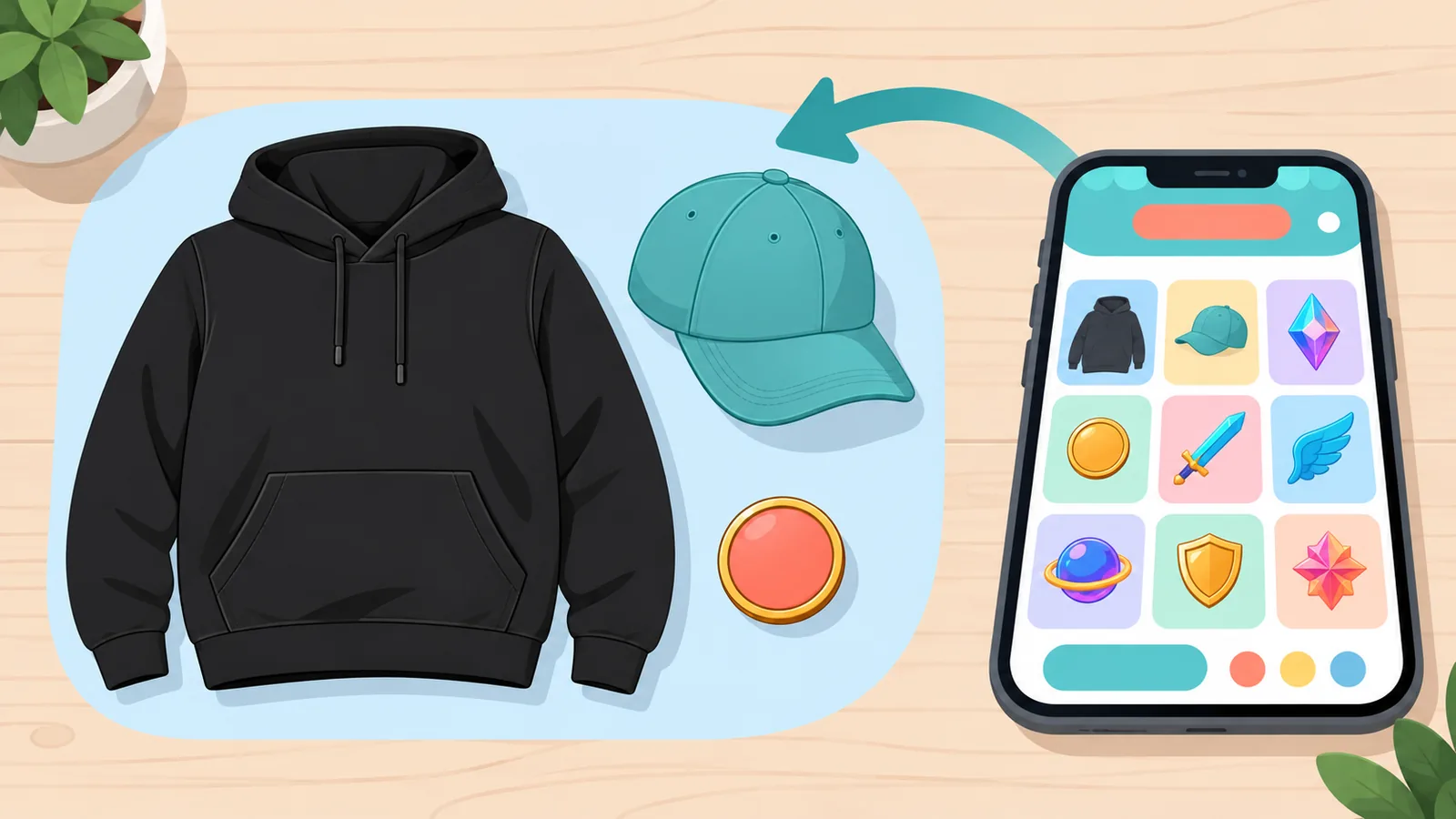
A capsule is a publisher-run in-game item, and the team receives a share of the profit attributable to it. A hoodie is the org’s own product, where the org sells directly to fans. Team and player-linked merchandise deals can also add income, depending on contracts.
Prize Money: Why the Headline Number Isn’t Org Income
A headline prize pool is not what an org keeps. Esports Insider notes that the split between players and the org varies by team, game, and contract.
Next time you see a prize figure, ask three things:

🛒 Recommended Product
- Who actually won it, the players or the org?
- What share does the contract send to the org?
- Is the figure before salaries and operating costs?
Content, Streaming, and Media Rights
Broadcast money is modest in the West. Riot has said Western streaming platforms pay little for broadcast rights, and it described past league revenue as mostly sponsorship, with far less from media rights.
Orgs still earn through content and fan engagement, which WIPO groups with merchandise as a revenue category. The pack does not give sizes for these lines, so treat them as supplements, not proven big earners.
Player Image Rights and Transfer Fees
Players can generate income beyond competing, and orgs may share in it. Depending on the contract, an org may use a player’s image and promotion rights or receive part of player-linked sponsorship and merchandise income (WIPO).
Transfer and buyout fees are a real income source for some orgs, according to Esports Insider. Terms and disclosure vary by contract, so this is occasional income, not a dependable line.

Revenue vs. Profit vs. Investment
Revenue, profit, and investor cash are three different things. Payouts, revenue shares, and support all arrive before player and staff salaries and operating costs.
Investment helps fund operations, but Esports Insider’s framing is clear: it is not operating revenue. Keep it out of any revenue tally.
| Revenue stream | Who pays | Main caveat |
|---|---|---|
| Sponsorships | Brands | Riot described heavy dependence in LoL esports in 2024 |
| Publisher share | Game publisher | Specific league and year, not universal |
| In-game items and merchandise | Fans, through the publisher or the org | Publisher splits are shares, not total income |
| Prize money | Tournament organizers | Player and org split varies by contract |
| Content and media | Platforms, fans, sponsors | Western streaming broadcast revenue is low |
| Transfers and buyouts | Other orgs | Terms and disclosure vary |
| Investment | Investors | Funding, not revenue or profit |

FAQs
Do players get all the prize money?
Not necessarily. The split between players and the org varies by team, game, and contract.
Do teams get money from game sales?
In some leagues, publishers share in-game item revenue with teams. In VCT 2024, each team received 50% of the capsule profit attributable to it.
Are transfer fees a regular income source?
No. They matter to some orgs, but terms and disclosure vary, so they are occasional income.

Is investor money the same as revenue?
No. Investment funds operations, but it is not revenue or operating profit.
Do all leagues share revenue with teams?
No. The VCT and LoL examples are specific programs from specific years, so check each league’s own rules.

How to Read an Esports Org’s Finances
Sort every announced dollar into a category before judging an org’s health. When you read a funding or payout announcement, check these:
- What share comes from sponsorship?
- Is there publisher revenue, and is it a profit share or a revenue share?
- Is a revenue share being mistaken for profit?
- Is investor cash being counted as income?
Today’s next step: pick one org, list its announced income sources, and sort them into the categories in the table above.
Want to check the numbers yourself? Start with Riot’s own announcements.
References
- Esports Insider: How do esports organisations make money?
- WIPO: Intellectual Property and Esports, 4 Stakeholder business models
- VALORANT Esports: Closing Out VCT 2024
- VALORANT Esports: Introducing the 2024 VCT Team Capsules
- Riot Games: Adjusting our LoL Esports Strategy
- Riot Games: Building the Future of Sport at Riot Games
Want more comparisons and buying guides?