
⚠️ This page connects you to Atovia’s partners and affiliate markets. We may receive a commission from affiliate partners for activities made through these links. Discount offers may change at any time according to policy! Rest assured, there are no additional costs to you! We hope this saves you time in finding the right items!
Juggling feels impossible at first because most beginners try to string touches together before they can control a single one. The fix is a progression that starts with one kick and a catch. Juggling means keeping the ball off the ground, and this guide walks you through the first drill, the technique cues, and the order in which to add touches.
- What Soccer Juggling Is and Why It Helps
- The Basic Technique: Laces, Ankle, and Contact Point
- Step 1: Drop, Kick, and Catch
- Step 2: Add More Touches Before You Catch
- Step 3: Switch Feet
- Keeping the Ball at the Right Height
- Common Mistakes and How to Fix Them
- Thigh Touches and Bounce Drills
- Variation Drills to Keep Practice Interesting
- A Simple Practice Session
- Frequently Asked Questions
- References
What Soccer Juggling Is and Why It Helps
Juggling is the skill of keeping the ball off the ground using your feet, thighs, chest, shoulders, or head. As a beginner, you will focus almost entirely on your feet, and the first goal is simply to make clean, controlled contact with the ball.
Coaching guidance from adidas describes juggling as practice for your first touch, your ball control, and your use of both feet. That is a useful way to think about it: each touch is a small rehearsal of control. No source gives a measurable figure for how much juggling improves match performance, so treat it as a skill-building habit rather than a guaranteed shortcut.
One note before you start: the touch counts and benchmarks in this guide are examples from coaching guides. They are not official standards or rules, so adjust them to your own pace.

The Basic Technique: Laces, Ankle, and Contact Point
Good juggling starts with a repeatable strike. Three cues cover most of it, and you can check them on every attempt.
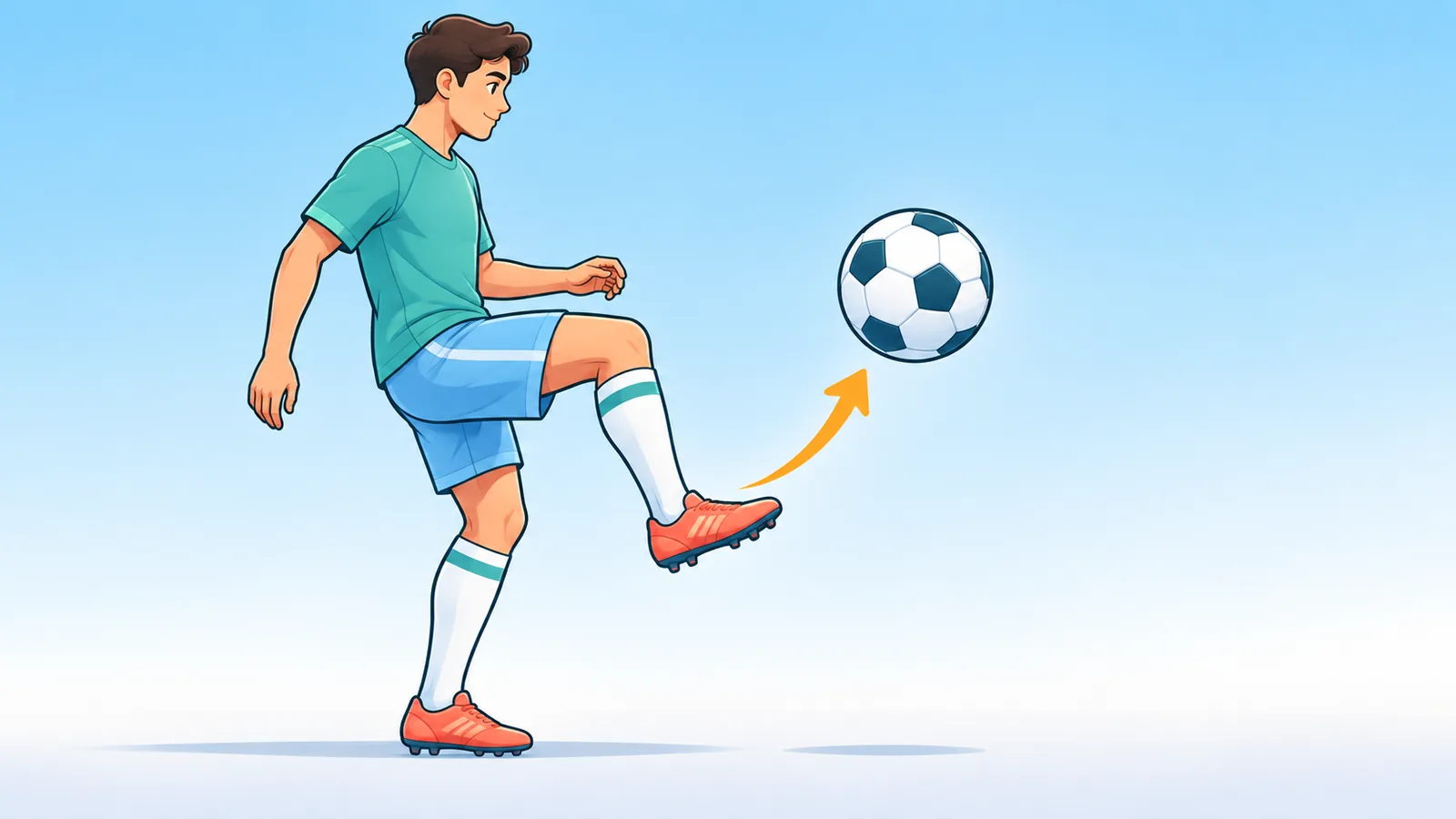
- Use the laces (the top of the foot) and kick softly, rather than hitting the ball hard.
- Lock your ankle and point your toes up so the surface stays steady.
- Strike the lower-middle of the ball as it drops to about knee height.
The laces are the flat area of the top of your foot where the shoelaces sit. A soft, controlled touch with this part of the foot, as Sikana’s video guide explains, gives you far more predictable results than a hard swing. A firm ankle with the toes pointing up, as described in the adidas guide, keeps that surface steady so the ball goes up rather than away.
Step 1: Drop, Kick, and Catch
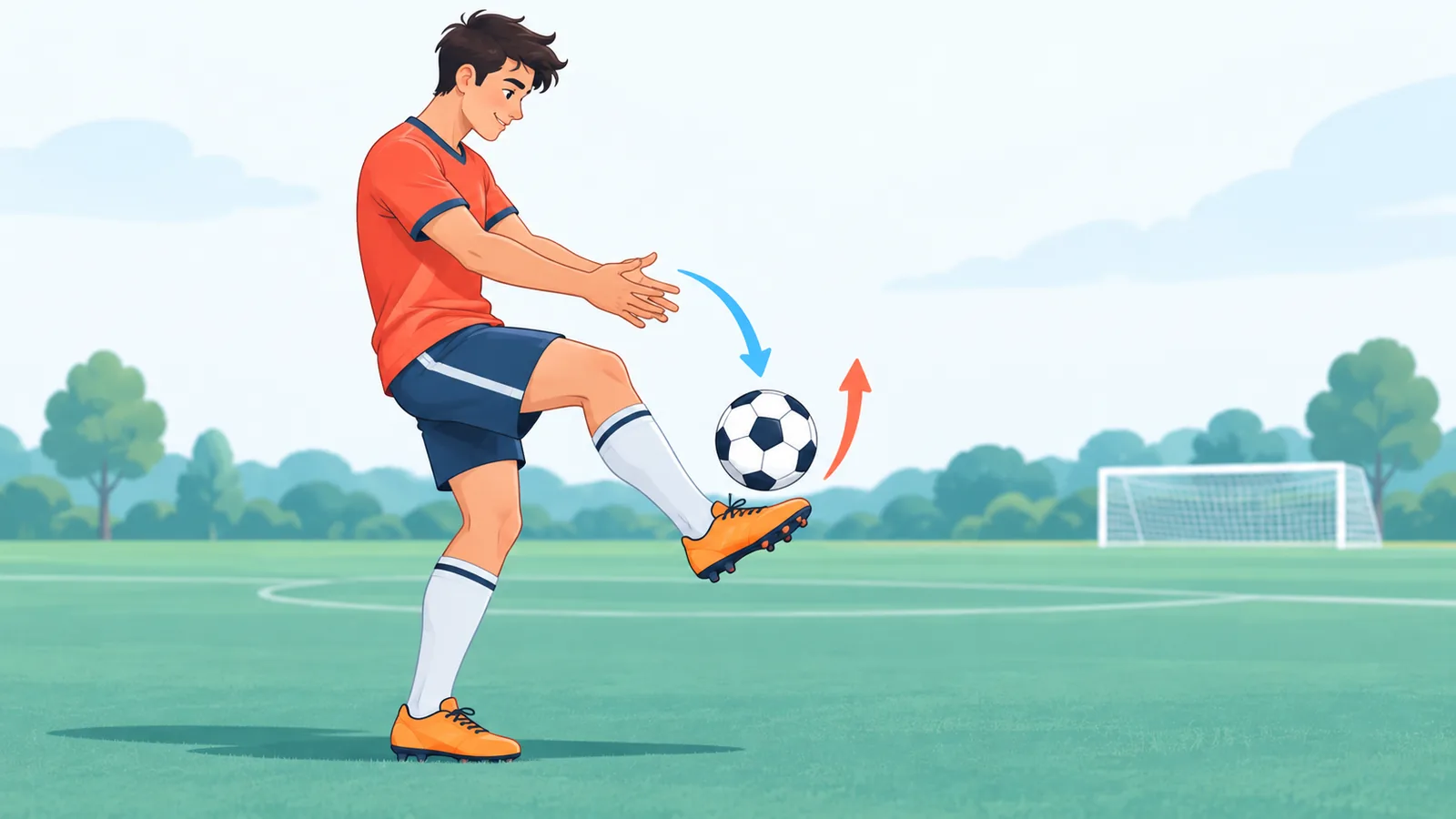
Start with the smallest possible version of juggling. Hold the ball in your hands, drop it, kick it up once with your laces, and catch it with your hands.
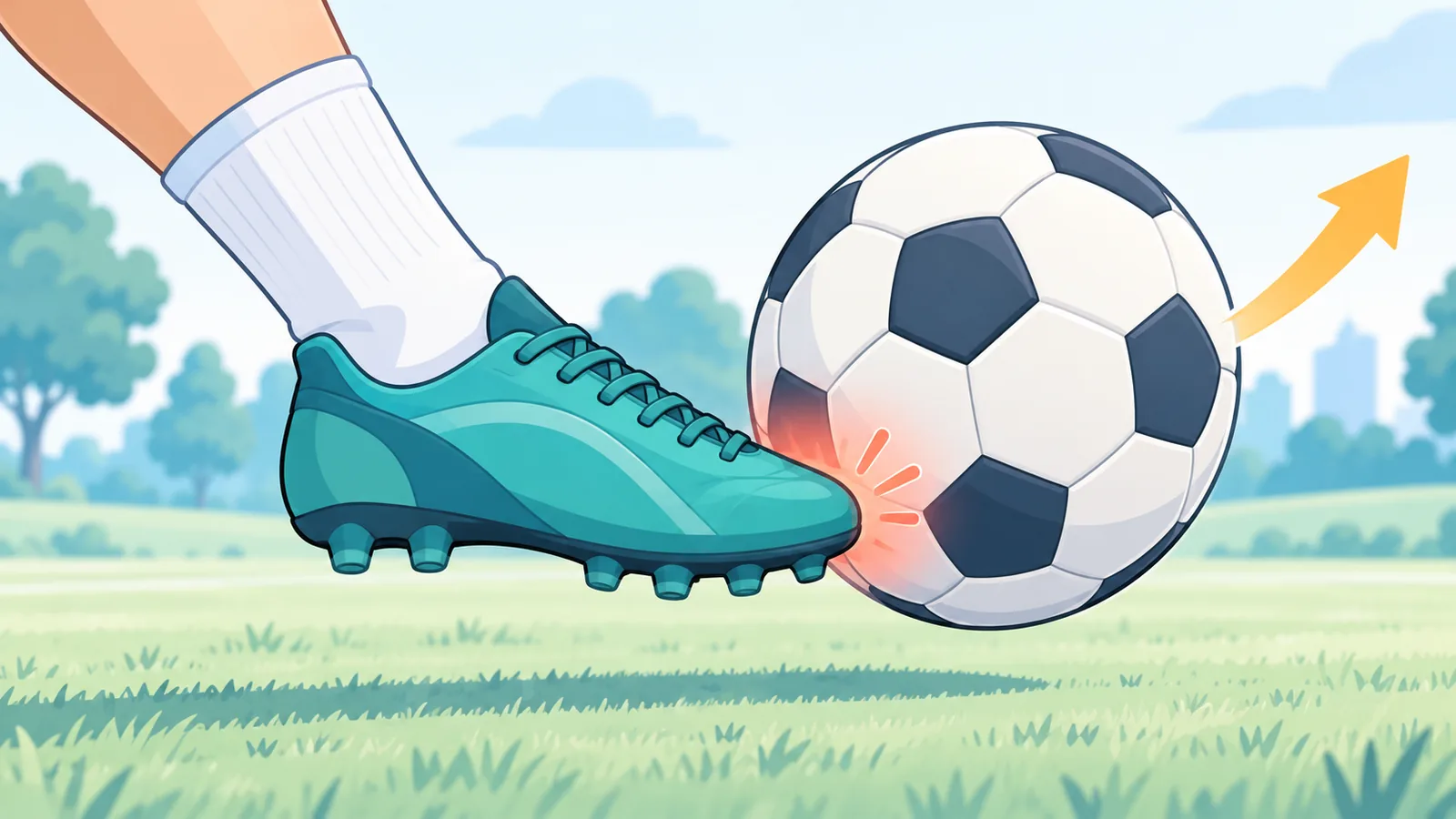
This single-touch drill comes first because it lets you practice the technique cues without the pressure of keeping the ball alive. Both adidas and Sikana begin their beginner progressions this way. If the ball goes straight up and comes back down near you, the contact is working.
- Drop the ball so it falls in front of your kicking foot.
- Lock your ankle, point your toes up, and meet the lower-middle of the ball.
- Kick softly, then catch the ball with both hands.
Step 2: Add More Touches Before You Catch
Once the single kick and catch feels comfortable, extend it. Instead of catching after one touch, kick the ball twice and then catch it. After that, try three, and keep going one touch at a time.
The Soccer Handbook recommends raising the count gradually and warns against jumping from, say, 5 touches to 50. Small increases keep your technique clean, while big leaps tend to produce rushed, sloppy contact and frustration.
Step 3: Switch Feet
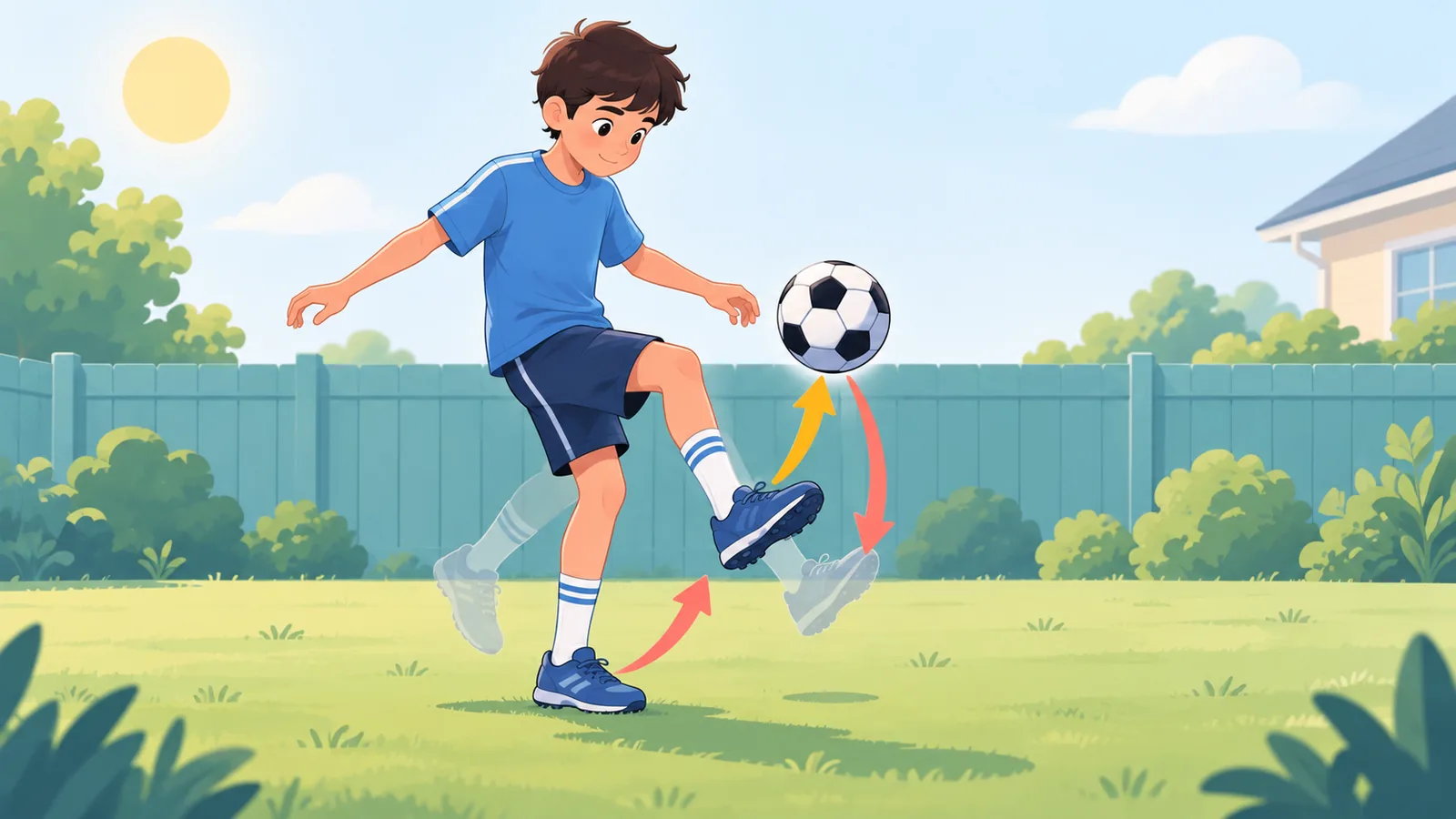
Juggling with only your strongest foot builds a lopsided skill. Sikana advises alternating feet as often as you can, and adidas describes juggling as practice for using both feet.
adidas offers two example benchmarks for moving on: five consecutive single touches with each foot, or ten alternating touches. Treat these as handy checkpoints, not official requirements.
| Stage | What You Do | Sample Benchmark to Move On |
|---|---|---|
| Step 1 | Drop the ball, kick once with the laces, catch it | Clean, soft contact where the ball rises straight up |
| Step 2 | Kick two or more times before catching | Add one touch at a time instead of big jumps |
| Step 3 | Alternate feet between touches | Example: 5 single touches with each foot, or 10 alternating touches |
| Variation | Add a thigh touch or one bounce between touches | Comfortable control before adding more |
Keeping the Ball at the Right Height
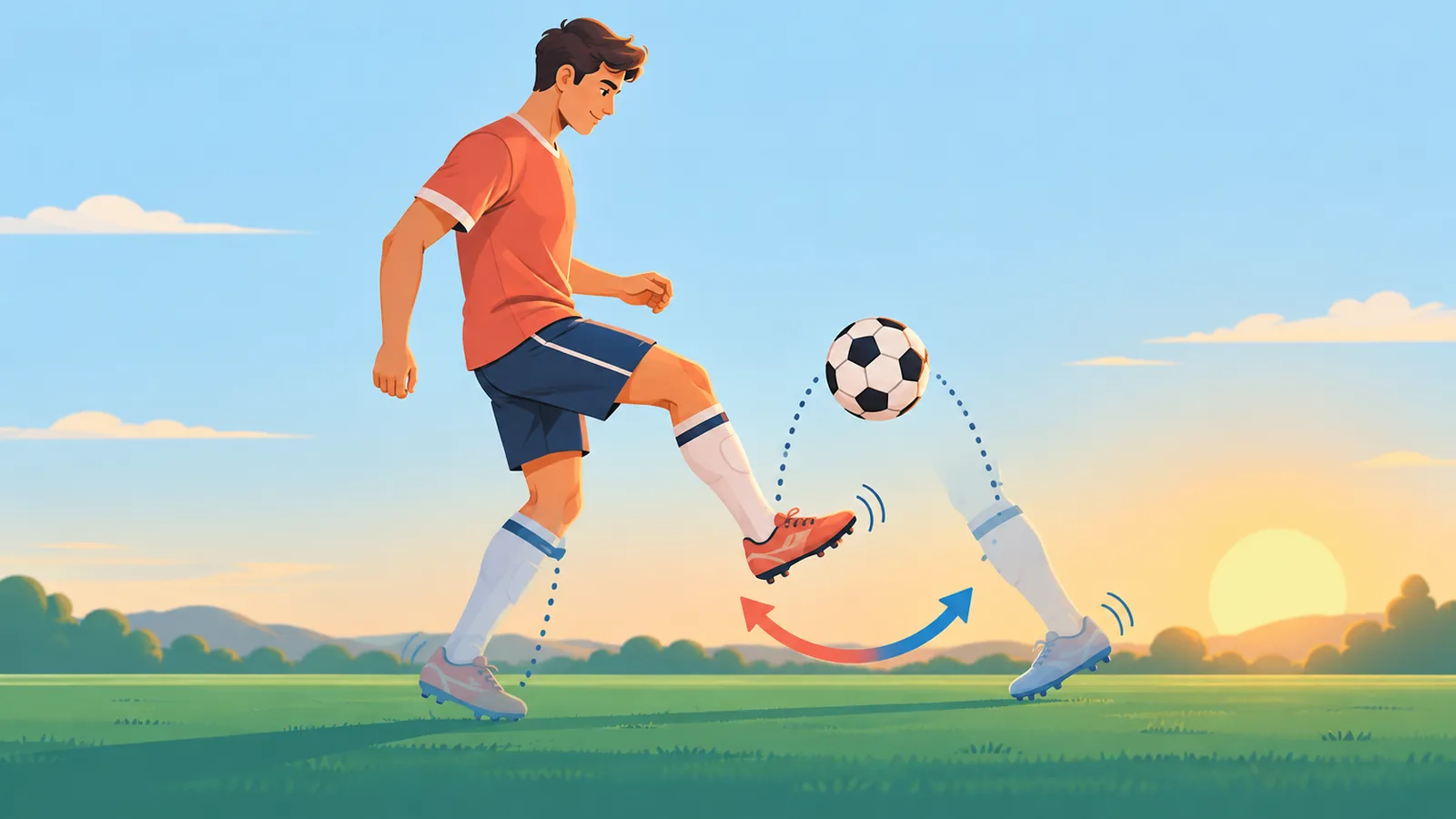
adidas suggests keeping the ball between knee and waist height, because that range gives you time to react and make a controlled touch.
The ball’s height can also hint at how hard you kicked it. These are practical cues rather than sourced rules, so use them as things to check:
🛒 Recommended Product
- If the ball flies well above waist height, the kick may have been too hard.
- If the ball barely rises, the kick may have been too soft.
Common Mistakes and How to Fix Them
When the ball keeps drifting forward or sideways, the cause is often one of the technique cues slipping. These are things to check rather than guaranteed cures, but they are a good place to start.
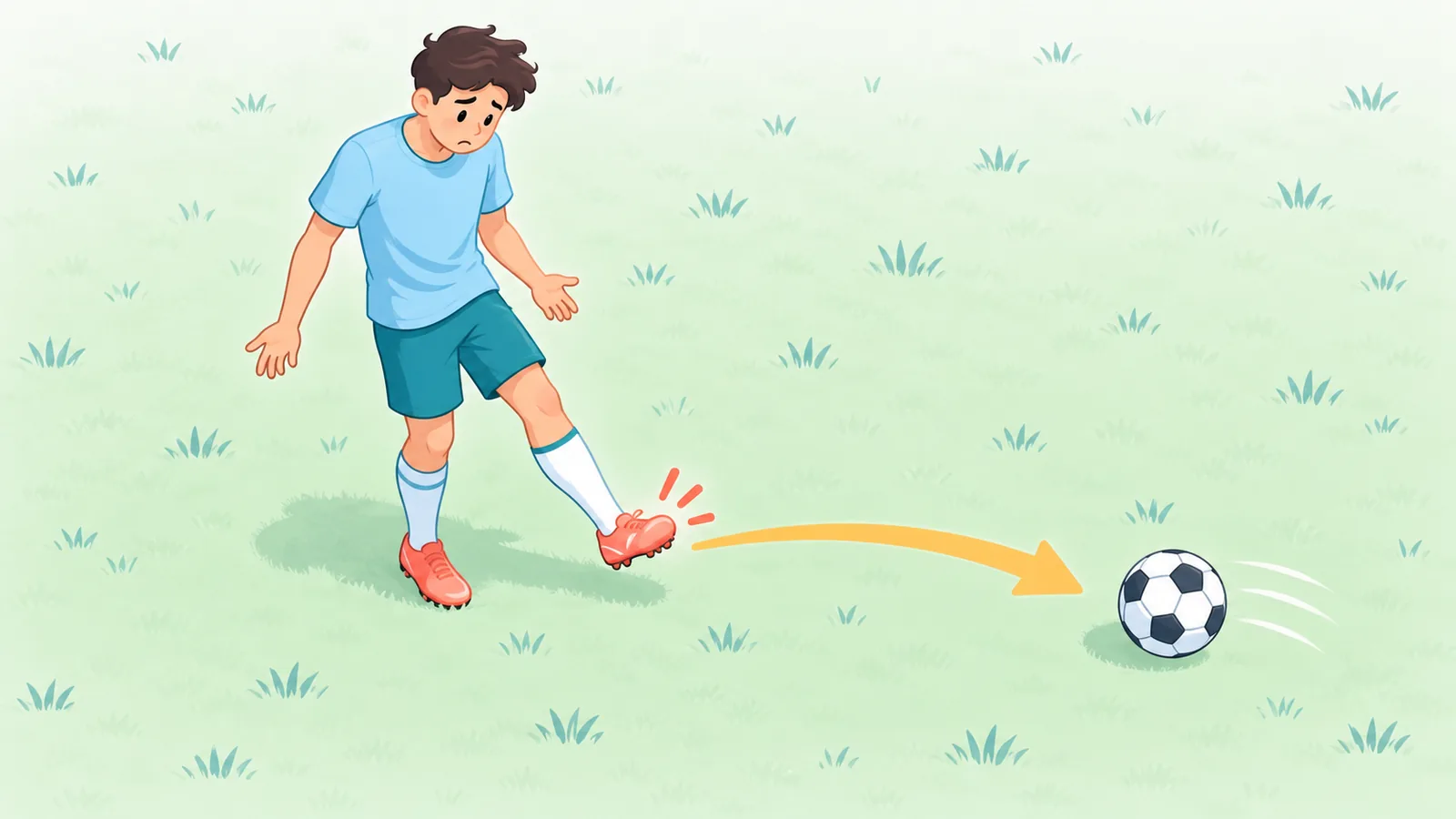
- Ankle not locked: If your foot flops, the ball can leave at an angle. Lock the ankle and point your toes up.
- Contact point off: Aim for the lower-middle of the ball. Hitting too high or to one side can send it away from you.
- Kick too hard: Soft touches with the laces tend to keep the ball closer.
- Ball too high or too low: Try to keep it between knee and waist height.
Quick self-check before each attempt
- Is my ankle locked with my toes pointing up?
- Am I using my laces, not my toes?
- Am I aiming for the lower-middle of the ball?
- Am I kicking softly?
Thigh Touches and Bounce Drills
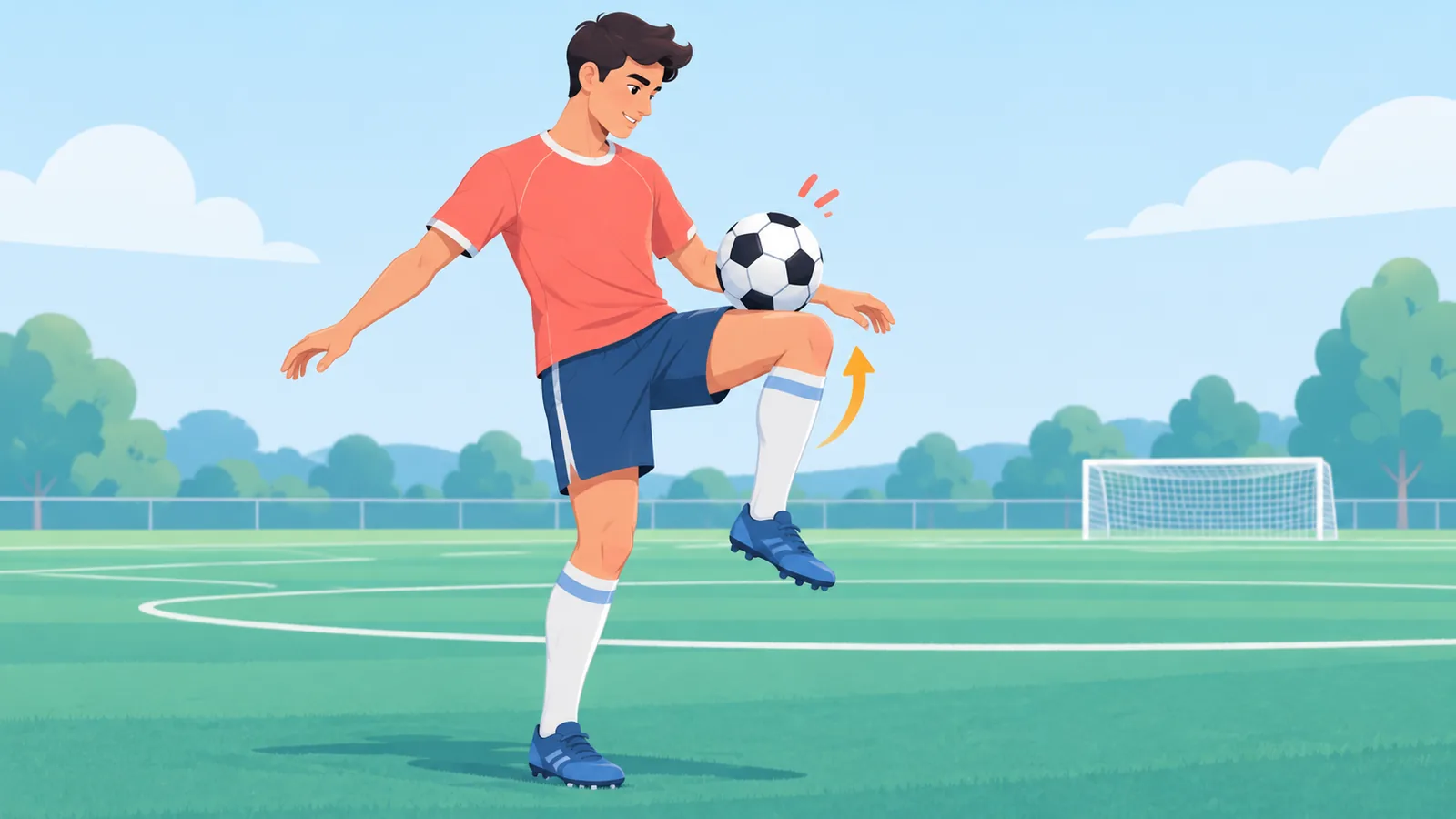
Coaches do not agree on which body part to learn first. The adidas and Sikana guides start with the foot, while Coaching American Soccer teaches thigh touches first and moves to the foot afterward. Both orders are presented as options, so choose the one that feels more manageable.
A bounce drill can also serve as a stepping stone. Sikana includes a drill where you let the ball bounce once on the ground before you kick it, which gives you a little extra time between touches.
What about the head? Juggling can include headers, but nothing here suggests heading is a requirement for beginners. It is optional. Young players should follow age-appropriate heading guidance from their coach or governing body.
Variation Drills to Keep Practice Interesting
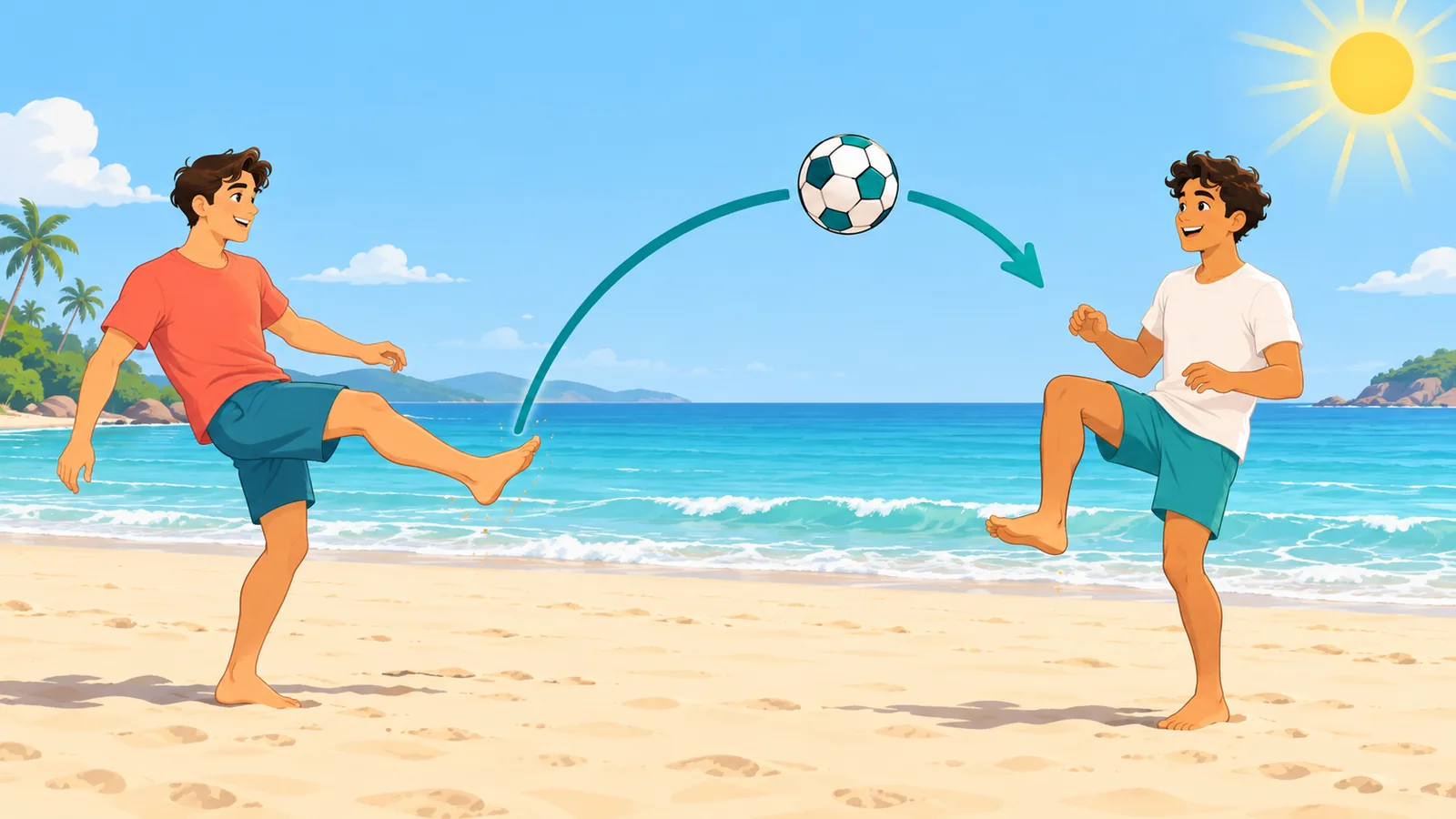
Once the basics feel comfortable, variations can keep practice fresh. The FIFA Training Centre’s juggling session includes a few ideas, such as a foot-only team relay, thigh-only touches, and going out with the right foot and coming back with the left. That material comes from beach soccer team training and is not a standard beginner sequence, so think of these as adapted variations to try after the basics.
- Foot-only juggling, with no thighs allowed.
- Thigh-only touches.
- Right foot on the way out, left foot on the way back, if you are moving as you juggle.

A Simple Practice Session
A good session follows the same order as this guide. Start with the easiest drill and move on only when it feels steady. Since no source supports a specific schedule, this layout has no set minutes or counts.
- Warm up with drop, kick, and catch using your stronger foot.
- Repeat with your other foot.
- Kick twice before you catch, then add touches one at a time.
- Alternate feet between touches.
- Finish with a thigh touch or bounce drill if you feel ready.

Progress checklist
- I can kick once and catch with either foot.
- I can add touches before catching without the ball drifting away.
- I can alternate feet.
- I can keep the ball between knee and waist height most of the time.
Grab a ball, find some open space, and start with a single kick and catch. Add one touch at a time.
Frequently Asked Questions
How long does it take to learn to juggle?
It varies from person to person. None of the sources give a fixed timeline, so a better measure is whether you are meeting the checkpoints, like clean single touches and alternating feet.
Should I learn one foot first or both?
Many beginners start with one foot to get the technique right. Sikana advises switching feet as often as possible, and adidas gives benchmarks for both feet, so bring your weaker foot in early.
Do I need to use my head?
No. Heading is part of the broader definition of juggling, but it is optional for beginners. Young players should follow age-appropriate heading guidance from their coach or governing body.
Why does the ball keep getting away from me?
Run through the self-check: a locked ankle with toes up, laces contact, the lower-middle of the ball, a soft kick, and a ball height between knee and waist. Also check whether you added too many touches too quickly.
References
Want more comparisons and buying guides?