⚠️ This page connects you to Atovia’s partners and affiliate markets. We may receive a commission from affiliate partners for activities made through these links. Discount offers may change at any time according to policy! Rest assured, there are no additional costs to you! We hope this saves you time in finding the right items!
- 1. What Is Organic Gardening? Understanding the Basics
- 2. Building Healthy Soil: The Foundation of Organic Success
- 3. Composting at Home: Turning Waste Into Garden Gold
- 4. Choosing Organic Seeds and Plants
- 5. Natural Pest and Weed Control Without Chemicals
- 6. Watering, Mulching, and Seasonal Care
- 7. Harvesting and Using Your Organic Produce in the Kitchen
Whether you have a sprawling backyard or a small balcony with a few pots, organic gardening offers a rewarding path to growing your own food — naturally, sustainably, and in harmony with the environment. The Organic Gardener is your complete companion for every step of that journey, from understanding the philosophy behind chemical-free growing to bringing fresh, homegrown ingredients straight to your kitchen table.
- Organic gardening avoids all synthetic chemicals, relying instead on natural inputs to feed plants and manage pests.
- Healthy soil is the single most important factor in a thriving organic garden.
- Composting transforms kitchen and yard waste into a powerful, free soil amendment.
- Choosing certified organic seeds and heirloom varieties supports biodiversity and plant resilience.
- Natural pest control methods — including companion planting and beneficial insects — are effective and eco-friendly.
- Proper watering and mulching reduce disease, conserve water, and suppress weeds.
- Homegrown organic produce is fresher, more nutritious, and more flavorful than store-bought alternatives.
1. What Is Organic Gardening? Understanding the Basics
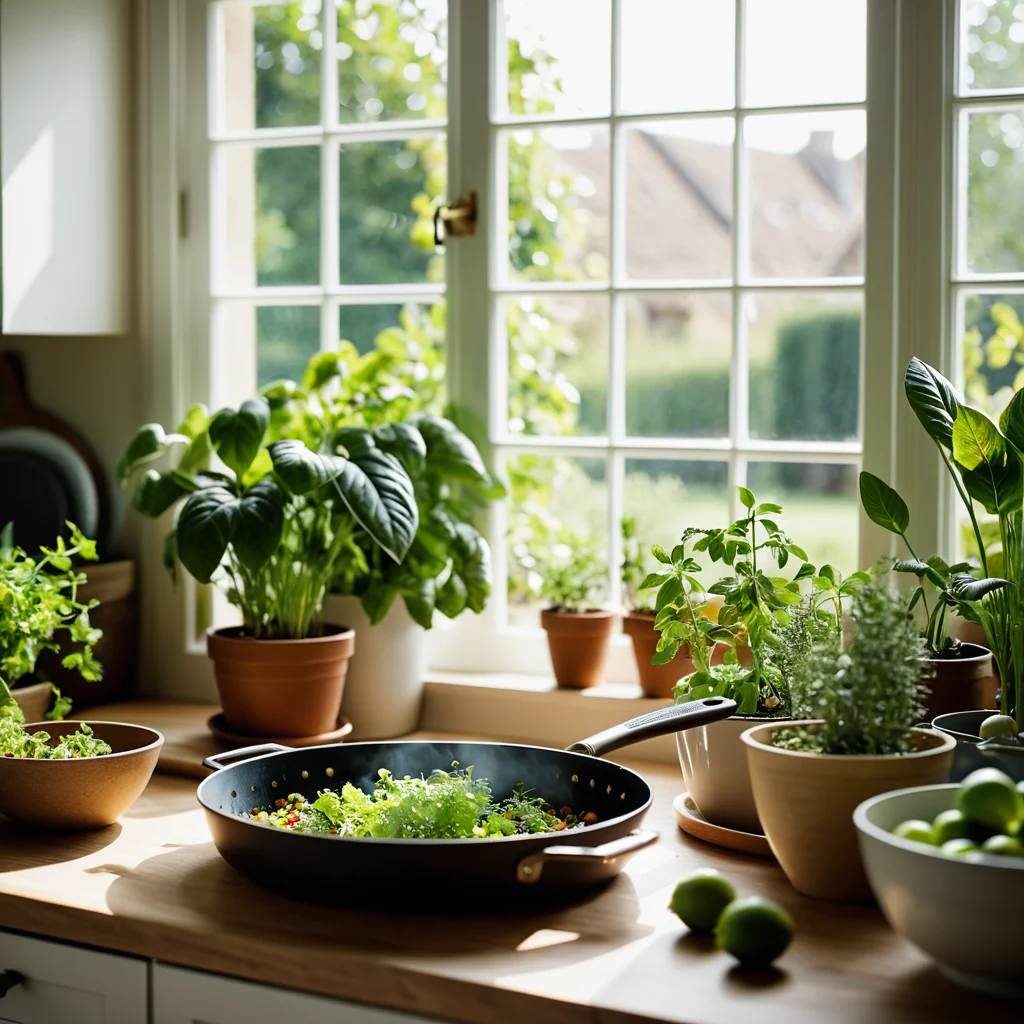
Organic gardening is the practice of cultivating plants using only natural methods and materials — no synthetic fertilizers, no chemical pesticides, and no genetically engineered seeds. At its heart, it is about working with nature rather than against it, building systems that support plant health from the ground up.
The principles of organic gardening are rooted in ecological balance. Rather than forcing plants to grow with artificial inputs, organic gardeners focus on creating an environment where plants naturally thrive. This means feeding the soil, encouraging beneficial organisms, and choosing plants suited to the local climate and conditions.
Organic gardening also has a strong ethical dimension. By avoiding harmful chemicals, gardeners protect local water supplies, support pollinator populations, and reduce their carbon footprint. Growing food organically at home is one of the most direct and meaningful ways an individual can contribute to a healthier planet.
The USDA defines organic agriculture as a system that relies on ecological processes, biodiversity, and cycles adapted to local conditions, rather than the use of synthetic inputs. While home gardeners are not required to be certified, following these same principles ensures your garden is genuinely organic in practice.
2. Building Healthy Soil: The Foundation of Organic Success

If there is one lesson every organic gardener must internalize, it is this: feed the soil, not the plant. Healthy soil is alive — teeming with bacteria, fungi, earthworms, and countless microorganisms that break down organic matter, release nutrients, and create the ideal growing environment for plant roots.
The first step to building great soil is understanding what you are working with. A basic soil test, available through most garden centers or cooperative extension services, will tell you your soil’s pH level and nutrient profile. Most vegetables prefer a slightly acidic to neutral pH, between 6.0 and 7.0. Adjusting pH organically can be done with lime (to raise pH) or sulfur (to lower it).
Soil texture matters just as much as chemistry. Sandy soils drain too quickly and struggle to retain nutrients, while clay soils compact easily and may waterlog roots. The ideal soil is loamy — a balanced mix of sand, silt, and clay — with plenty of organic matter to improve structure, drainage, and moisture retention simultaneously.
Adding organic matter is the single most effective way to improve almost any soil type. Compost, aged manure, leaf mold, and cover crops all enrich the soil with nutrients while improving its physical structure. Over time, regular additions of organic matter build what gardeners call “living soil” — dark, crumbly, and rich with biological activity.
| Soil Type | Characteristics | Organic Fix |
|---|---|---|
| Sandy Soil | Drains fast, low nutrients, loose texture | Add compost and aged manure to improve retention |
| Clay Soil | Compacts easily, drains poorly, nutrient-rich | Mix in compost and grit to improve drainage |
| Loamy Soil | Well-draining, nutrient-rich, ideal texture | Maintain with annual compost top-dressing |
| Silty Soil | Fertile but prone to compaction and runoff | Add organic matter and avoid heavy foot traffic |
3. Composting at Home: Turning Waste Into Garden Gold
Compost is the cornerstone of organic gardening. It is a rich, dark, earthy material produced when organic waste — vegetable scraps, coffee grounds, grass clippings, fallen leaves — is broken down by microorganisms over time. The result is a nutrient-dense soil amendment that improves texture, feeds plants, and suppresses disease, all for free.
Starting a compost pile is simple. Choose a spot in your yard with good drainage and partial shade. You can use a simple open pile, a DIY bin made from pallets, or a purchased tumbler composter. The key is maintaining the right balance of materials: roughly two parts “browns” (carbon-rich materials like dried leaves, cardboard, and straw) to one part “greens” (nitrogen-rich materials like food scraps, fresh grass, and plant trimmings).
Moisture and aeration are equally critical. Your compost pile should feel about as damp as a wrung-out sponge. Turn it every one to two weeks to introduce oxygen, which accelerates decomposition and prevents unpleasant odors. In warm weather with regular turning, compost can be ready in as little as six to eight weeks.
What you should not compost is just as important as what you do. Avoid meat, dairy, oily foods, diseased plants, and pet waste, as these can attract pests or introduce pathogens. Stick to plant-based kitchen scraps and garden waste for a clean, productive pile.
Finished compost can be dug into garden beds before planting, used as a top dressing around established plants, or brewed into “compost tea” — a liquid fertilizer made by steeping compost in water — for a quick nutrient boost.
🛒 Recommended Product
4. Choosing Organic Seeds and Plants
The seeds you plant are the foundation of your harvest, so choosing wisely matters. Organic seeds are produced from plants grown without synthetic chemicals and are not treated with fungicides or other coatings. Heirloom and open-pollinated varieties are especially valued in organic gardening because their seeds can be saved and replanted year after year, preserving genetic diversity.
When shopping for seeds, look for suppliers certified by the Organic Materials Review Institute (OMRI) or those carrying the USDA Organic seal. Many small, regional seed companies specialize in heirloom and regionally adapted varieties that perform exceptionally well without chemical support.
Hybrid seeds (labeled F1) are not inherently non-organic, but their seeds cannot be reliably saved because offspring will not breed true. For a self-sustaining organic garden, open-pollinated and heirloom varieties offer more long-term value and genetic resilience.
If starting from transplants rather than seeds, choose certified organic starts from a reputable nursery, or grow your own indoors under grow lights. Avoid plants treated with systemic pesticides — a growing concern with nursery-bought flowers and vegetables — which can persist in plant tissue even after planting.
5. Natural Pest and Weed Control Without Chemicals
One of the most common concerns new organic gardeners have is pest and weed management. Without synthetic sprays and herbicides, how do you protect your plants? The answer lies in a layered, proactive approach that builds resilience rather than simply reacting to problems.
Companion planting is one of the oldest and most effective organic pest strategies. By growing certain plants together, you can repel pests, attract beneficial insects, and improve overall garden health. Classic pairings include basil with tomatoes (repels aphids and thrips), marigolds around vegetable beds (deter nematodes and whiteflies), and nasturtiums as a trap crop for aphids.
Encouraging beneficial insects is equally powerful. Ladybugs, lacewings, parasitic wasps, and ground beetles are all natural predators of common garden pests. You can attract them by planting a diversity of flowering herbs and native plants — dill, fennel, yarrow, and clover are particularly effective — and by minimizing soil disturbance to protect ground-dwelling predators.
For persistent pests, several approved organic interventions are available. Neem oil (derived from the neem tree) is a broad-spectrum organic insecticide and fungicide. Insecticidal soap controls soft-bodied insects like aphids and mites on contact. Diatomaceous earth, sprinkled around plant bases, deters slugs and crawling insects without harming soil life.
Weed management in an organic garden centers on prevention and smothering rather than killing. A thick layer of mulch — wood chips, straw, or shredded leaves — blocks light to weed seeds and dramatically reduces germination. Dense planting leaves little room for weeds to establish. Hand weeding, done consistently while weeds are small, keeps populations manageable without any inputs at all.
6. Watering, Mulching, and Seasonal Care
Consistent, appropriate watering is critical to plant health and disease prevention. Most vegetable crops prefer deep, infrequent watering — enough to soak the root zone — over frequent shallow sprinkles that encourage surface roots and disease. The general guideline is one inch of water per week, adjusting for heat, rainfall, and soil type.
Drip irrigation and soaker hoses are ideal for organic gardens because they deliver water directly to the root zone, keeping foliage dry and reducing the risk of fungal diseases. Overhead watering in the morning gives foliage time to dry before nightfall, which also helps prevent mildew and blight.
Mulch is one of the organic gardener’s most valuable tools. Applied two to three inches deep around plants, it conserves soil moisture by reducing evaporation, regulates soil temperature, suppresses weeds, and gradually breaks down to feed the soil. Organic mulches — straw, wood chips, shredded leaves, or grass clippings — are preferable to landscape fabric or plastic, which prevent beneficial organisms from moving freely through the soil.
Seasonal care rhythms vary by climate, but some practices apply universally. In spring, prepare beds by adding compost and allow the soil to warm before planting tender crops. In summer, monitor for pests and water stress consistently. In fall, clear spent plants promptly (composting healthy material, discarding diseased), plant cover crops to protect and enrich bare soil over winter, and mulch perennial beds for frost protection. In winter, plan next year’s garden, order seeds, and tend your compost pile.

7. Harvesting and Using Your Organic Produce in the Kitchen
The ultimate reward of organic gardening is harvesting and eating food you grew yourself — food that is fresher, more nutritious, and more flavorful than almost anything available at a grocery store. Because homegrown produce is harvested at peak ripeness and consumed within hours or days, it retains far more vitamins, minerals, and phytonutrients than produce that has traveled hundreds of miles in cold storage.
Harvest most vegetables in the morning, after the dew has dried but before the heat of the day. At this time, plants are fully hydrated and their sugars are concentrated, resulting in the best flavor. Use clean, sharp tools to make clean cuts that minimize plant stress and reduce the risk of disease entering through ragged wounds.
Understanding when to harvest each crop is a skill that develops over time. Tomatoes should be picked when fully colored and slightly soft to the touch. Zucchini is best harvested small, before seeds develop and skin toughens. Leafy greens can be harvested with the cut-and-come-again method, taking outer leaves while the plant continues producing. Herbs are most flavorful just before they flower.
In the kitchen, organic produce shines brightest when prepared simply. A summer salad of heirloom tomatoes and fresh basil needs little more than good olive oil and salt. Roasted root vegetables develop extraordinary depth of flavor with just herbs and heat. Freshly harvested garlic, dried and braided, perfumes the kitchen for months. The organic garden does not just feed the body — it transforms the way you cook, shop, and think about food.
Preserving the abundance of peak season extends your harvest through the year. Canning, freezing, fermenting, and dehydrating are all excellent ways to capture summer tomatoes, autumn apples, or a bumper crop of green beans for enjoyment through winter. Many organic gardeners find that preserving becomes as meaningful and satisfying a practice as the growing itself.
Ready to start your own organic garden? Download our free seasonal planting guide and get step-by-step advice for every stage of the growing year.