⚠️ This page connects you to Atovia’s partners and affiliate markets. We may receive a commission from affiliate partners for activities made through these links. Discount offers may change at any time according to policy! Rest assured, there are no additional costs to you! We hope this saves you time in finding the right items!
- 1. Why Homemade Pizza Dough Beats Store-Bought
- 2. Essential Ingredients for the Perfect Dough
- 3. Step-by-Step Kneading Techniques
- 4. Quick-Rise vs Cold-Fermentation: Which Method Wins
- 5. Proofing Tips for a Crispy Yet Chewy Crust
- 6. Common Mistakes to Avoid
- 7. Storing and Freezing Your Dough
- 8. Final Tips for Pizza Night Success
- Use high-protein flour and properly hydrated dough for the best chew and structure.
- Kneading develops gluten, which gives pizza dough its stretch and elasticity.
- Cold fermentation produces deeper flavor, while quick-rise saves time on busy nights.
1. Why Homemade Pizza Dough Beats Store-Bought
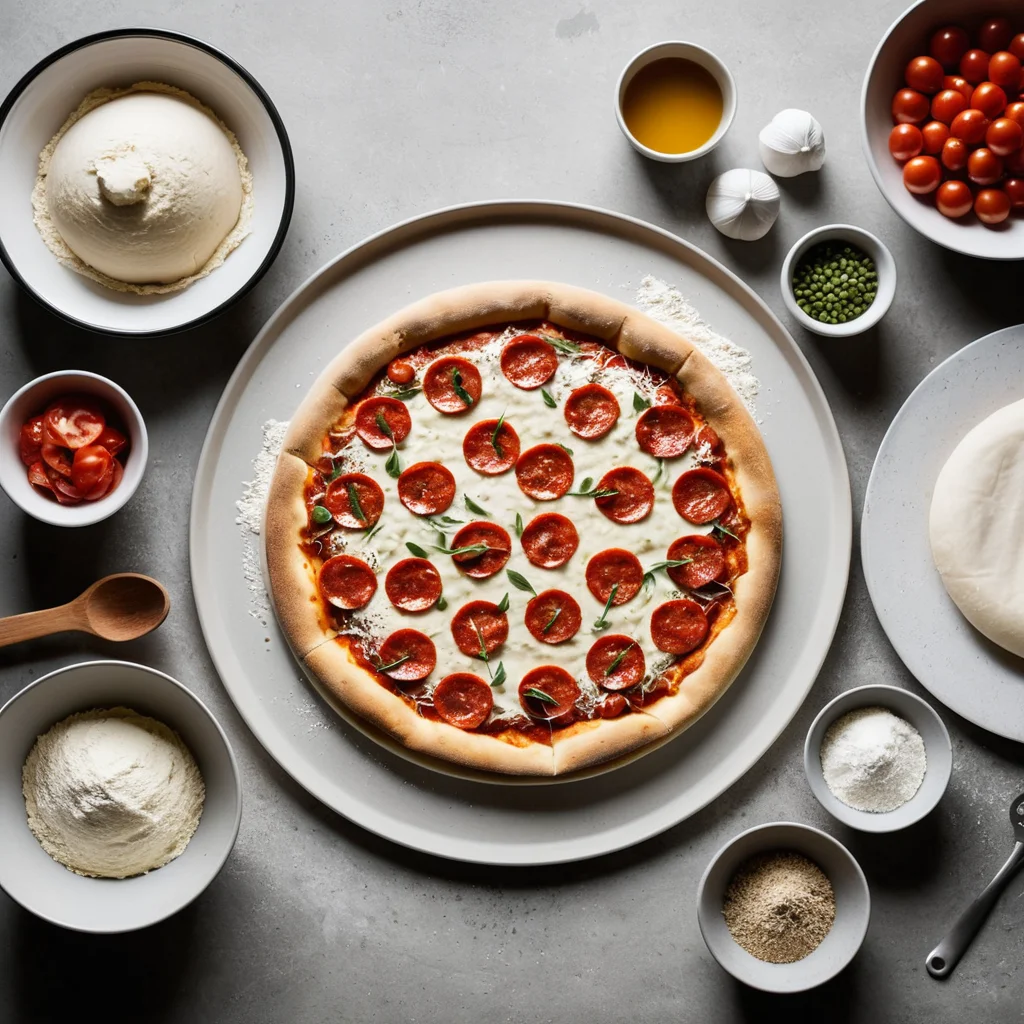
Store-bought dough is convenient, but it rarely matches the flavor and texture of dough made at home. Homemade dough lets you control hydration, fermentation time, and flour type, resulting in a crust that is crispier on the outside and chewier inside. It also allows you to adjust salt and yeast levels to suit your taste, something pre-packaged options simply can’t offer.
2. Essential Ingredients for the Perfect Dough

Great pizza dough starts with just a few simple ingredients: flour, water, yeast, salt, and a touch of olive oil. High-protein bread flour or “00” flour is ideal because it builds the gluten network needed for a stretchy, chewy texture. Filtered water at room temperature helps activate yeast evenly, and a small amount of sugar can give the yeast an extra boost during fermentation.
| Ingredient | All-Purpose Flour | Bread/00 Flour |
|---|---|---|
| Protein Content | Lower (10-11%) | Higher (12-14%) |
| Crust Texture | Softer, less chew | Chewy, elastic |
3. Step-by-Step Kneading Techniques


Kneading is what transforms a sticky mixture into smooth, elastic dough. Start by combining your ingredients until they form a rough ball, then knead on a lightly floured surface for about 8 to 10 minutes. Use the heel of your hand to push the dough forward, fold it back over itself, and rotate. The dough is ready when it springs back slightly after being poked and feels smooth rather than tacky.
🛒 Recommended Product
4. Quick-Rise vs Cold-Fermentation: Which Method Wins
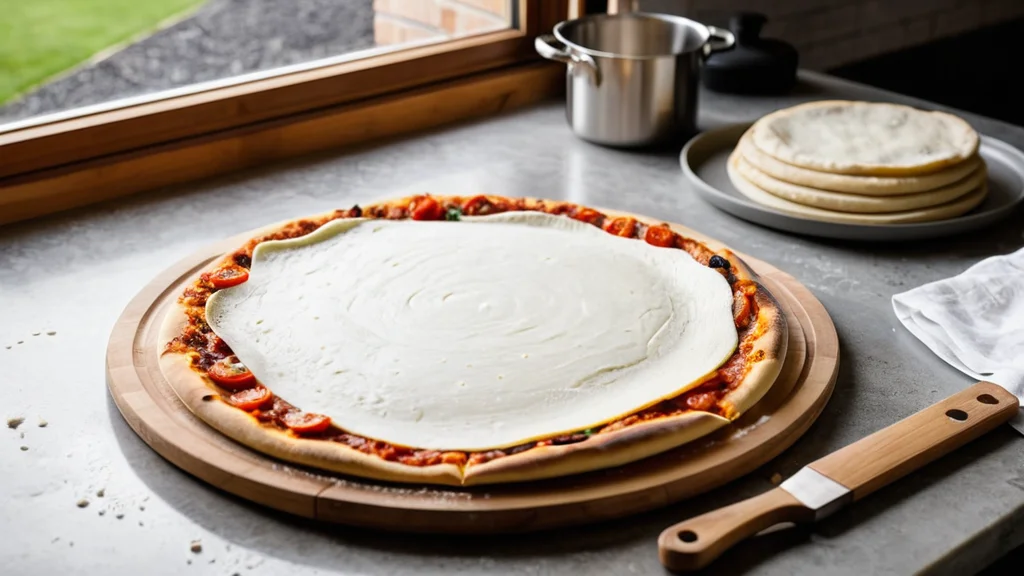
Quick-rise dough uses warm water and a higher yeast quantity to proof in just an hour or two, making it perfect for last-minute pizza nights. Cold fermentation, on the other hand, involves letting the dough rest in the refrigerator for 24 to 72 hours, allowing flavors to develop slowly and giving the crust a more complex, slightly tangy taste. If you have the time, cold fermentation generally produces a superior result.
5. Proofing Tips for a Crispy Yet Chewy Crust
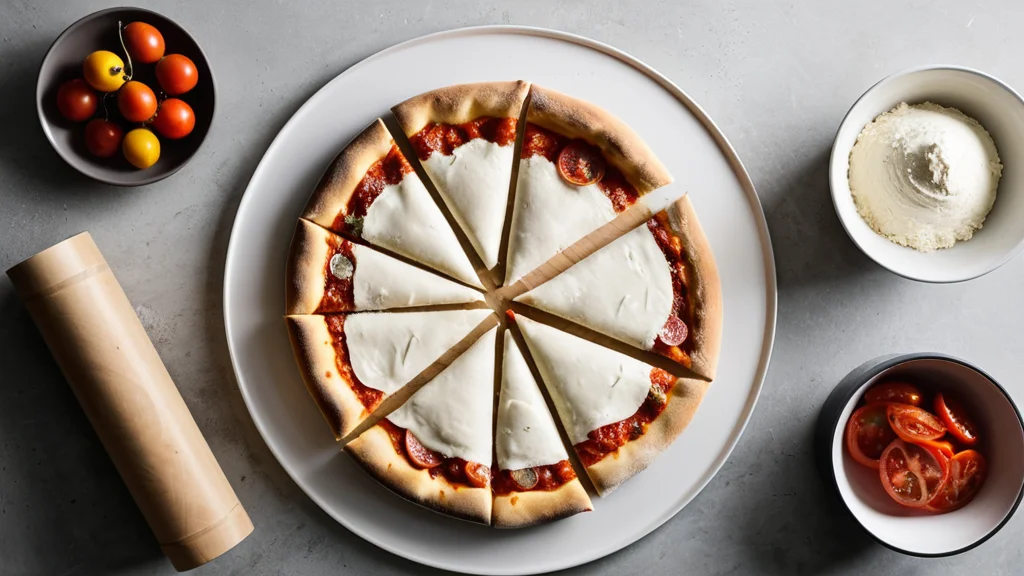
Proper proofing is the secret to balancing a crispy exterior with a soft, chewy interior. Let the dough rise in a warm, draft-free spot until it doubles in size, then perform a gentle stretch test to check gluten development. For the best crust structure, shape the dough gently to avoid deflating the air pockets that form during proofing.
6. Common Mistakes to Avoid
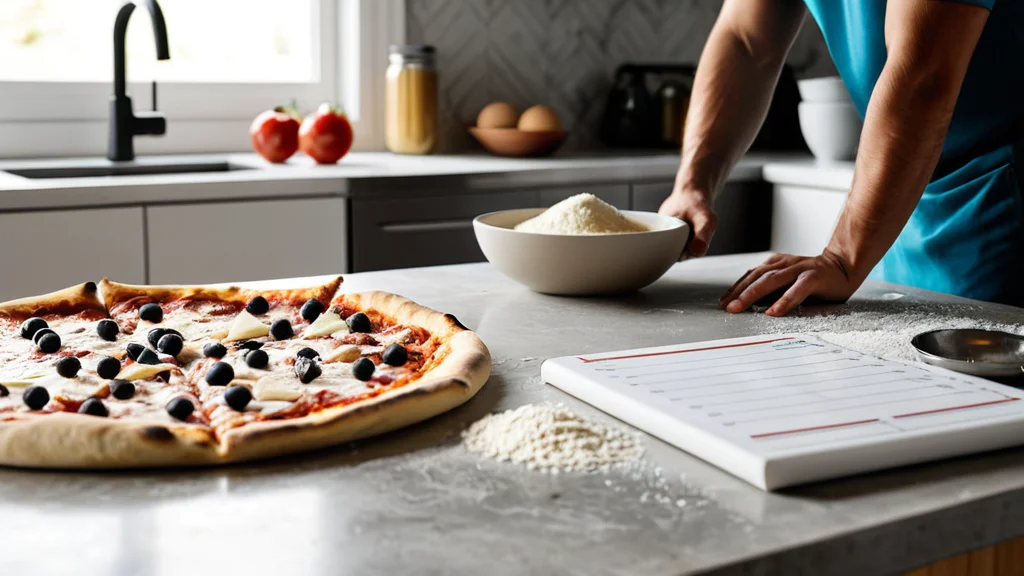
Many home cooks add too much flour while kneading, which results in a dense, tough crust. Others rush the proofing stage, skipping the flavor development that comes with time. Overworking the dough or stretching it too thin in the center are also common pitfalls that can lead to uneven baking.
7. Storing and Freezing Your Dough
Pizza dough can be stored in the refrigerator for up to three days in an airtight, lightly oiled container. For longer storage, portion the dough into individual balls and freeze them for up to three months. Thaw frozen dough overnight in the refrigerator before bringing it to room temperature for shaping.
8. Final Tips for Pizza Night Success
Preheat your oven and baking surface thoroughly before baking to achieve a crispy bottom crust. Letting shaped dough rest for a few minutes before topping it helps prevent shrinkage. With practice, you’ll develop a feel for the right texture and timing that suits your kitchen and schedule.