⚠️ This page connects you to Atovia’s partners and affiliate markets. We may receive a commission from affiliate partners for activities made through these links. Discount offers may change at any time according to policy! Rest assured, there are no additional costs to you! We hope this saves you time in finding the right items!
Growing a garden is a rewarding journey that combines the right seeds, soil preparation, watering schedules, and seasonal timing into a simple, repeatable process anyone can follow. Whether you are starting with vegetables, herbs, or flowers, this guide walks you through every step from planning your plot to harvesting your first crop.
- Choose a garden location that receives at least 6 to 8 hours of direct sunlight per day.
- Healthy, well-draining soil enriched with compost is the single most important ingredient for success.
- Start small — a 4×4 or 4×8 raised bed is ideal for beginners.
- Water consistently but avoid overwatering, which is the most common beginner mistake.
- Match your plant choices to your local climate and growing season.
1. Planning Your Garden
Before you plant a single seed, spend time planning. A well-planned garden saves time, money, and frustration.
Decide what to grow. Think about what your household actually eats. Tomatoes, lettuce, zucchini, basil, and green beans are excellent beginner crops because they grow quickly and produce abundantly.
Pick the right location. Most vegetables need full sun, meaning 6 to 8 hours of direct sunlight daily. Observe your yard at different times of day before committing to a spot.
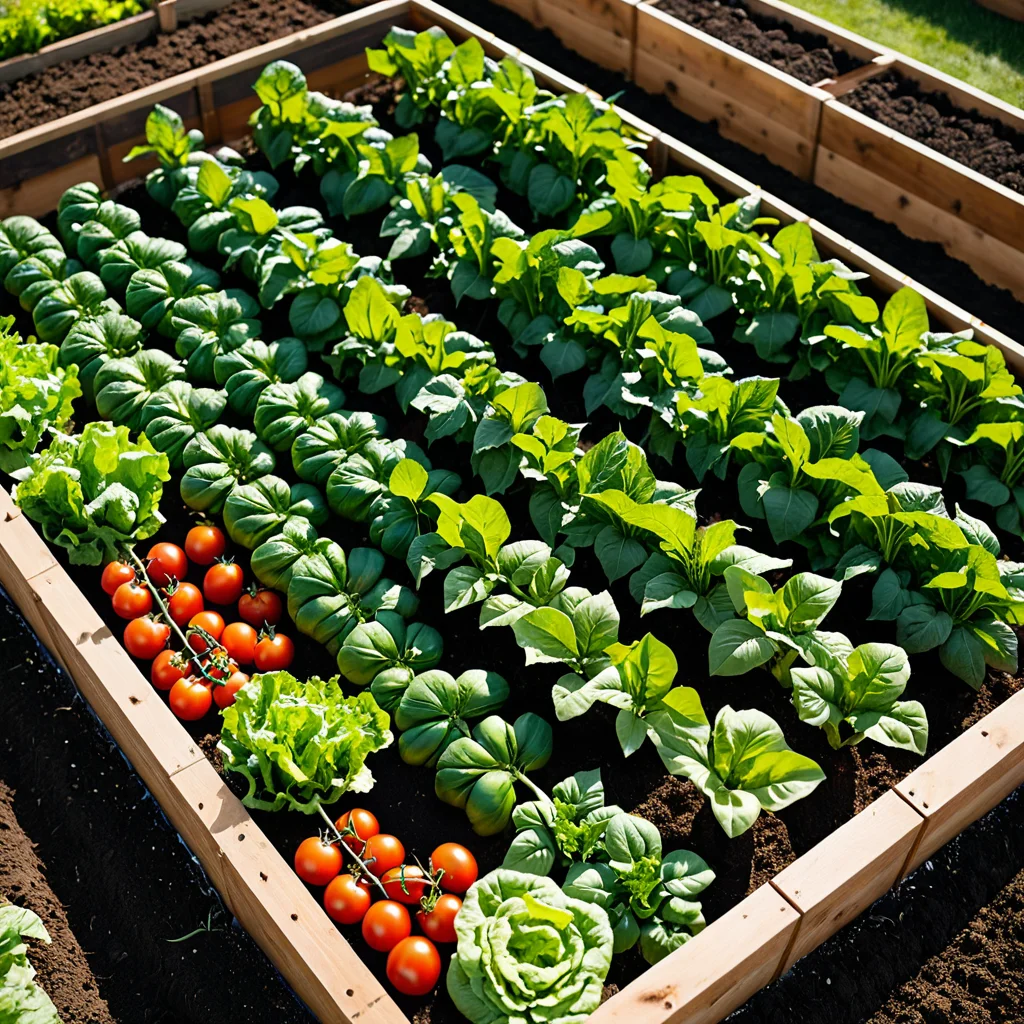
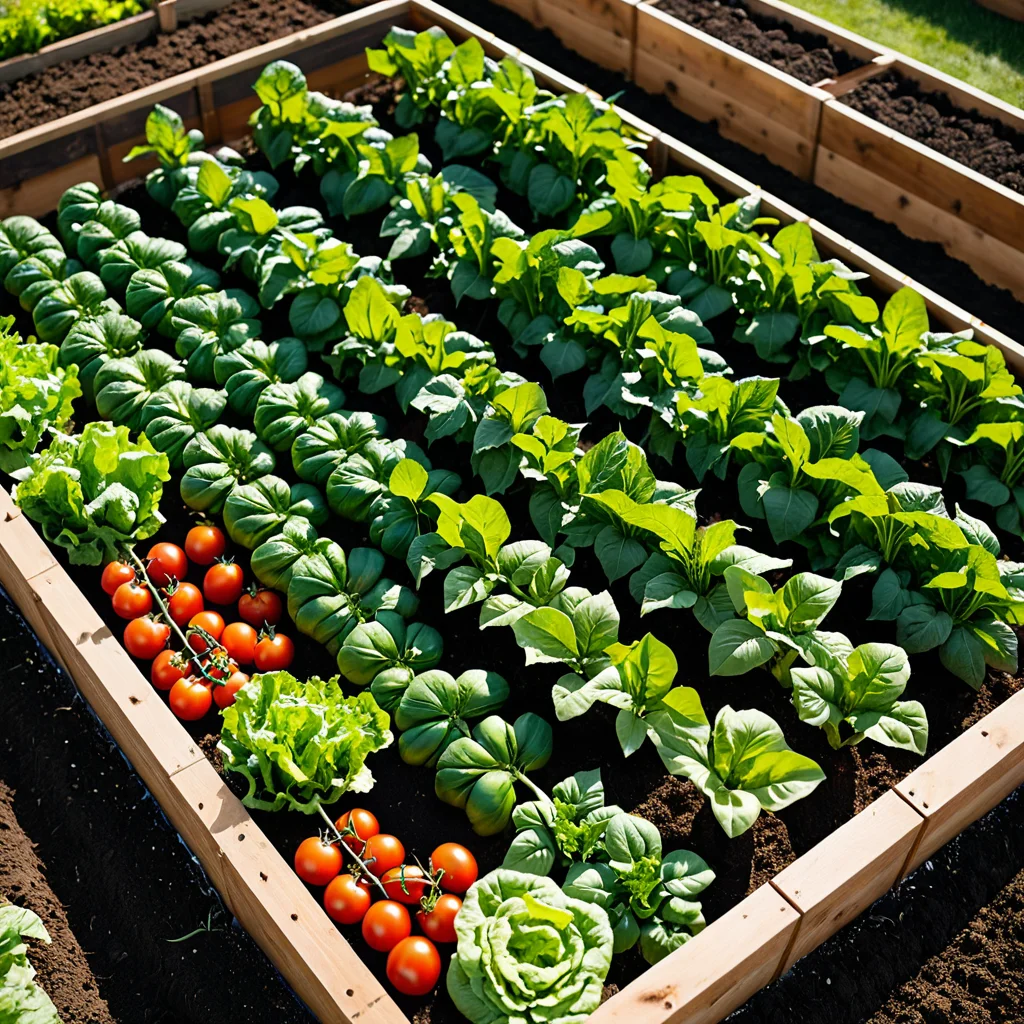

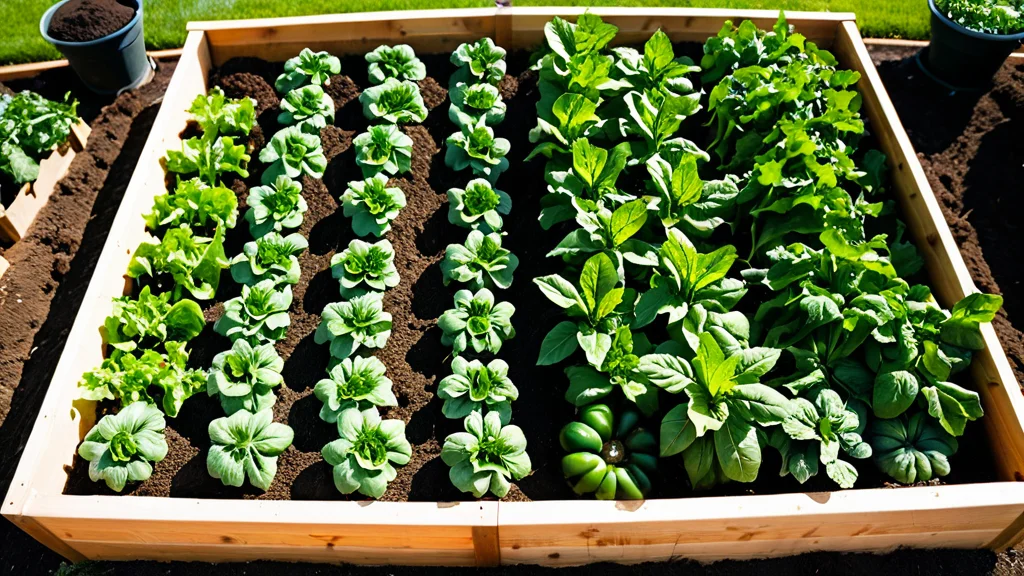
Choose your garden style. You can grow in the ground, in raised beds, or in containers. Raised beds are highly recommended for beginners because they give you full control over soil quality and drainage.
Map your space. Sketch a simple layout showing which plants go where. Taller plants like corn or tomatoes should go on the north side so they do not shade shorter crops.
2. Preparing the Soil
Soil is the foundation of your garden. Poor soil leads to weak plants no matter how well you water or fertilize.
Test your soil. A basic soil test kit tells you your soil’s pH and nutrient levels. Most vegetables thrive in a pH of 6.0 to 7.0.

Amend your soil. Mix in 2 to 4 inches of compost to improve both drainage and nutrient content. If you are gardening in heavy clay or sandy soil, compost is non-negotiable.
Till or loosen the ground. Use a garden fork or tiller to loosen soil to at least 12 inches deep. This allows roots to penetrate easily and improves water absorption.
For raised beds, fill with a mix of 60% topsoil, 30% compost, and 10% perlite or coarse sand for excellent drainage and fertility.
3. Choosing the Right Seeds or Seedlings
The plants you choose should match your climate, season, and experience level.
Seeds vs. transplants. Seeds are cheaper and offer more variety, but they require more time and care. Transplants give you a head start and are easier for beginners. Start with transplants for tomatoes, peppers, and eggplant, and use seeds for beans, carrots, and radishes.
Know your growing zone. The USDA Plant Hardiness Zone Map tells you which plants thrive in your region. Check your zone before buying anything.
Read seed packets carefully. Every packet tells you the days to maturity, spacing requirements, and ideal planting depth. This information is your recipe card — follow it.
Heirloom vs. hybrid. Heirloom varieties offer rich flavor and seed-saving potential. Hybrid varieties are often more disease-resistant and productive. Both work well in a home garden.
🛒 Recommended Product
4. Planting Step by Step
Now comes the part everyone looks forward to — getting plants in the ground.
Time your planting correctly. Know your last frost date. Cool-season crops like lettuce, spinach, and peas go in 4 to 6 weeks before the last frost. Warm-season crops like tomatoes and peppers go in after the last frost date has passed.
Follow spacing guidelines. Crowded plants compete for nutrients, water, and light. Give each plant the room it needs as listed on the seed packet or plant tag.
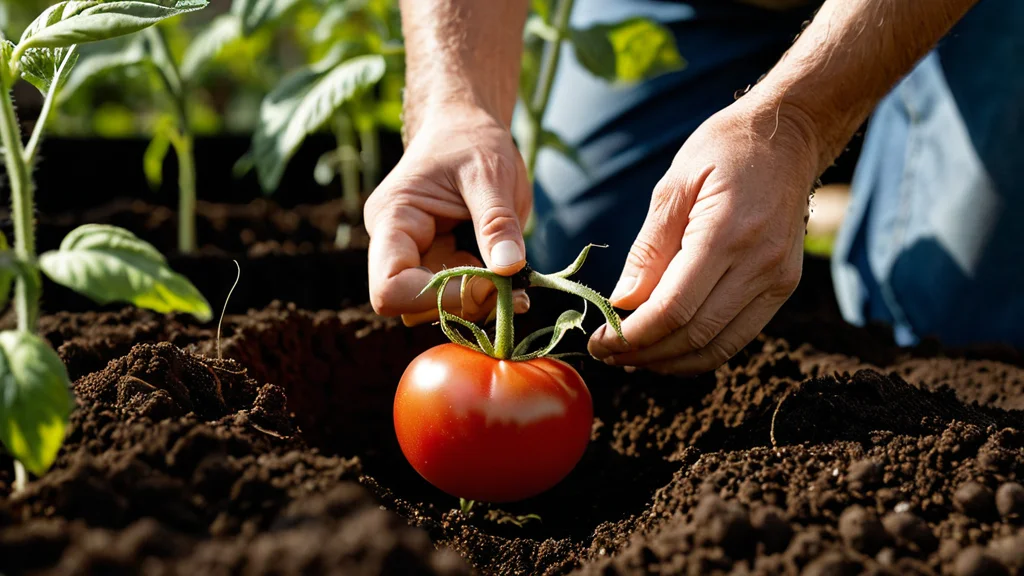
Plant at the right depth. A general rule is to plant seeds at a depth equal to twice their diameter. Tomato transplants are an exception — plant them deep, burying up to two-thirds of the stem to encourage strong root development.
Water immediately after planting. Give newly planted seeds and transplants a thorough watering right after they go in the ground to help them establish.
5. Watering and Feeding Your Plants
Consistent watering and proper nutrition are the ongoing recipe for a thriving garden.
How much to water. Most vegetable gardens need about 1 inch of water per week, either from rain or irrigation. Use a rain gauge to track rainfall.
When to water. Water in the morning at the base of plants, not on the leaves. This reduces the risk of fungal diseases. Avoid watering in the evening when moisture can sit overnight.

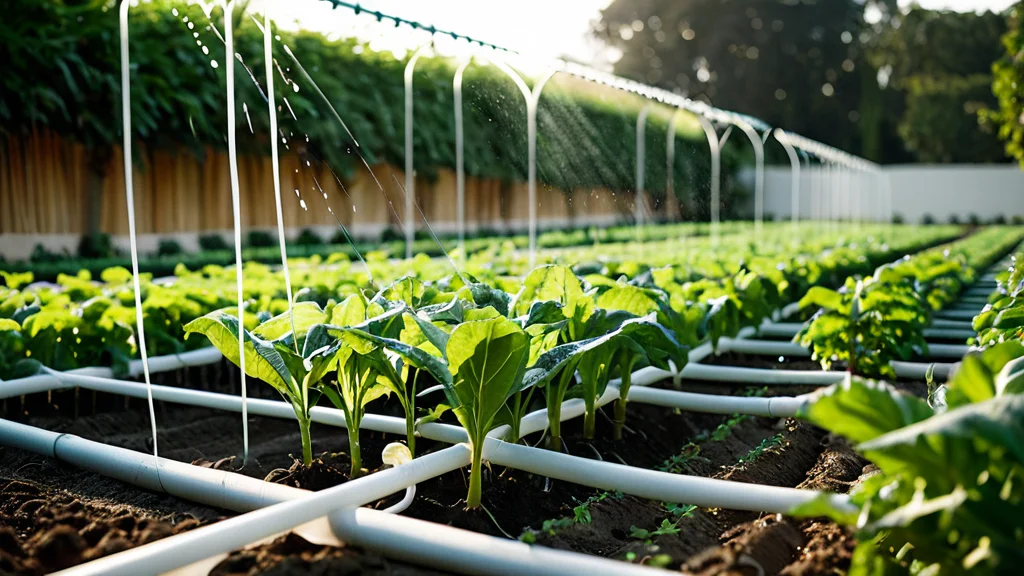
Drip irrigation and soaker hoses are the most efficient watering methods, delivering water directly to the root zone while keeping foliage dry.
Fertilizing. Start with compost-enriched soil, then supplement with a balanced fertilizer every 4 to 6 weeks during the growing season. Tomatoes and heavy feeders benefit from additional phosphorus and potassium once fruiting begins.
| Watering Method | Best For | Efficiency |
|---|---|---|
| Drip Irrigation | Rows of vegetables | Very High |
| Soaker Hose | Raised beds | High |
| Overhead Sprinkler | Lawns and large areas | Moderate |
| Hand Watering | Containers and small beds | Low to Moderate |
6. Managing Pests and Weeds
Even the best-planned gardens face challenges. The key is early detection and consistent maintenance.
Weed regularly. Weeds compete directly with your plants for water and nutrients. Pull them when they are small, before they set seed. Mulching with 2 to 3 inches of straw or wood chips suppresses weeds dramatically while retaining soil moisture.
Identify pests early. Common garden pests include aphids, caterpillars, slugs, and whiteflies. Check the undersides of leaves regularly. Hand-pick larger pests and use insecticidal soap or neem oil for soft-bodied insects.
Encourage beneficial insects. Ladybugs, lacewings, and ground beetles eat garden pests. Plant flowers like marigolds, dill, and yarrow nearby to attract them.
Practice crop rotation. Do not plant the same family of vegetables in the same spot two years in a row. This breaks pest and disease cycles naturally.
Use row covers. Lightweight floating row covers keep many insects off your plants while still allowing light and water through — ideal for protecting young seedlings.
7. Harvesting and Maintaining Your Garden
Harvest time is your reward, but the work does not stop there.
Harvest at the right time. Pick vegetables at peak ripeness for the best flavor and to encourage continued production. Tomatoes should be harvested when fully colored. Zucchini is best picked small at 6 to 8 inches. Lettuce should be harvested before it bolts in summer heat.
Harvest often. The more you harvest, the more most plants produce. Beans, cucumbers, and peppers will stop producing if fruits are left to over-mature on the vine.
End-of-season cleanup. Remove spent plants, diseased material, and fallen fruit at the end of the season. This reduces overwintering pests and disease.
Amend and rest. Add a fresh layer of compost to your beds in fall. If possible, plant a cover crop like clover or winter rye to protect and enrich the soil over winter.
Keep a garden journal. Record what you planted, when, what worked, and what did not. This becomes your personalized recipe book for an even better garden next year.