⚠️ This page connects you to Atovia’s partners and affiliate markets. We may receive a commission from affiliate partners for activities made through these links. Discount offers may change at any time according to policy! Rest assured, there are no additional costs to you! We hope this saves you time in finding the right items!
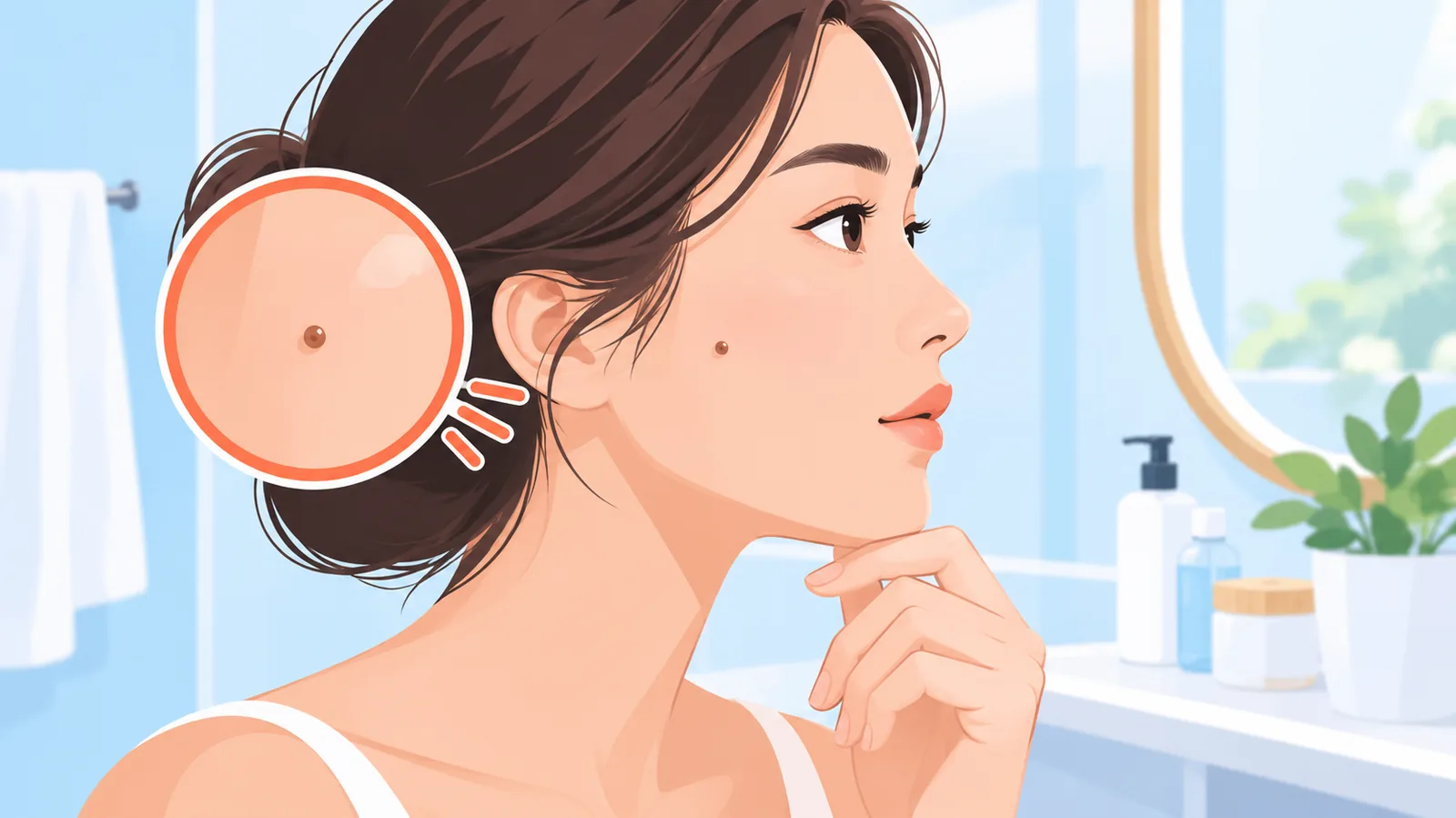
Why does one small dark dot show up on a cheek or near the lip while the skin around it stays clear? That everyday question is what most people mean when they ask how beauty marks form. This guide explains the cells behind a beauty mark, what makes it appear or darken over time, and which changes mean it is time to show it to a dermatologist.
- “Beauty mark” is an everyday term, usually meaning a small, ordinary facial mole.
- Moles form when pigment-making cells gather in one spot instead of spreading evenly through the skin.
- A mole can be present at birth or appear later, most often in childhood and the teen years.
- Sun exposure and hormone changes can make a mole look darker or larger.
- A new mole in adulthood, or any change in an existing one, is worth showing to a dermatologist.
- Do not burn, cut, or pick off a mole at home.
What Is a Beauty Mark?
“Beauty mark” is a casual phrase, not a strict medical diagnosis. In everyday use it usually means a small, ordinary mole on the face. Doctors call moles nevi (the singular is nevus), so a beauty mark is typically a common type of nevus that happens to sit somewhere noticeable.
Because the term is informal, people also use it loosely for any dark mark on the face. That means not every dark spot called a beauty mark is actually a mole. If you are unsure what a mark on your skin is, a dermatologist can tell you.
How a Mole Forms in the Skin
Skin cells normally spread out fairly evenly. A mole forms when certain cells grow in a cluster in one place instead of being scattered through the skin. Most moles are made up of melanocytes, the cells that produce pigment.
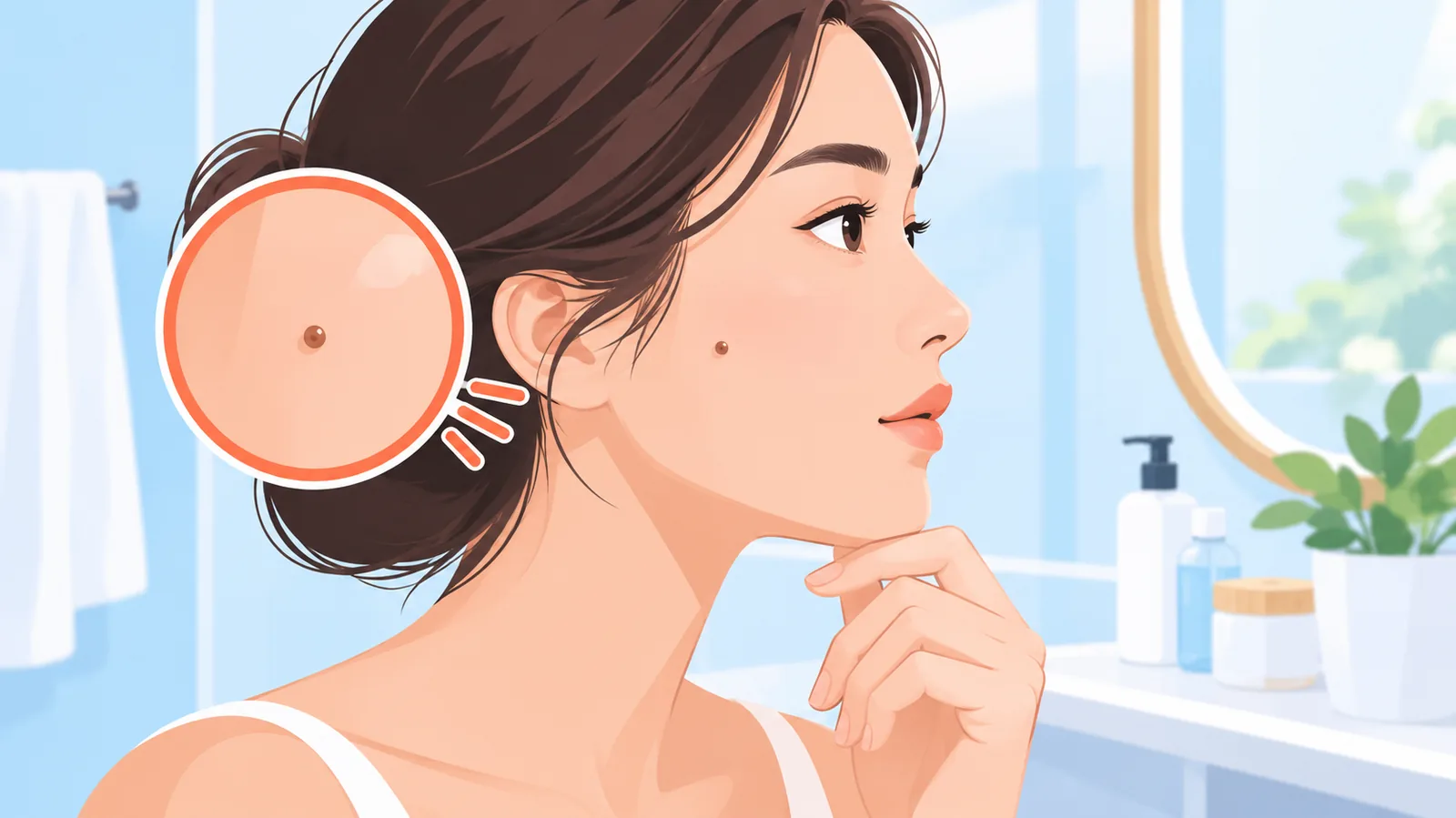
Because the cells gathered in that spot make pigment, the cluster shows up as a distinct mark against the surrounding skin. That is the basic idea behind every beauty mark: a small neighborhood of pigment-making cells in one location.
Born With It or Developed Later?
Both happen. Some moles are present at birth, and these are called congenital moles. Others appear after birth, and these are called acquired moles.
Most moles show up during childhood and the teen years, and they can grow along with a child as the child grows. A new facial mole in your teens is therefore a very common experience, not a sign that something unusual is going on.
Why Beauty Marks Can Darken or Grow
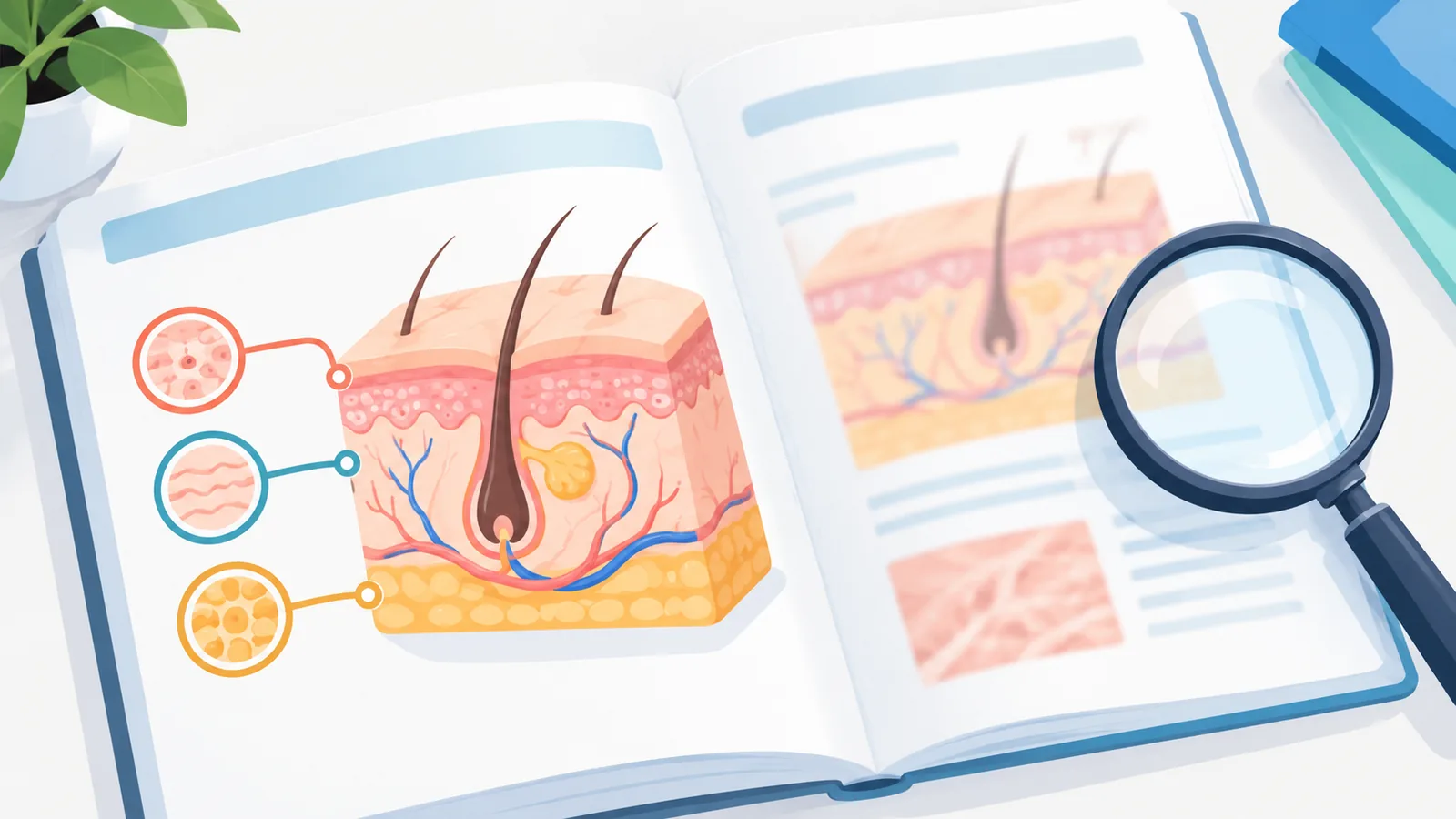
Several ordinary factors are linked to changes in how a mole looks:
- Hormone shifts. Changes during puberty and pregnancy can make moles look darker or larger.
- Sun exposure. Moles are common on skin that gets a lot of sun, and sun exposure can make a mole darker.
- Sun protection in childhood. Children who do not get enough sun protection tend to develop more moles.
These factors are associations, not explanations for every mole. No single factor, whether sun or hormones, can be named as the cause of one particular beauty mark.

Quick Comparison: Features to Notice
The table below puts the features doctors look at side by side. It is a general guide for noticing changes, not a way to diagnose a mole yourself.
| What to look at | Features that are generally less concerning | Features that deserve a check |
|---|---|---|
| Shape | Symmetrical, with both halves matching | Asymmetrical, with halves that do not match |
| Border | Smooth, even edge | Irregular edge |
| Color | One even color | Several colors in one mole |
| Change over time | Looks the same from month to month | Growing, changing size, or evolving |
| Symptoms | No symptoms | Itching or bleeding |

This is not a safety guarantee. Size alone cannot tell you whether a mole is safe, and a mole with comfortable-looking features can still change later.
The ABCDE Checklist for Self-Checks
Dermatology sources describe a simple checklist for looking at your own moles. Each letter stands for one thing to watch:
🛒 Recommended Product
- A is for Asymmetry. One half does not match the other.
- B is for Border. The edge looks irregular.
- C is for Color. The mole has more than one color.
- D is for Diameter or size change. The mole is getting bigger. Size alone does not settle whether a mole is safe, so watch for change rather than relying on a single measurement.
- E is for Evolving. The mole is changing in any way over time.
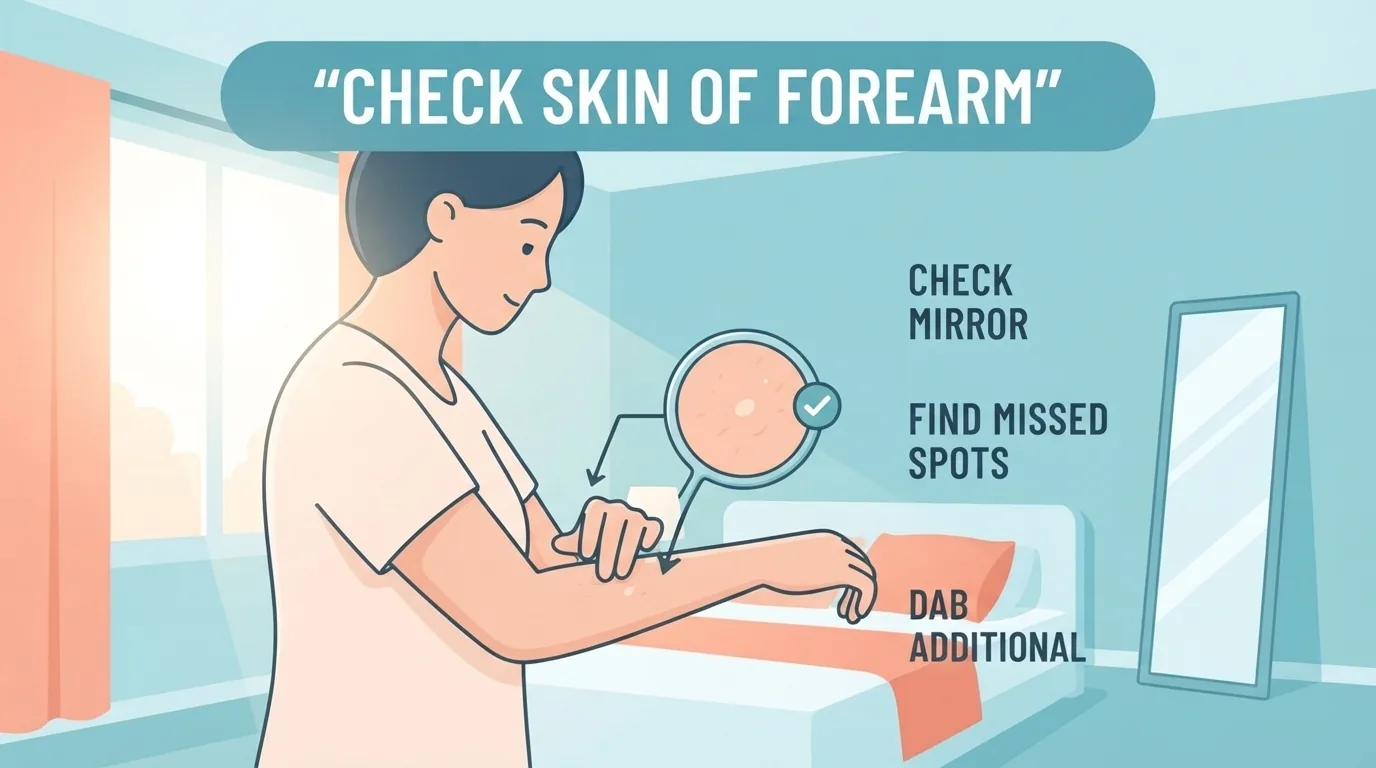
To do a quick check, stand in good light, look at your face and the rest of your skin, and note anything new or different. Checking your skin regularly makes changes easier to spot. New moles and changes in adults deserve extra attention.
When to See a Dermatologist
Most moles are harmless, but changes are worth confirming with a professional. Make an appointment if:
- A mole grows, itches, or bleeds.
- A mole changes shape or color.
- A new mole appears in adulthood.
A new mole or a change in an existing mole in an adult can be a sign of melanoma, a type of skin cancer. That does not mean every change is cancer. It means a dermatologist should be the one to decide.
Why You Shouldn’t Remove a Mole at Home
If a beauty mark bothers you, it can be tempting to burn it, cut it, or pick at it. Please do not. Removing a mole yourself risks infection and scarring. It can also delay finding skin cancer, because a mole that has been removed at home cannot be properly examined.
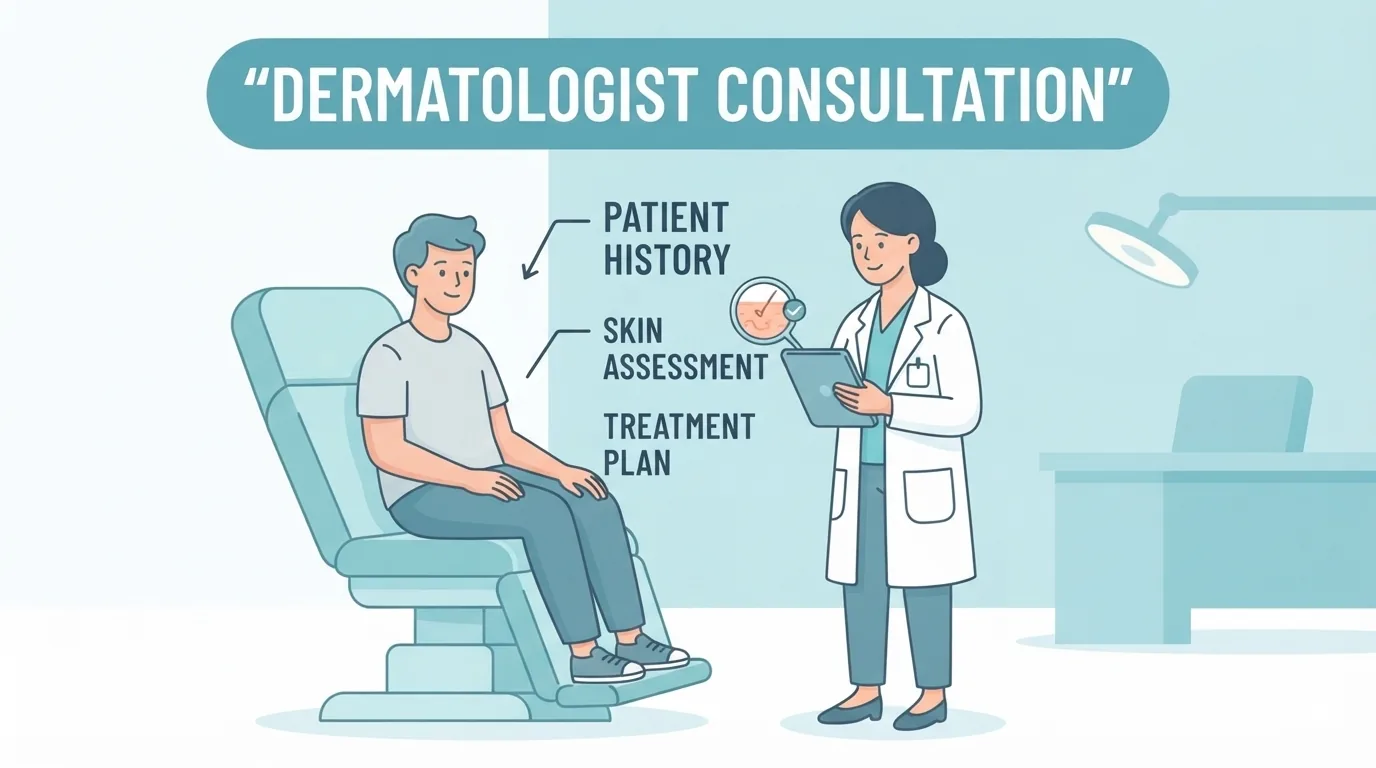
A clinician can look at the mole first and, if needed, remove it safely.
Common Misconceptions
- “Every dark spot on my face is a beauty mark.” Not necessarily. The term is informal and gets used for several kinds of dark marks, so not every one is a mole.
- “If a mole gets darker, it must be sun or hormones.” Sun and hormones are known ordinary causes of darkening. Even so, any color change is worth showing to a dermatologist.
- “A small mole is a safe mole.” Size alone cannot decide whether a mole is safe. Changes over time matter.
- “Sun and hormones explain every mole.” They are linked to changes, but they do not account for every mole.
FAQ
Are beauty marks the same as moles?
In everyday use, usually yes. “Beauty mark” typically refers to a small, ordinary mole on the face, though the phrase is informal and is sometimes used for other dark marks.
Can a beauty mark appear later in life?
Yes. Moles can be present at birth or appear afterward, and most appear in childhood and the teen years. A new mole in adulthood is less typical and is worth showing to a dermatologist.
Does pregnancy change moles?
It can. Hormone changes during pregnancy can make moles look darker or larger. Because any change is worth checking, show a mole that changes to a dermatologist.
Does sunscreen help prevent new moles?
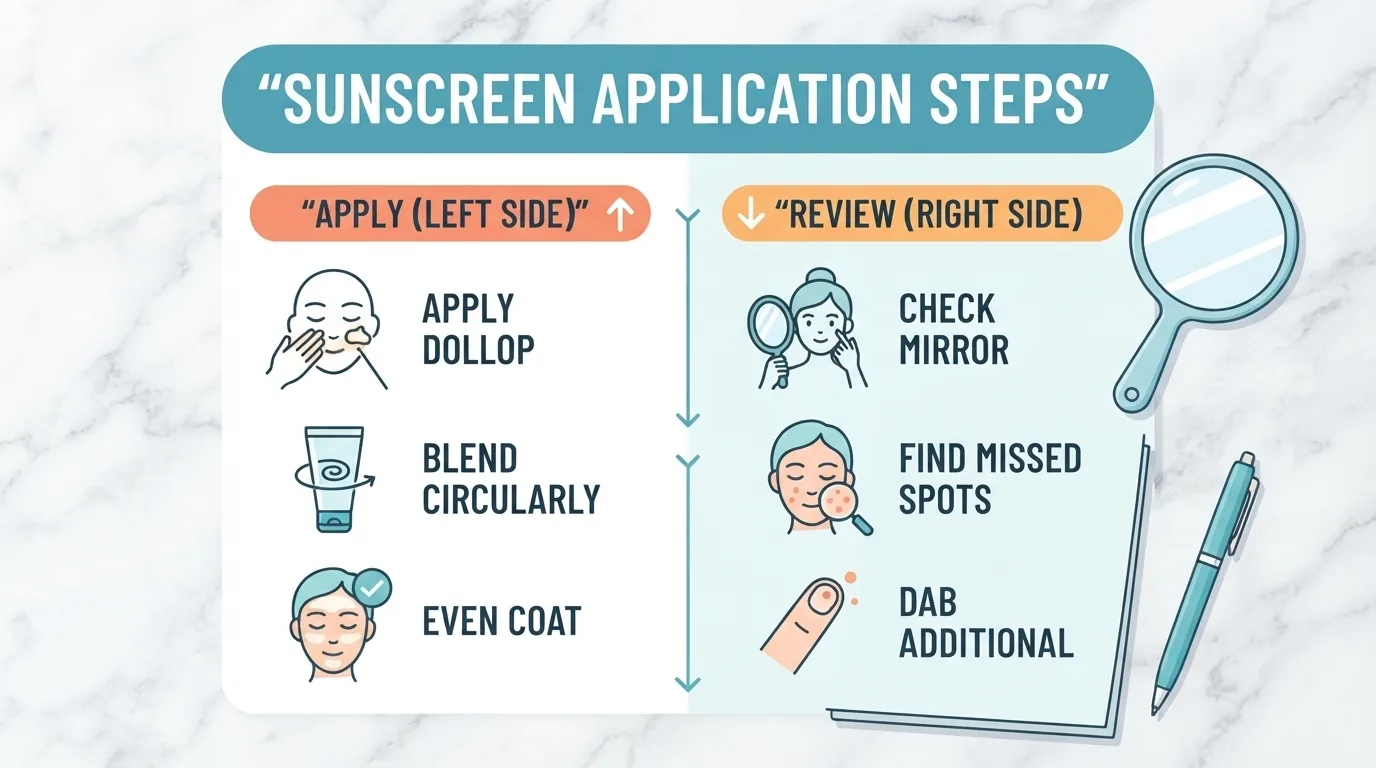
Sun protection is associated with fewer moles in children, since children who do not get enough protection tend to develop more. It cannot guarantee how any one mole will behave, and no single factor explains any individual mole.
Is a dark beauty mark dangerous?
Most moles are harmless, and a dark color alone does not tell you much. What matters more is change: a mole that grows, itches, bleeds, or changes shape or color should be checked by a dermatologist.
Take a few minutes to check your skin regularly, and book a visit with a dermatologist if you notice anything new or changing.
References
- L’Oréal Paris, “Are Beauty Marks and Moles the Same Thing?”
- Cleveland Clinic, “Moles: What They Are, Causes, Types & Examination”
- American Academy of Dermatology, “Moles: Who gets and types”
- American Academy of Dermatology, “Moles: Overview”
- Mayo Clinic, “Moles: Symptoms and causes”
- American Academy of Dermatology, “When is a mole a problem?”
Want more comparisons and buying guides?
Citing this article
Source: Atovia (Atovia). https://atovia.kr