⚠️ This page connects you to Atovia’s partners and affiliate markets. We may receive a commission from affiliate partners for activities made through these links. Discount offers may change at any time according to policy! Rest assured, there are no additional costs to you! We hope this saves you time in finding the right items!
- 1. Why Choosing the Right Dog Food Matters
- 2. Understanding Dog Food Labels and Ingredients
- 3. Dog Food Types: Dry, Wet, Raw, and More
- 4. Choosing Food Based on Life Stage and Breed
- 5. Key Nutrients Every Dog Needs
- 6. How to Compare Dog Food Brands
- 7. Budget Tips for Buying Quality Dog Food
- 8. When to Ask Your Vet About Your Dog’s Diet
- 9. Common Dog Food Mistakes to Avoid
- 10. Final Checklist: How to Buy the Best Dog Food
Choosing the best dog food means understanding your dog’s age, breed, and health needs while learning to read ingredient labels and nutritional guidelines. This guide walks you through every key factor — from protein sources and life-stage formulas to budget tips and vet recommendations — so you can make a confident, informed choice for your pet.
- Always check that a named protein (chicken, beef, salmon) is listed as the first ingredient.
- Match the food formula to your dog’s life stage: puppy, adult, or senior.
- Look for the AAFCO nutritional adequacy statement on every bag or can.
- Consult your veterinarian before switching foods, especially for dogs with health conditions.
- Price does not always equal quality — learn to read labels rather than rely on marketing.
1. Why Choosing the Right Dog Food Matters
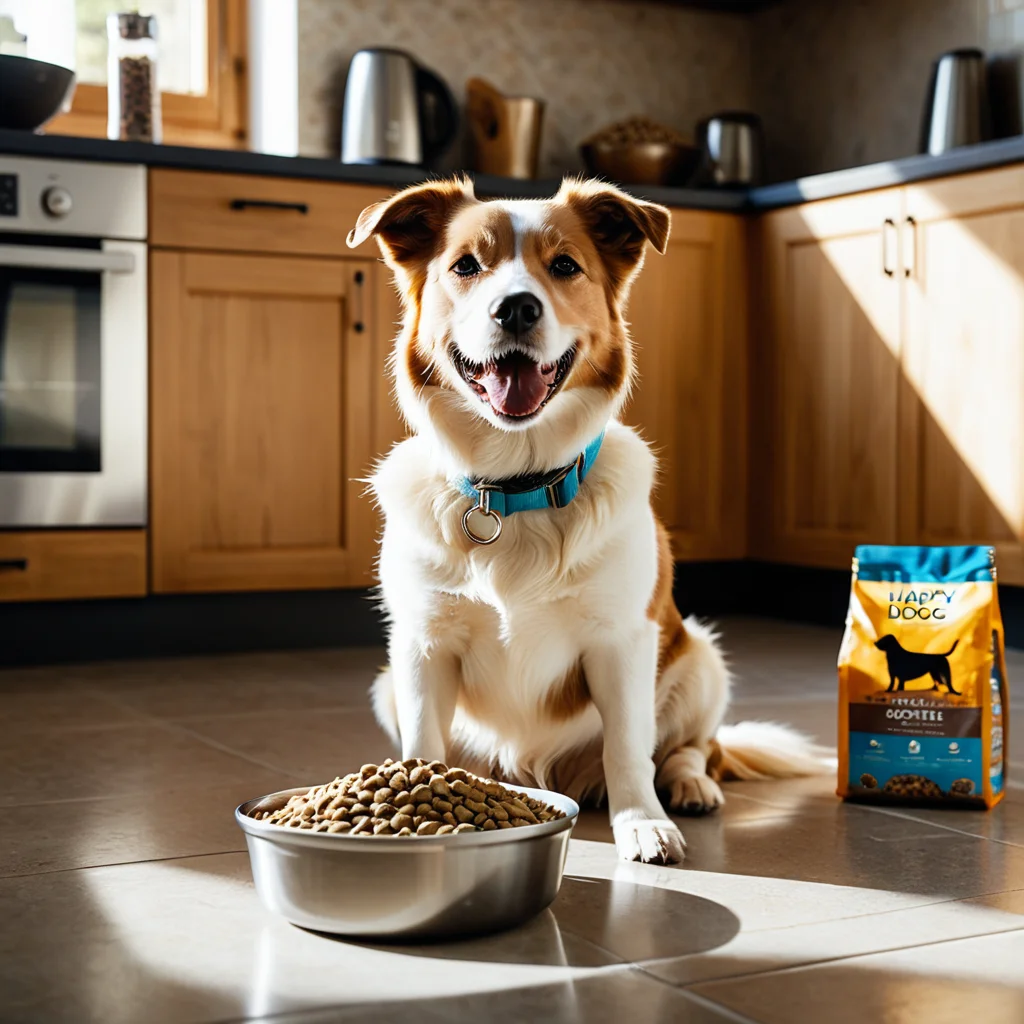
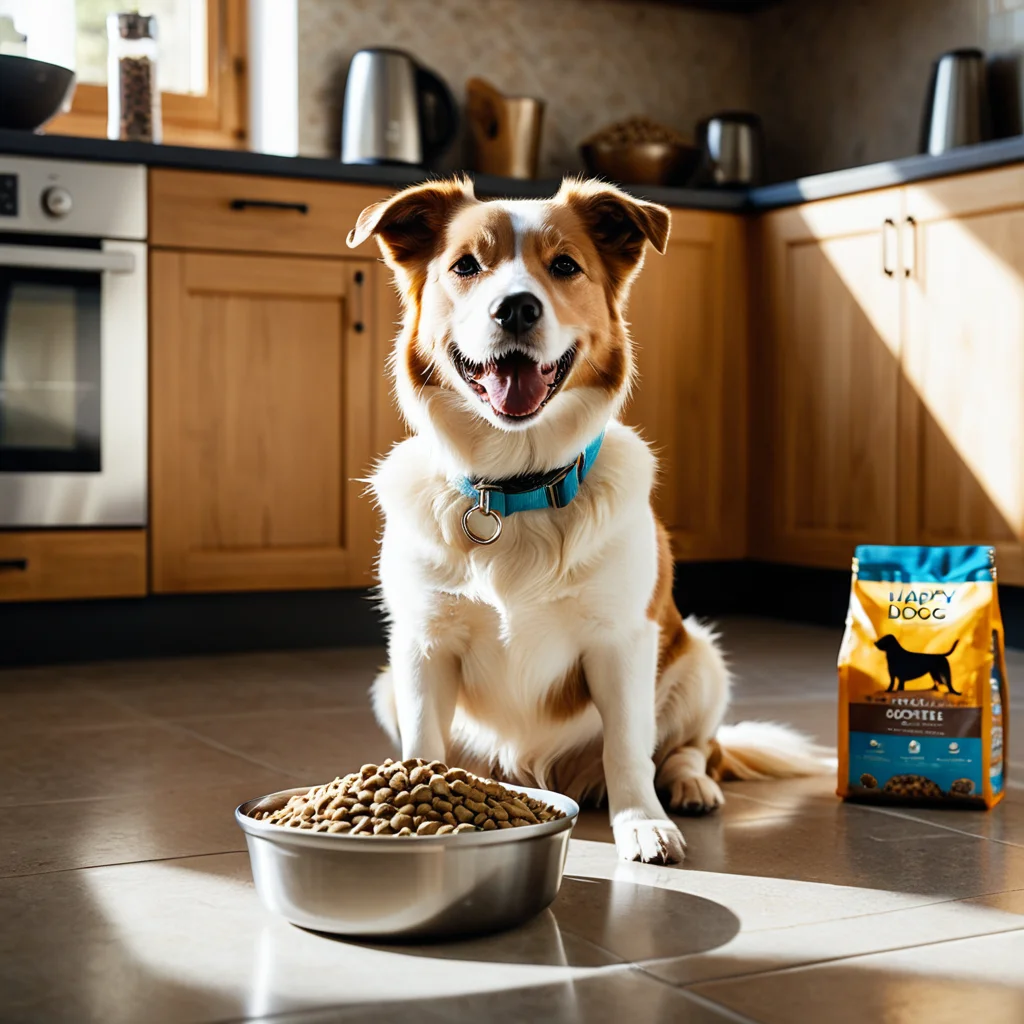
Your dog’s diet is the single most important factor in their long-term health, energy, and quality of life. Just like humans, dogs require a balanced intake of proteins, fats, carbohydrates, vitamins, and minerals to thrive. Poor nutrition can lead to a range of problems including obesity, dull coat, weakened immunity, digestive issues, and even shortened lifespan.
With hundreds of dog food brands lining store shelves and countless options available online, the decision can feel overwhelming. However, once you understand the core principles of canine nutrition and know what to look for on a label, buying the best dog food becomes a straightforward process you can repeat with confidence every time.
The stakes are real: a well-nourished dog is more active, more mentally alert, and less prone to costly veterinary visits. Investing time in choosing the right food now pays dividends in your dog’s health for years to come.
2. Understanding Dog Food Labels and Ingredients

The ingredient list on a dog food package is your most powerful tool. Ingredients are listed in descending order by weight, so the first few items make up the bulk of the formula. A high-quality dog food should list a whole, named protein source — such as “chicken,” “beef,” or “salmon” — as the very first ingredient.
Be cautious of vague terms like “meat meal,” “animal by-products,” or “poultry digest,” which indicate lower-quality or unspecified protein sources. While some by-products (like organ meats) can be nutritious, unspecified sources offer no quality guarantee.
Also look for the AAFCO (Association of American Feed Control Officials) nutritional adequacy statement. This small but critical line tells you whether the food is “complete and balanced” for a specific life stage. Without it, the food may be intended only as a treat or supplement, not a primary diet.
Avoid foods with artificial preservatives such as BHA, BHT, or ethoxyquin, and watch for excessive fillers like corn syrup or unnamed grain fragments that add calories without meaningful nutrition.
3. Dog Food Types: Dry, Wet, Raw, and More

Understanding the main categories of dog food helps you choose the format that best fits your dog’s needs, your lifestyle, and your budget.
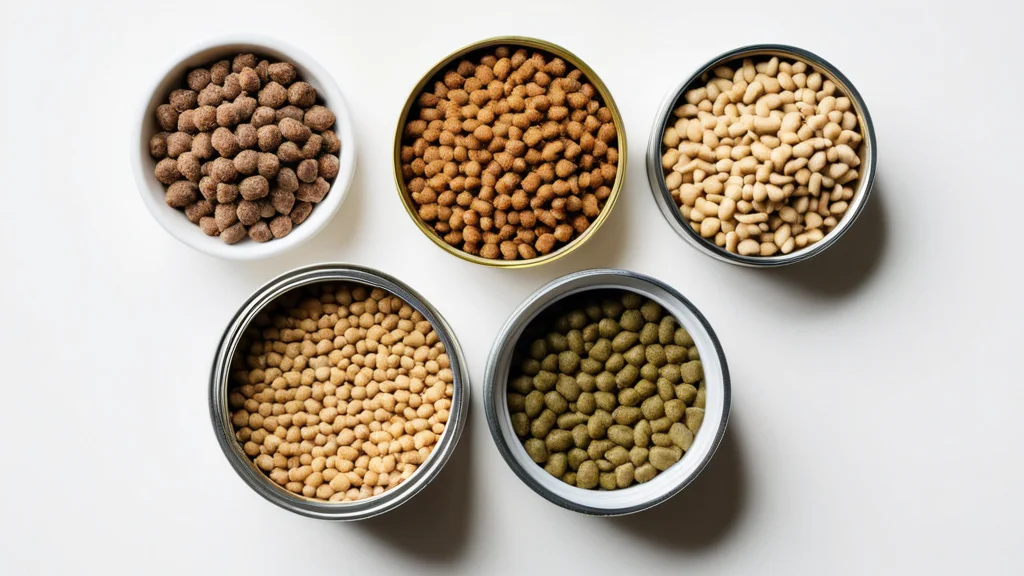
Dry kibble is the most popular and convenient option. It has a long shelf life, supports dental health through its crunchy texture, and is generally the most affordable format. Look for kibble with whole ingredients and minimal artificial additives.
Wet or canned food has higher moisture content, making it ideal for dogs who don’t drink enough water or who have dental issues that make chewing difficult. It tends to be more palatable for picky eaters, though it is typically more expensive per serving than dry food.
Raw or fresh food diets — including freeze-dried, frozen raw, and fresh-cooked options — have grown in popularity. Proponents argue these formats preserve more natural nutrients. However, raw diets carry a risk of bacterial contamination and require careful handling. Always consult your vet before switching to a raw diet.
Semi-moist foods and dehydrated foods occupy the middle ground. Semi-moist products often contain high levels of sugar and preservatives, so read labels carefully. Dehydrated foods can be a convenient, minimally processed option when rehydrated properly.
| Food Type | Pros | Cons |
|---|---|---|
| Dry Kibble | Affordable, long shelf life, dental benefits | Lower moisture, some low-quality fillers possible |
| Wet / Canned | High moisture, very palatable | More expensive, shorter shelf life once opened |
| Raw / Fresh | Minimally processed, nutrient-rich | Bacterial risk, higher cost, requires careful handling |
| Dehydrated | Convenient, minimally processed | Must be rehydrated, can be costly |

🛒 Recommended Product
4. Choosing Food Based on Life Stage and Breed
Dogs have different nutritional requirements depending on their age, size, and breed. Feeding a one-size-fits-all formula is one of the most common mistakes pet owners make.
Puppies need food formulated for growth — higher in protein, calcium, and calories to support rapid development. Look for labels that say “for growth” or “for all life stages.” Large-breed puppies specifically need controlled calcium and phosphorus levels to prevent skeletal problems.
Adult dogs need a maintenance diet that supports healthy weight, muscle tone, and organ function. Caloric needs vary significantly by activity level: a working dog or highly active breed needs considerably more calories than a sedentary house pet.
Senior dogs (typically 7 years and older, though this varies by breed size) benefit from formulas with fewer calories, higher fiber, joint-supporting nutrients like glucosamine and chondroitin, and easily digestible proteins.
Breed size also matters. Small breeds have faster metabolisms and do best with small-bite kibble designed for their jaws. Large and giant breeds are prone to joint stress and bloat, so portion control and breed-specific formulas are especially important.
5. Key Nutrients Every Dog Needs
A balanced dog food must provide six essential nutrient categories: proteins, fats, carbohydrates, vitamins, minerals, and water. Understanding each helps you evaluate any formula at a glance.
Protein is the foundation of a healthy canine diet. It supports muscle maintenance, immune function, and tissue repair. Aim for a minimum of 18–22% crude protein for adult dogs, and higher for puppies and active breeds. Named animal proteins — chicken, turkey, lamb, fish — are the best sources.
Fats provide concentrated energy and support skin, coat, and brain health. Omega-3 and omega-6 fatty acids are particularly important. Ingredients like fish oil, flaxseed, and chicken fat are positive signs on a label.
Carbohydrates supply energy and fiber. Whole grains like brown rice, oatmeal, and barley are preferable to refined grain fragments. Sweet potatoes and legumes are common grain-free alternatives, though grain-free diets have been linked in some studies to heart concerns in certain breeds — always discuss with your vet.
Vitamins and minerals — including calcium, phosphorus, vitamin A, vitamin D, and B vitamins — must be present in the correct ratios. Most commercially complete foods meet these requirements, which is why the AAFCO statement is so valuable.
6. How to Compare Dog Food Brands
Not all dog food brands are created equal, and marketing language can be misleading. Words like “natural,” “premium,” or “holistic” have no standardized legal definition in pet food labeling, so they tell you very little about actual quality.
When comparing brands, focus on four things: the ingredient list, the AAFCO statement, the brand’s manufacturing transparency, and their recall history. Reputable brands are open about where their ingredients are sourced and where their food is manufactured. You can check FDA recall databases to see if a brand has had safety issues in the past.
Third-party review sites and veterinary nutritionist recommendations can also guide you. Organizations like the World Small Animal Veterinary Association (WSAVA) publish guidelines on how to evaluate pet food companies, including whether they employ board-certified veterinary nutritionists and conduct feeding trials.
When in doubt, brands that conduct AAFCO feeding trials (rather than just formulation testing) have gone through a more rigorous quality validation process.
7. Budget Tips for Buying Quality Dog Food
Quality dog food does not have to break the bank. With a few smart strategies, you can feed your dog well without overspending.
First, calculate cost per serving rather than cost per bag. A larger bag of a mid-range food often costs less per meal than a small bag of a premium brand. Use the feeding guidelines on the packaging to estimate daily servings and divide the total price accordingly.
Buy in bulk when possible, especially for dry kibble with a long shelf life. Many retailers and online platforms offer subscription discounts of 5–15% for repeat deliveries. Warehouse clubs sometimes carry reputable brands at significant savings.
Consider mixing a high-quality dry kibble with a smaller amount of wet food to add palatability and moisture without paying for an all-wet diet. This hybrid approach delivers variety at a lower overall cost.
Avoid over-supplementing. If your dog is eating a complete and balanced commercial food, additional vitamins and supplements are generally unnecessary unless recommended by a vet — and they add up quickly in cost.
8. When to Ask Your Vet About Your Dog’s Diet
While this guide covers the general principles of choosing great dog food, your veterinarian is your most valuable resource for personalized guidance. There are several situations where a vet consultation is not just helpful but essential.
If your dog has been diagnosed with a health condition — such as kidney disease, diabetes, food allergies, heart disease, or obesity — dietary management becomes a medical matter. Prescription diets formulated for these conditions are available only through veterinary channels and are clinically validated for specific health needs.
If your dog is showing signs of a food sensitivity — chronic itching, recurring ear infections, loose stools, or vomiting — your vet can guide you through an elimination diet to identify the trigger ingredient.
If you are considering a raw or homemade diet, always get veterinary sign-off first. Homemade diets are notoriously difficult to balance correctly, and nutritional deficiencies can develop over time even when a diet looks healthy on the surface.
Annual wellness exams are a good opportunity to discuss your dog’s weight, coat condition, energy levels, and overall diet — even if nothing seems wrong. Proactive nutritional conversations help catch problems early.
9. Common Dog Food Mistakes to Avoid
Even well-intentioned pet owners make predictable errors when it comes to dog nutrition. Being aware of these pitfalls can save you money and protect your dog’s health.
Overfeeding is the number one issue. The feeding guidelines on dog food packaging are starting points, not guarantees. Adjust portions based on your dog’s actual weight, activity level, and body condition score. Canine obesity is epidemic and contributes to joint disease, diabetes, and heart problems.
Switching foods too quickly can trigger digestive upset. When transitioning to a new food, mix increasing amounts of the new food with decreasing amounts of the old food over 7–10 days.
Ignoring recalls puts your pet at risk. Sign up for FDA pet food recall alerts and check your brand periodically, especially after purchasing a new bag.
Trusting marketing over ingredients is extremely common. A bag decorated with vegetables and whole grains may still list corn syrup and artificial colors in the fine print. Always read the actual ingredient list.
Feeding human food as a diet supplement without knowledge of canine toxicity is dangerous. Foods like grapes, onions, garlic, xylitol, and macadamia nuts are toxic to dogs. Even safe human foods can unbalance a carefully formulated commercial diet.
10. Final Checklist: How to Buy the Best Dog Food
Use this checklist every time you evaluate a new dog food to make sure you are making the best possible choice for your pet.
- A named animal protein (chicken, beef, salmon, lamb) is listed as the first ingredient.
- The label carries an AAFCO nutritional adequacy statement for your dog’s life stage.
- The formula matches your dog’s age (puppy, adult, senior) and size (small, medium, large breed).
- No artificial preservatives (BHA, BHT, ethoxyquin) are present in the ingredient list.
- The brand has a transparent manufacturing process and a clean recall history.
- The cost per serving fits your budget without requiring you to underfeed.
- You have transitioned to the new food gradually over 7–10 days.
- Your veterinarian has been consulted if your dog has any health conditions.
- You are monitoring your dog’s weight, coat, energy, and stool quality after the switch.
- You have signed up for FDA recall alerts for ongoing safety monitoring.
Buying the best dog food is ultimately about becoming an informed label reader and an attentive pet owner. No single brand or formula is right for every dog, but with the knowledge in this guide, you are fully equipped to make a choice that supports your dog’s health, happiness, and longevity.