⚠️ This page connects you to Atovia’s partners and affiliate markets. We may receive a commission from affiliate partners for activities made through these links. Discount offers may change at any time according to policy! Rest assured, there are no additional costs to you! We hope this saves you time in finding the right items!
Growing your own food the natural way is one of the most rewarding things you can do — for your health, your table, and the planet. Whether you have a sprawling backyard or a few containers on a balcony, organic gardening puts you in control of what goes into your soil and onto your plate. This guide walks you through every essential step, from the ground up.
- Organic gardening avoids synthetic chemicals by working with nature, not against it.
- Healthy soil is the single most important factor in a productive organic garden.
- Composting turns kitchen and garden waste into powerful, free fertilizer.
- Smart plant selection and companion planting reduce pest and disease problems naturally.
- Organically grown produce can go straight from garden to kitchen with minimal processing.
1. What Is Organic Gardening?
Organic gardening is a method of cultivating plants — vegetables, fruits, herbs, and flowers — without the use of synthetic fertilizers, pesticides, herbicides, or genetically modified organisms. Instead, organic gardeners rely on natural inputs like compost, aged manure, mulch, and beneficial insects to nourish plants and manage pests.
At its core, organic gardening is about working with natural systems rather than overriding them. Rather than forcing rapid growth through chemical fertilization, an organic gardener builds long-term soil health that supports vigorous, resilient plants season after season. This philosophy extends to pest management — instead of reaching for a spray bottle of synthetic insecticide, the organic approach identifies the root cause and uses biological or physical solutions.
Beyond personal health benefits, organic gardening supports biodiversity. Gardens free of chemical inputs become sanctuaries for pollinators like bees and butterflies, beneficial insects that control harmful pests, and soil microorganisms that keep the growing ecosystem balanced. Many home gardeners find that once they make the switch, their gardens become more alive — literally and figuratively.
2. Building Healthy Soil Without Chemicals

Soil is not just dirt. It is a living, breathing ecosystem made up of minerals, organic matter, water, air, and billions of microorganisms. Healthy soil is loose, dark, and fragrant — rich in the nutrients and microbial activity that plants need to thrive. In organic gardening, building and maintaining soil health is the first priority.
The most effective way to improve soil is by adding organic matter regularly. Compost is the gold standard — it feeds soil microbes, improves drainage in clay soils, increases water retention in sandy soils, and slowly releases nutrients as it breaks down. Aged manure from chickens, cows, or horses is another excellent amendment, as are leaf mold, wood chips, and worm castings.
Avoid tilling the soil excessively. While turning the soil once to break up compaction can be helpful, frequent deep tilling destroys the delicate fungal networks and microbial communities that support plant health. Many experienced organic gardeners practice a “no-dig” approach, simply layering compost on top of the soil each season and letting earthworms do the mixing.
| Soil Amendment | Best For | Application Rate |
|---|---|---|
| Finished Compost | General soil enrichment | 2–4 inches per season |
| Aged Chicken Manure | Nitrogen boost | 1–2 inches, worked in before planting |
| Worm Castings | Seedlings and containers | 10–20% of potting mix |
| Wood Chip Mulch | Moisture retention, weed suppression | 3–4 inches on surface |
| Leaf Mold | Improving soil structure | 2–3 inches dug in or used as mulch |
3. Choosing the Right Plants for Your Garden
Success in organic gardening starts before a single seed goes into the ground. Choosing plants that are well-suited to your climate, soil type, and available sunlight gives them the best possible start — and reduces the need for intervention later. A plant struggling in the wrong conditions is far more vulnerable to pests and disease.
Start by understanding your USDA hardiness zone and your local frost dates. These determine what you can grow and when. Cool-season crops like lettuce, spinach, kale, and peas thrive in spring and fall when temperatures are mild. Warm-season crops like tomatoes, peppers, cucumbers, and squash need the warmth of summer to produce abundantly.
Companion planting is another powerful tool in the organic gardener’s kit. Certain plant combinations benefit each other — basil planted near tomatoes is said to improve flavor and deter aphids; marigolds planted throughout the vegetable garden repel nematodes and whiteflies; and the classic “Three Sisters” combination of corn, beans, and squash supports each plant’s growth through complementary nutrient use and physical structure.
Wherever possible, choose disease-resistant varieties suited to your region. Local seed libraries, cooperative extension services, and heirloom seed companies are excellent resources for finding varieties with a proven track record in your area.
🛒 Recommended Product
4. Natural Pest and Weed Control
One of the most common concerns new organic gardeners have is how to manage pests and weeds without chemical sprays. The good news is that a well-balanced organic garden naturally keeps these problems in check — and when intervention is needed, there are many effective, safe options.
Prevention is always the first line of defense. Healthy plants growing in rich soil are far more resistant to pest damage. Rotating your crops each year prevents pest and disease populations from building up in the same spot. Floating row covers physically protect plants from insects like cabbage moths and cucumber beetles.

When pests do appear, start with the least invasive approach. Hand-picking large insects like tomato hornworms is surprisingly effective. A strong spray of water knocks aphids off leaves and disrupts their feeding. Introducing or encouraging beneficial insects — ladybugs, lacewings, parasitic wasps — creates natural pest control that works around the clock.
For more persistent problems, organic-approved sprays like neem oil, insecticidal soap, and diatomaceous earth are widely available and break down quickly without leaving harmful residues. Always apply them in the early morning or evening to avoid harming pollinators.
Weed management follows a similar logic. Mulching heavily — with straw, wood chips, or shredded leaves — smothers weed seeds before they can germinate. Hand weeding when weeds are small is far easier than dealing with established roots. Covering unused beds with cardboard or black plastic through the winter can dramatically reduce the weed seed bank in your soil.
5. Composting Basics for Beginners
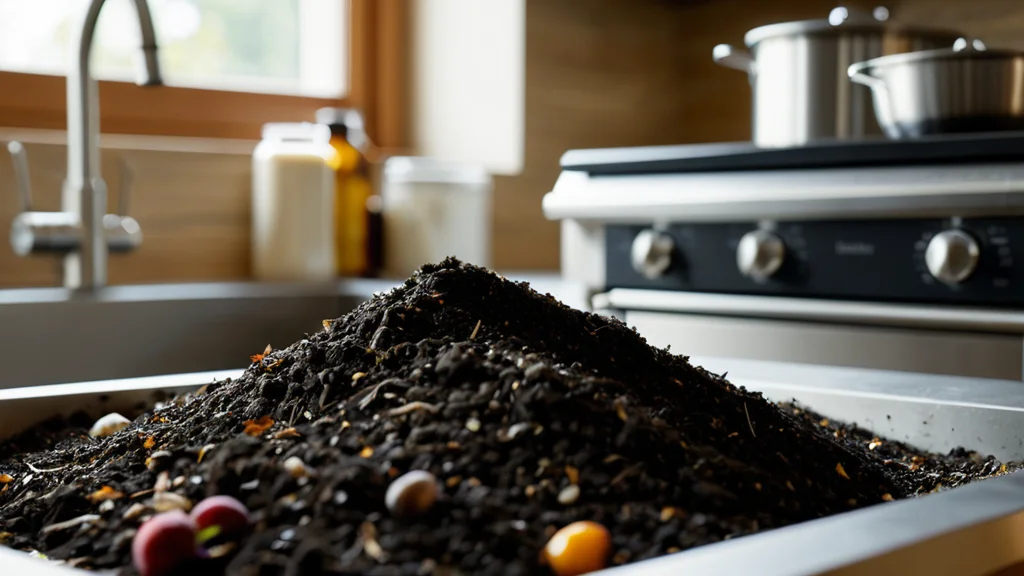
Composting is the process of transforming organic waste — kitchen scraps, garden trimmings, leaves, and more — into a dark, crumbly, nutrient-rich material that feeds your soil. It is the cornerstone of organic gardening and one of the most satisfying practices you can adopt.
A basic compost pile needs four things: carbon-rich “brown” materials (dried leaves, cardboard, straw), nitrogen-rich “green” materials (vegetable scraps, coffee grounds, fresh grass clippings), moisture, and air. The general rule of thumb is to aim for roughly two to three parts browns to one part greens by volume. Too many greens and the pile becomes slimy and smelly; too many browns and decomposition slows to a crawl.
To get started, choose a spot in your garden that gets partial sun and has good drainage. You can use a simple wooden bin, a purchased plastic composter, or just a freestanding pile. Add materials in layers, keep the pile as moist as a wrung-out sponge, and turn it every one to two weeks to introduce oxygen. Under good conditions, you can have finished compost in as little as two to three months.
Items to compost include fruit and vegetable scraps, eggshells, coffee grounds and filters, tea bags, grass clippings, leaves, and garden trimmings. Avoid adding meat, dairy, oily foods, diseased plants, or pet waste, as these can attract pests or introduce pathogens.
6. Watering and Seasonal Care
Water is life in the garden, but how you water matters as much as how much you water. Overwatering is one of the most common mistakes home gardeners make — it suffocates roots, encourages fungal disease, and leaches nutrients out of the soil. The goal is to water deeply and infrequently, encouraging roots to grow downward in search of moisture rather than staying near the surface.
The best time to water is early morning, which allows foliage to dry during the day and reduces the risk of mildew and other fungal problems. Drip irrigation and soaker hoses deliver water directly to the root zone with minimal evaporation — they are well worth the investment for any serious organic garden. If you are watering by hand, water at the base of plants rather than overhead.
Mulching — mentioned earlier for weed control — also plays a crucial role in water conservation. A 3–4 inch layer of organic mulch can reduce water evaporation from the soil surface by up to 50%, dramatically cutting the time and water needed to keep your garden hydrated.
Seasonal care in an organic garden follows the natural rhythm of the year. In spring, prepare beds, amend soil, and start seeds. Summer is for maintaining, harvesting, and succession planting. Fall is the time to plant cool-season crops, collect seeds, and begin putting the garden to bed. Winter is for planning, resting, and enriching the soil with cover crops or a thick layer of compost that will break down by spring.
7. Harvesting and Using Your Organic Produce in the Kitchen
The moment of harvest is the most rewarding part of the organic gardening journey — the point at which all that soil building, planting, and tending translates into real food on your table. Knowing when and how to harvest makes a significant difference in flavor, nutrition, and the ongoing productivity of your plants.
Most vegetables are best harvested when they are just reaching maturity rather than fully ripe. Zucchini picked at 6–8 inches is far more tender and flavorful than one left to become a baseball bat. Tomatoes are best harvested when fully colored but still firm. Leafy greens like lettuce and kale can be harvested using the “cut-and-come-again” method — taking outer leaves while leaving the center to continue growing, extending your harvest window by weeks.
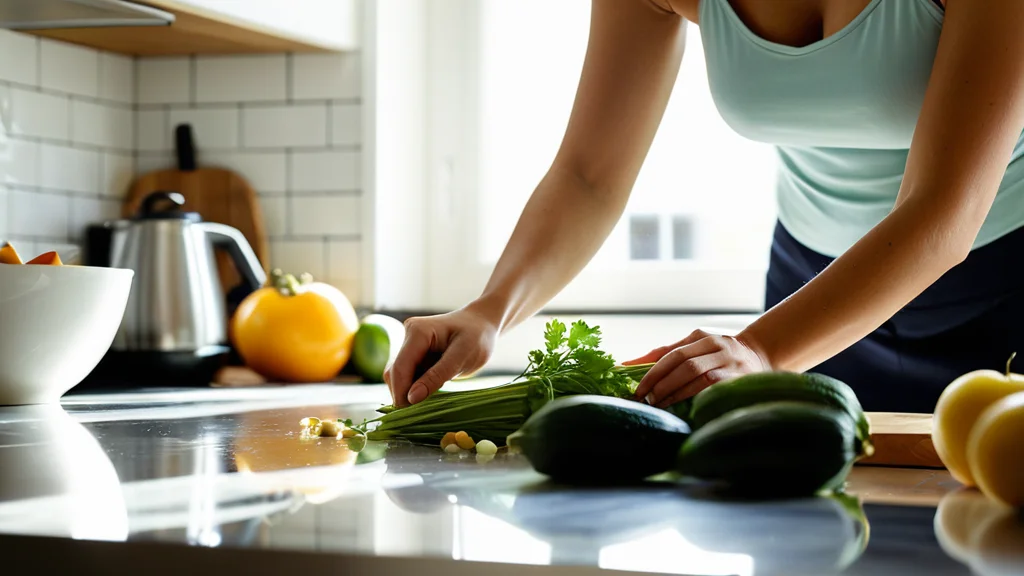
The beauty of organically grown produce is that it can go from garden to kitchen with minimal preparation. Because no synthetic chemicals have been applied, a quick rinse under cool water is all that most vegetables need. Flavor is often noticeably superior to supermarket produce — higher sugar content in freshly picked sweet corn, more complex aromatics in garden-grown tomatoes, crispness in lettuce that store-bought simply cannot match.
Use your harvest in simple preparations that let the ingredients shine. A salad of just-picked greens with olive oil and lemon. A pasta tossed with sautéed zucchini, garlic, and fresh basil. A slow-roasted tray of root vegetables drizzled with honey and thyme. Organic gardening connects the act of cooking back to the act of growing — and that connection makes everything taste better.
- Harvest in the morning when produce is coolest and most hydrated for best flavor.
- Store most vegetables unwashed in the refrigerator to extend freshness.
- Tomatoes and basil are best kept at room temperature — cold dulls their flavor.
- Blanch and freeze surplus harvests of beans, corn, and greens to enjoy through winter.
- Use vegetable scraps and spent herbs to make a rich homemade stock — zero waste from your garden.
Ready to start growing your own food the natural way? Download our free Organic Garden Planner and get seasonal planting calendars, companion planting charts, and composting guides all in one place.