⚠️ This page connects you to Atovia’s partners and affiliate markets. We may receive a commission from affiliate partners for activities made through these links. Discount offers may change at any time according to policy! Rest assured, there are no additional costs to you! We hope this saves you time in finding the right items!
You live in one state and need a home in another, in a city you can’t walk through. That makes every listing feel like a leap of faith.
So here’s the process in the order that works best: timeline, budget, neighborhoods, tours, scam checks, paperwork, and the lease. You’ll also find a tour comparison table and a short FAQ.
- When should you start searching?
- What will the move really cost?
- How do you pick a neighborhood from far away?
- How can you tour an apartment you can’t visit?
- How do you confirm the listing and landlord are real?
- What paperwork should you have ready?
- What should you check in the lease?
- When is a temporary place the smarter first step?
- FAQ
- Your next step today
When should you start searching?
[[IMAGE_1]]
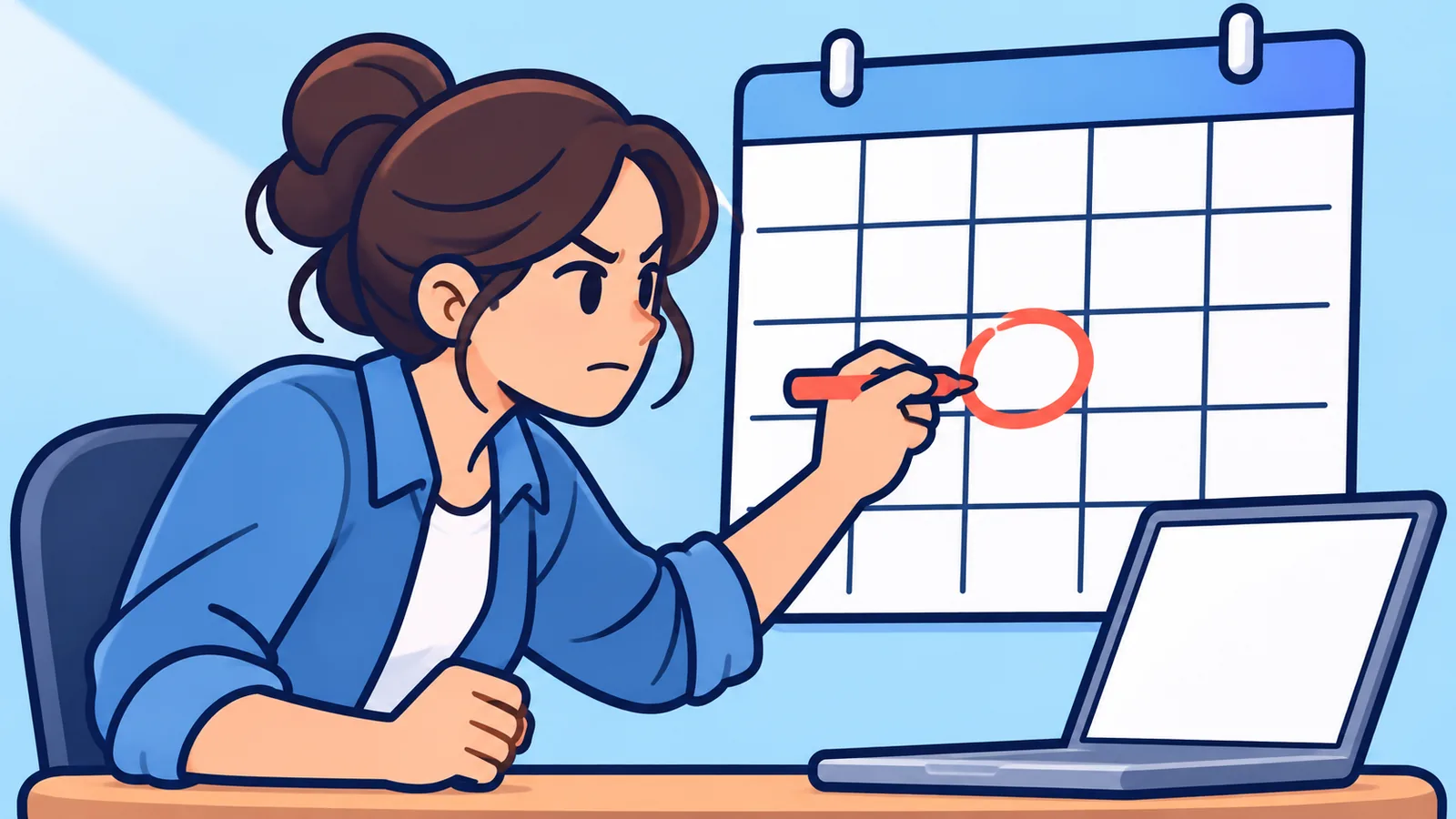
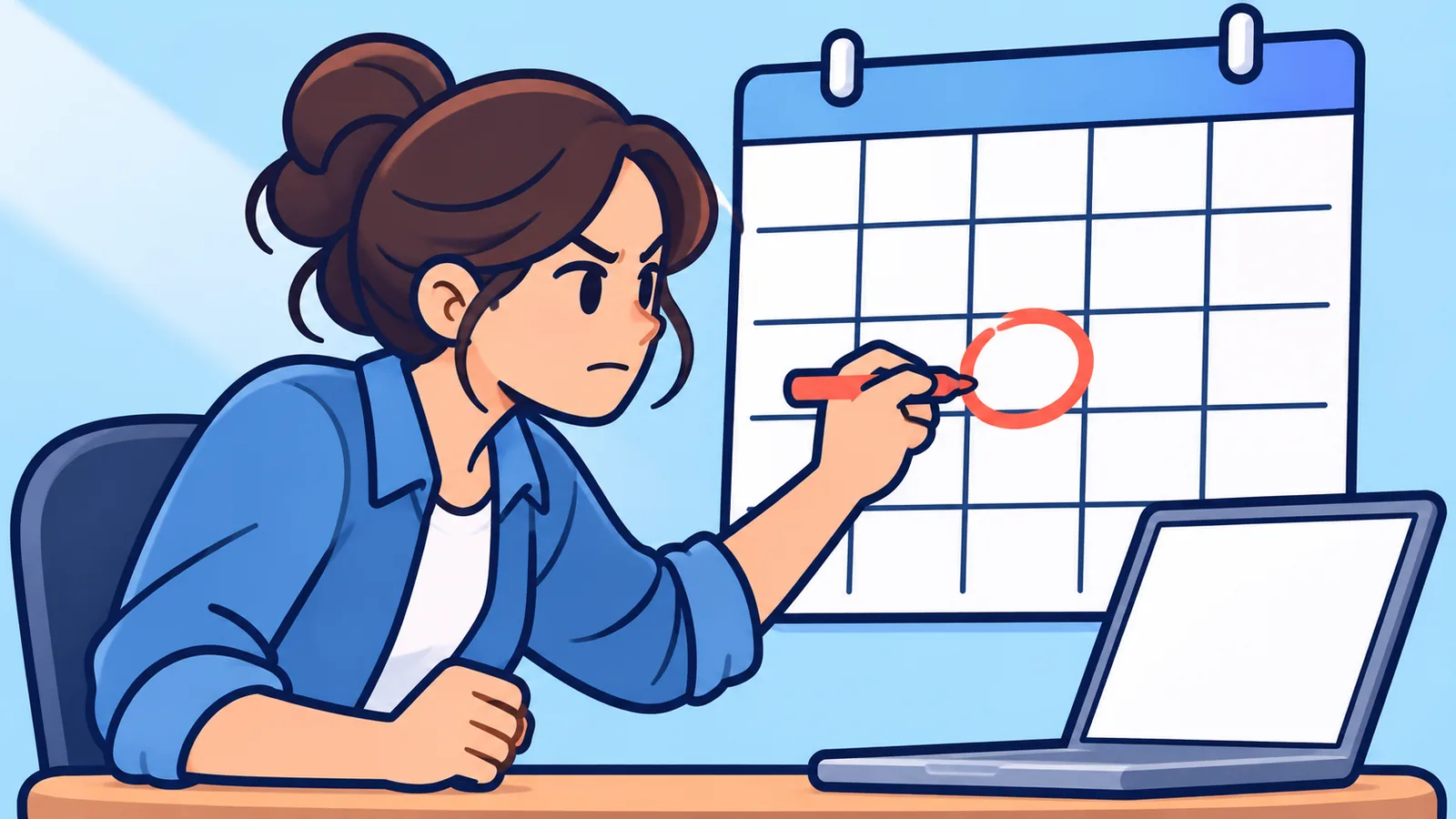
Many guides suggest starting about 8 to 12 weeks before your move. That figure comes from Apartments.com’s relocation advice, so treat it as a guideline rather than a rule.
Local markets and busy seasons can shift the timing. In a fast-moving area, you may need to start earlier or be ready to decide quickly.
What if your move date is flexible?
Then you have room to line up the lease start with your actual arrival. Ask each landlord how far ahead they will hold a unit, and don’t sign for a start date you can’t meet.
What will the move really cost?
[[IMAGE_2]]
Rent is only part of the bill. Budget for utilities, a security deposit, move-in fees, and the cost of getting yourself and your things across the country.
- Monthly rent
- Security deposit
- Application or move-in fees
- Utility setup
- Travel and moving costs
Here’s the catch: deposit and fee limits vary by location. New York City’s rules, for example, are one local case and shouldn’t be assumed to apply where you’re headed, so check your destination’s state and city rules.

How do you pick a neighborhood from far away?
[[IMAGE_3]]
Narrow the list to a few areas first, then test each one against your daily routine. A shorter list makes every later step easier.
Which daily trips should you measure?
Start with work, school, groceries, and transit. Check how you’ll make each trip, not only how far it is, because a short distance can still mean a long ride.

Does the season matter?
It can. The time of year and the availability of short-term rentals may affect what you find, so keep your plan flexible.
How can you tour an apartment you can’t visit?
[[IMAGE_4]]
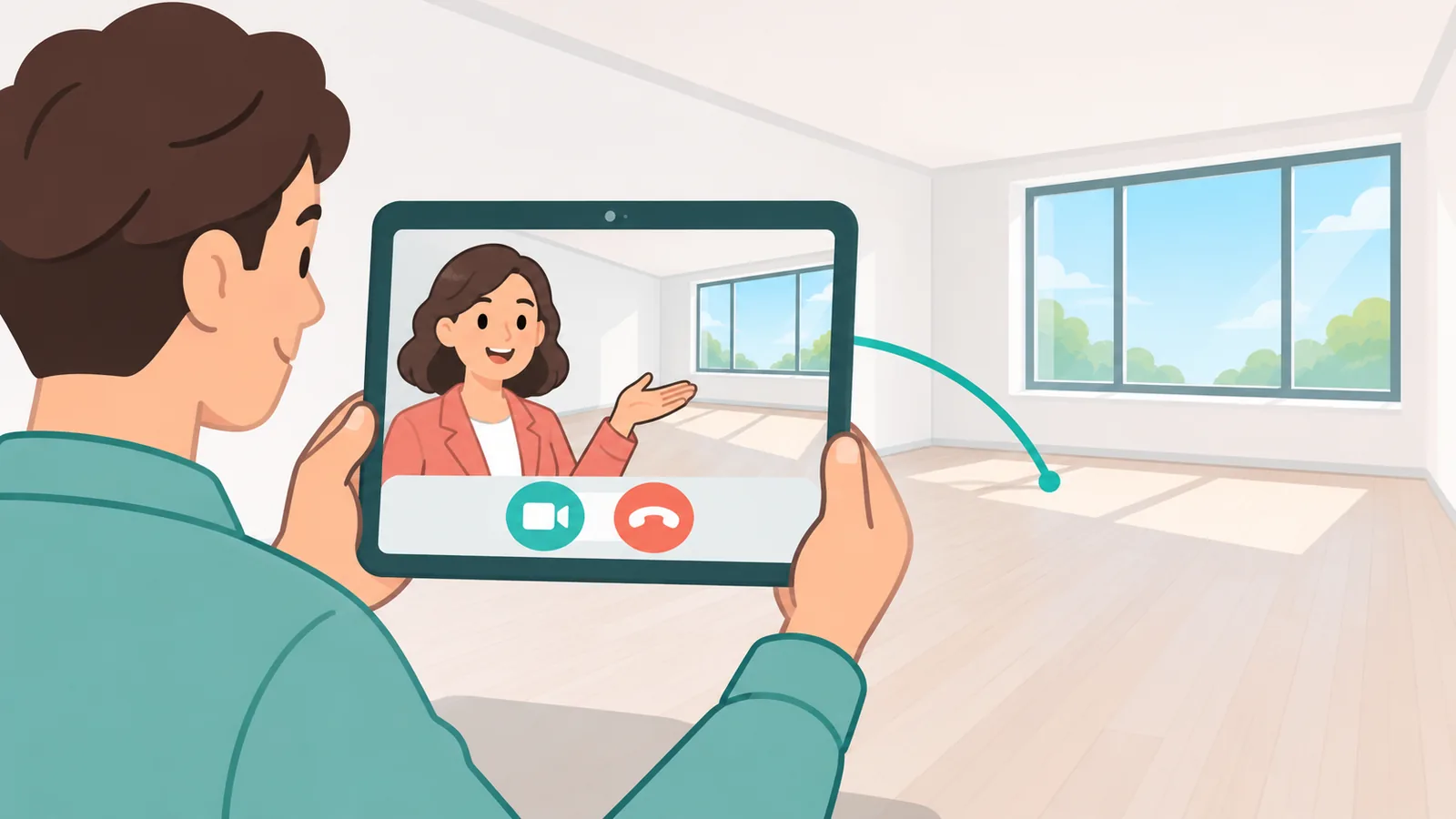
Video and 3D tours help you compare places, but they don’t replace being there. Apartments.com says as much, and the FTC adds that a tour alone doesn’t prove a listing is safe.
If you can’t visit, ask for a live video tour instead of a pre-recorded clip. You can also ask a friend or relative to walk through the unit and send photos, video, and notes.
| Option | Best for | Main limit |
|---|---|---|
| Recorded video or 3D tour | Quick shortlisting | Doesn’t prove the unit is available or accurate |
| Live video tour | Asking questions in real time | Depends on who is holding the camera |
| Friend or family visit | A second opinion and detailed notes | Not a professional inspection |
| In-person trip | Final decision | Costs time and money |
During a live tour, ask the person to show you a few specific things:
- Water pressure in the sink and shower
- Windows and street noise
- Cell signal inside the unit
- Storage and closet space
- The building entrance and common areas

How do you confirm the listing and landlord are real?
[[IMAGE_5]]
Search the address and the management company name together, then look for the same listing on the company’s official website. The FTC recommends this step because scammers can copy real photos and descriptions and swap in their own contact details.
If the listing isn’t on the official site, treat that as a red flag. Contact the company using the phone number or email shown on its website, not the one in the ad.
What are the warning signs?
- A request to pay only by wire transfer, gift card, or cryptocurrency
- Pressure to decide fast
- Requests for sensitive personal information before you apply
- A contact that doesn’t match the official site
🛒 Recommended Product

What paperwork should you have ready?
[[IMAGE_6]]
Gather proof of income, bank statements, and reference contacts before you start applying. Landlords often move quickly, and having everything in one folder keeps you in the running.
- Pay stubs or an offer letter
- Recent bank statements
- Previous landlord or personal references
- Government ID
Ask about application and background check fees upfront, since the rules differ by location. One more point: federal law protects renters from housing discrimination, and state or local laws may add protections, according to HUD.
What should you check in the lease?
[[IMAGE_7]]
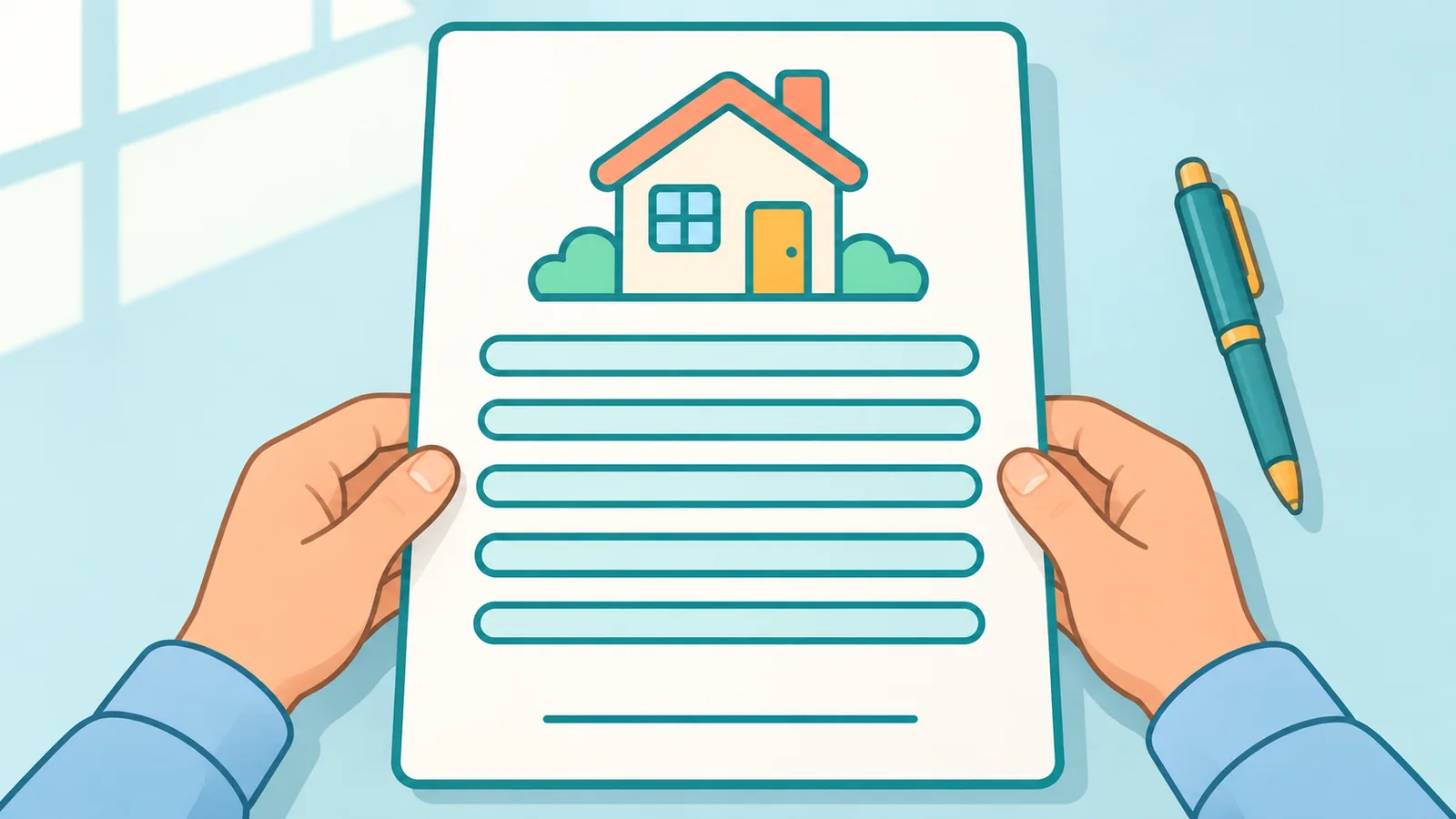
Confirm the basics first, then read the clauses that cost you money or limit your options. NYC’s housing agency lists these as key items to review before signing.
- Rent amount, address, and landlord name
- Which utilities you pay
- Pet and guest rules
- Early termination and renewal terms
- Subletting conditions
- Deposit return terms
Ask for the lease before sending any money, and keep copies of every message with the landlord. If something is unclear, get the answer in writing.

When is a temporary place the smarter first step?
[[IMAGE_8]]
Consider a short-term stay if you can’t tour reliably, or if the market moves too fast to vet a place from afar. Both ApartmentSearch and Apartments.com mention this as an option.
The upside is that you can see neighborhoods in person and then choose with confidence. The downside is that short-term rent and moving twice cost more, and prices and availability depend on the area and season.

Key takeaways
- Start about 8 to 12 weeks out, and treat that as a guideline.
- Match the address with the management company, and confirm the listing on the company’s own site.
- Never pay by wire transfer, gift card, or cryptocurrency alone, and never let anyone rush you.
- Read the lease for utilities, pets, termination, and subletting.
FAQ
[[IMAGE_9]]
Can I sign a lease after only a video tour?
It’s risky. A video can’t prove the unit is available or matches the listing, so combine it with a live tour or a trusted person’s visit and verify the landlord first.
How do I know a rental listing is not a scam?
Search the address and management company together, then find the listing on the company’s official site. Be wary of payment demands by wire, gift card, or cryptocurrency.
Should I pay a deposit before seeing the apartment?
Be very careful. Verify the landlord, get the lease in writing, and avoid paying under pressure.

What documents do landlords usually ask for?
Expect to show proof of income, bank statements, and references. A government ID is also common.
Is it better to rent short-term first?
Sometimes. It works well when you can’t tour reliably or the market is moving fast, though it usually costs more overall.
Your next step today
[[IMAGE_10]]
Pick your top two neighborhoods and write down the three daily trips you’ll measure. Then shortlist five listings and verify each one on the management company’s own website.
Save this checklist and use it for every listing on your shortlist.
References
- Apartments.com: Moving Out of State: How to Start Your Search
- Apartments.com: How to Conduct a Long-Distance Apartment Search
- ApartmentSearch: The Dos and Don’ts of Finding an Apartment in Another State
- FTC: Rental Listing Scams
- NYC Housing Preservation & Development: Apartment Hunting Tips
- HUD: Housing Discrimination Under the Fair Housing Act
Want more comparisons and buying guides?