⚠️ This page connects you to Atovia’s partners and affiliate markets. We may receive a commission from affiliate partners for activities made through these links. Discount offers may change at any time according to policy! Rest assured, there are no additional costs to you! We hope this saves you time in finding the right items!
- 1. What Is Garden-to-Table Cooking?
- 2. Choosing the Right Vegetables and Herbs to Grow
- 3. Preparing Your Garden Soil for Edible Plants
- 4. Planting Schedules and Seasonal Timing
- 5. Watering, Feeding, and Caring for Your Garden
- 6. Harvesting at Peak Flavor and Nutrition
- 7. Simple Garden-Fresh Recipes to Try at Home
- 8. Common Growing Mistakes and How to Fix Them
Growing a garden successfully requires understanding soil preparation, plant selection, watering schedules, and seasonal timing to maximize your harvest. This guide covers everything from choosing the right seeds to harvesting your crops, helping both beginners and experienced gardeners grow thriving plants at home.
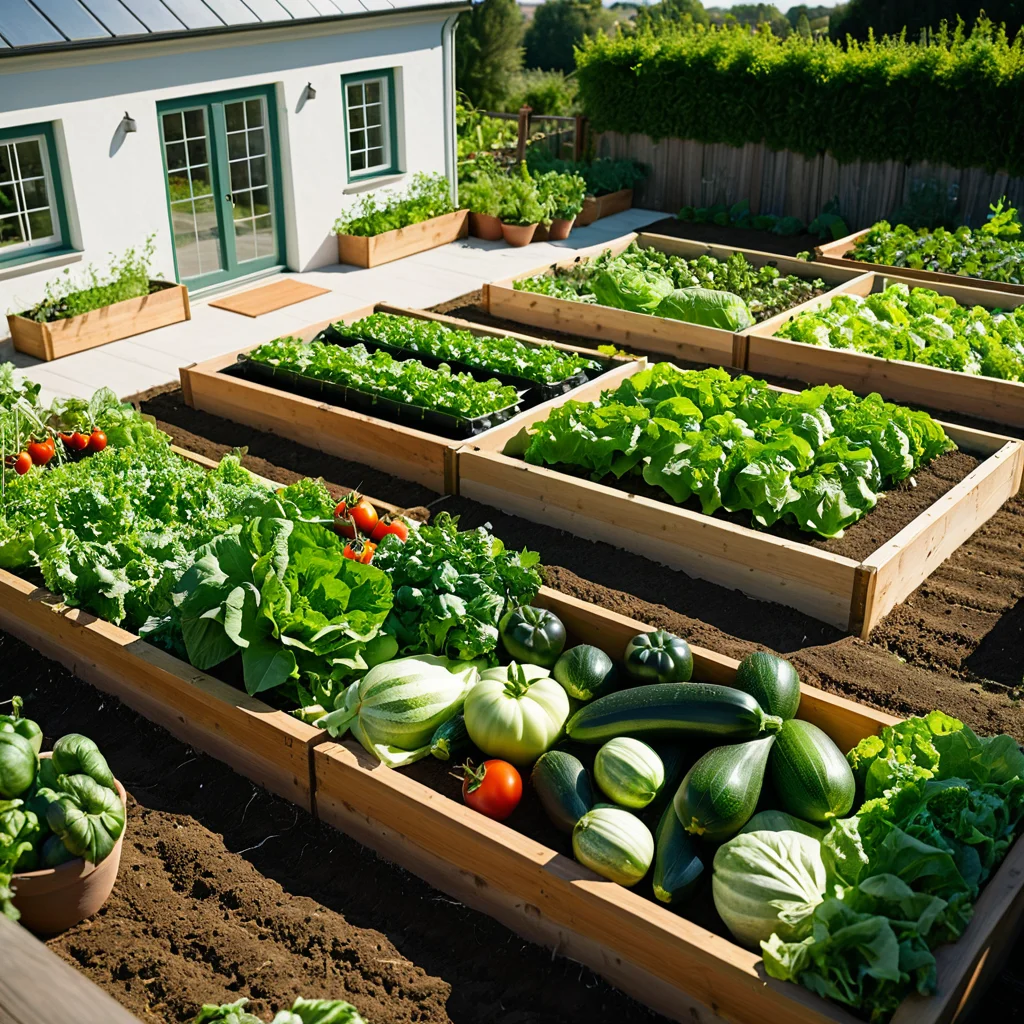
- Start with easy-to-grow vegetables like tomatoes, zucchini, and lettuce for quick results.
- Good soil is the foundation of every successful garden — amend with compost before planting.
- Timing your planting to your local frost dates dramatically improves germination and yield.
- Harvesting at peak ripeness delivers the best flavor for garden-fresh cooking.
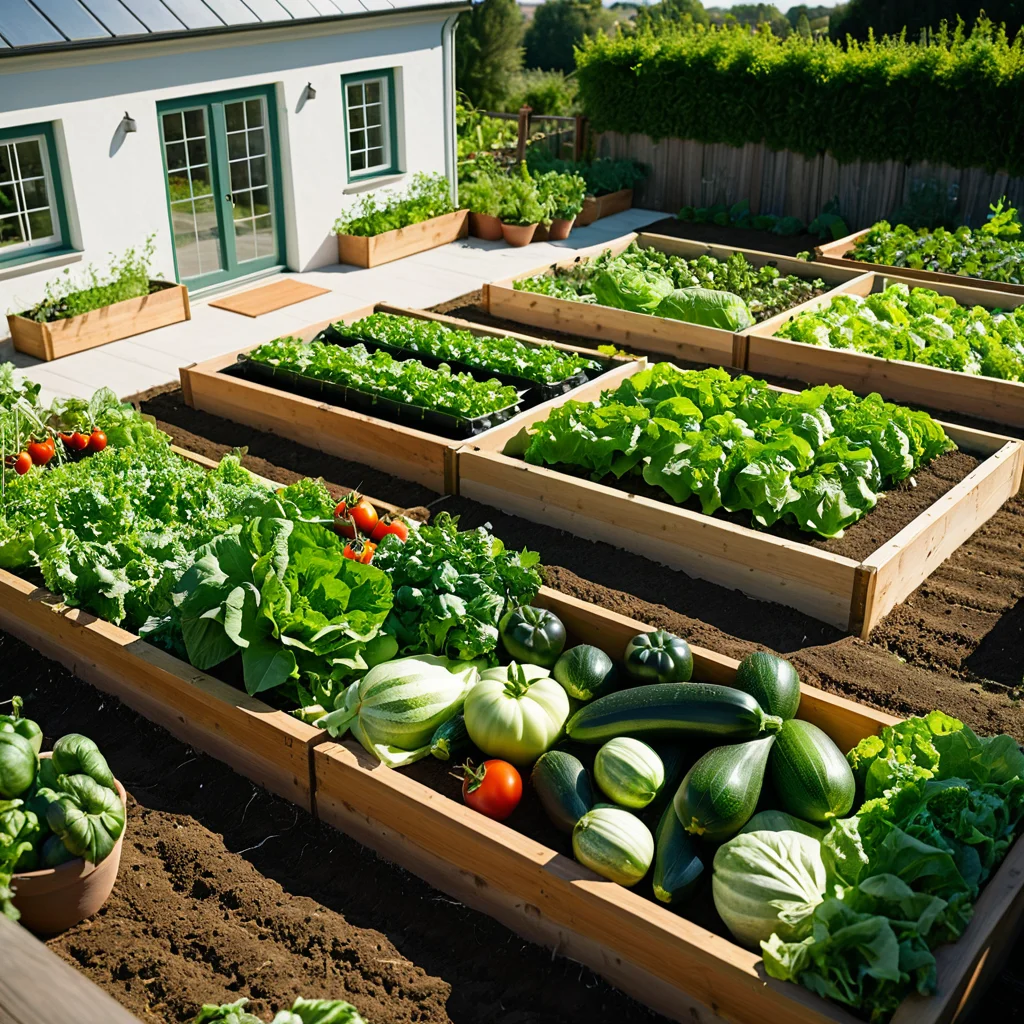
- Even a small raised bed or container garden can produce enough to cook with regularly.
1. What Is Garden-to-Table Cooking?
Garden-to-table cooking is the practice of growing your own fruits, vegetables, and herbs and using them directly in your meals. Unlike produce bought at a grocery store, homegrown ingredients are harvested at peak ripeness, which means richer flavor, higher nutritional value, and zero travel time from soil to plate.
This approach connects you to the full lifecycle of your food. You decide what goes into the soil — no pesticides, no preservatives, no mystery. For home cooks, it transforms meal preparation from a routine task into a rewarding creative process driven by what is ready in the garden that day.
Whether you have a sprawling backyard or a few containers on a balcony, garden-to-table cooking is accessible to anyone willing to invest a little time and attention into growing edible plants.
2. Choosing the Right Vegetables and Herbs to Grow
The best garden starts with the right plant selection for your climate, space, and cooking habits. If you cook Italian food regularly, prioritize basil, tomatoes, and garlic. If you love salads, focus on lettuce, arugula, cucumbers, and radishes. Growing what you actually eat ensures nothing goes to waste.
For beginners, the following plants are reliable, productive, and cook-friendly:
- Tomatoes — versatile for sauces, salads, and roasting; grow well in containers and raised beds.
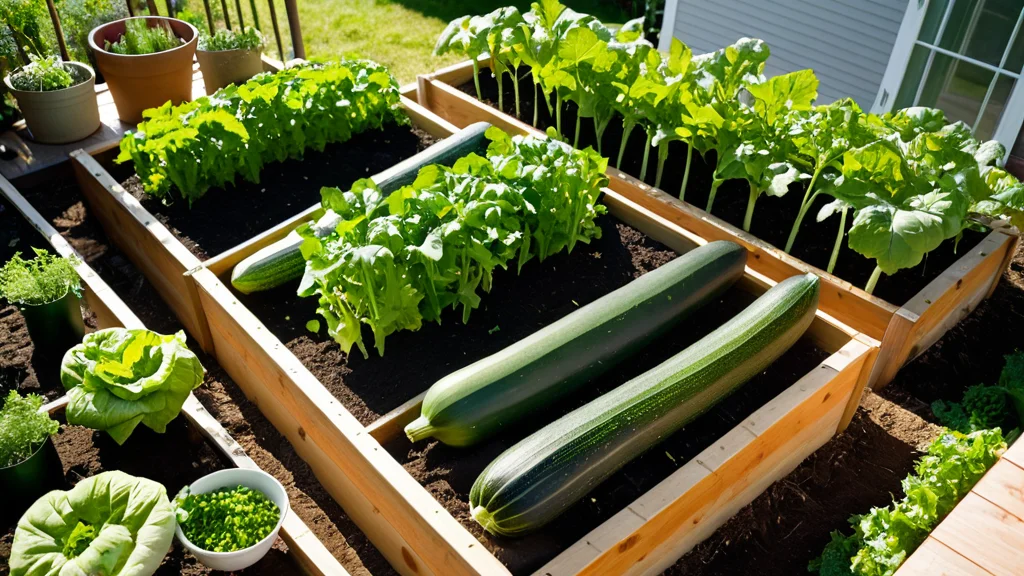
- Zucchini — extremely productive; one or two plants feed a household through summer.
- Green beans — fast-growing and easy to harvest; great for stir-fries and sides.
- Basil, parsley, and chives — compact herbs that thrive in pots and elevate almost any dish.
- Lettuce and spinach — grow quickly, tolerate partial shade, and can be harvested as cut-and-come-again crops.
- Peppers — long season but high reward; excellent raw, roasted, or stuffed.
| Plant | Time to Harvest | Best Use in Cooking |
|---|---|---|
| Tomatoes | 60–80 days | Sauces, salads, roasting |
| Zucchini | 45–55 days | Grilling, sautéing, baking |
| Lettuce | 30–45 days | Fresh salads, wraps |
| Basil | 25–35 days | Pesto, pasta, garnish |
| Green Beans | 50–60 days | Stir-fry, steaming, sides |
| Peppers | 70–90 days | Roasting, stuffing, raw |
3. Preparing Your Garden Soil for Edible Plants

Healthy soil is the single most important factor in a productive edible garden. Most native soils benefit from amendment before planting. The goal is loose, well-draining, nutrient-rich earth that roots can penetrate easily and that retains just enough moisture without becoming waterlogged.
Follow these steps to prepare your soil:
- Test your soil pH. Most vegetables thrive in a pH between 6.0 and 7.0. Inexpensive test kits are available at garden centers.
- Remove weeds and debris. Clear the bed thoroughly before adding amendments to prevent competition.
- Add organic compost. Work 2–4 inches of compost into the top 8–12 inches of soil. Compost improves drainage in clay soils and moisture retention in sandy soils.
- Consider raised beds. If your native soil is poor, raised beds filled with a mix of topsoil, compost, and perlite give you full control over growing conditions.
- Mulch after planting. A 2-inch layer of straw or wood chip mulch retains moisture, regulates soil temperature, and suppresses weeds.
🛒 Recommended Product
4. Planting Schedules and Seasonal Timing
Planting at the right time is critical. The two key reference dates are your last spring frost date and your first fall frost date — both available from your local agricultural extension office or online by ZIP code.
Cool-season crops like lettuce, spinach, peas, and broccoli can be planted 4–6 weeks before your last frost date. They prefer temperatures between 45°F and 65°F and will bolt (go to seed) in summer heat.
Warm-season crops — tomatoes, peppers, cucumbers, squash, and beans — should be planted after all danger of frost has passed and soil temperatures have reached at least 60°F. Starting these indoors 6–8 weeks before transplanting gives you a significant head start on the season.
A succession planting strategy, where you sow small batches of fast-growing crops like lettuce and radishes every two weeks, ensures a continuous harvest rather than a single glut of produce all at once.
5. Watering, Feeding, and Caring for Your Garden
Most vegetable gardens need about 1 inch of water per week, either from rainfall or irrigation. Deep, infrequent watering encourages roots to grow downward, making plants more drought-tolerant. Shallow, frequent watering produces shallow root systems that stress quickly.
Water at the base of plants rather than overhead to reduce the risk of fungal disease on leaves. Drip irrigation or soaker hoses are the most efficient delivery methods and keep foliage dry.
Feed your plants with a balanced vegetable fertilizer every 3–4 weeks during the growing season, or use slow-release granular fertilizer applied at planting time. Avoid over-fertilizing with nitrogen, which produces lush foliage but fewer fruits.
Check plants regularly for common pests such as aphids, caterpillars, and squash vine borers. Hand-pick when possible and use insecticidal soap or neem oil for larger infestations. Companion planting — growing marigolds near tomatoes, for example — naturally deters many common pests.
6. Harvesting at Peak Flavor and Nutrition
Knowing when to harvest is as important as knowing how to grow. Vegetables picked at peak ripeness deliver maximum flavor and nutritional density. Many gardeners wait too long, resulting in overripe, seedy, or woody produce that is less pleasant to cook with.
Here are general harvest indicators for common crops:

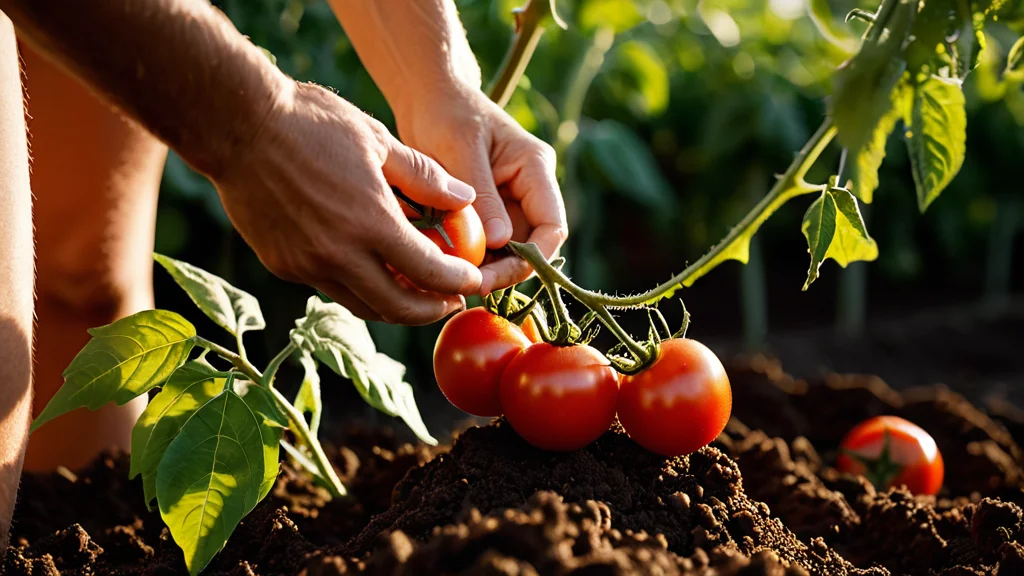
- Tomatoes: Fully colored, slightly soft to the touch, and separating easily from the vine.
- Zucchini: Best harvested at 6–8 inches long; larger squash becomes bland and seedy.
- Lettuce: Harvest outer leaves continuously or cut the whole head before it bolts.
- Basil: Pinch leaves before flowers form; once basil flowers, leaf flavor diminishes.
- Peppers: Green peppers are mature but not fully ripe; leaving them longer develops red, orange, or yellow color and sweeter flavor.
- Green beans: Snap off when pods are firm and before seeds inside bulge visibly.
Harvest in the morning when temperatures are cool and plant sugars are highest. Use clean scissors or pruning shears rather than tearing, which can damage the plant and introduce disease.
7. Simple Garden-Fresh Recipes to Try at Home
Once your garden starts producing, the kitchen becomes an extension of the growing space. The best garden-fresh recipes celebrate ingredients simply, allowing peak-season flavor to lead.

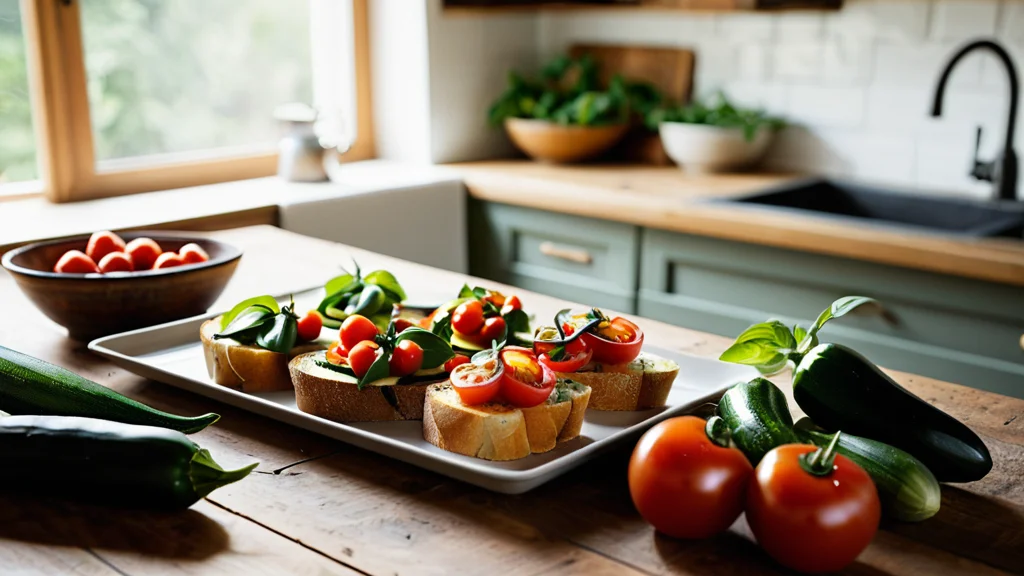
Garden Tomato and Basil Bruschetta — Dice ripe tomatoes, toss with fresh basil, minced garlic, olive oil, salt, and pepper. Spoon over toasted bread. The entire recipe takes under 10 minutes and showcases your harvest perfectly.
Zucchini Fritters — Grate two medium zucchini, salt and drain excess moisture, then mix with one egg, a handful of flour, and chopped herbs. Pan-fry in olive oil until golden. Serve with yogurt and fresh chives.
Simple Garden Salad with Herb Vinaigrette — Combine freshly picked lettuce, cucumber slices, and whatever herbs are ready. Whisk together olive oil, lemon juice, Dijon mustard, salt, and chopped parsley for a bright dressing that complements any mix of greens.
Roasted Pepper and Tomato Sauce — Halve peppers and tomatoes, roast at 400°F until caramelized, then blend with garlic and olive oil. Toss with pasta or use as a pizza base. This sauce freezes well, letting you preserve a garden glut for winter meals.
The simplest rule in garden-to-table cooking is this: the better your ingredients, the less you need to do to them. Let freshness lead and keep preparation minimal.
8. Common Growing Mistakes and How to Fix Them
Even experienced gardeners make mistakes. Recognizing and correcting problems early keeps your garden productive through the season.
- Planting too early. Cold soil stunts root development and stresses transplants. Wait until soil temperature consistently reaches 60°F for warm-season crops.
- Overwatering. Yellowing leaves and soggy soil are signs of too much water. Let the top inch of soil dry out between waterings and ensure beds have proper drainage.
- Crowding plants. Planting too close together reduces airflow, invites disease, and creates competition for nutrients. Always follow spacing guidelines on seed packets.
- Skipping mulch. Unmulched beds dry out faster, grow more weeds, and experience greater soil temperature swings. Apply mulch immediately after planting.
- Ignoring pests until damage is severe. Scout your garden weekly. Catching pest problems early — a handful of aphids or a single caterpillar — is far easier than managing a full infestation.
- Not harvesting regularly. Leaving ripe vegetables on the plant signals it to stop producing. Harvest frequently to keep plants in active fruiting mode.