⚠️ This page connects you to Atovia’s partners and affiliate markets. We may receive a commission from affiliate partners for activities made through these links. Discount offers may change at any time according to policy! Rest assured, there are no additional costs to you! We hope this saves you time in finding the right items!
Cooking feels harder than it should when ingredients are messy, wet, or unevenly cut. Ever bought produce with good intentions, then watched it wilt in the fridge? With a few prep habits, meals get faster, safer, and noticeably better—without needing fancy tools.
🛒 Recommended Product
Why Ingredient Prep Matters
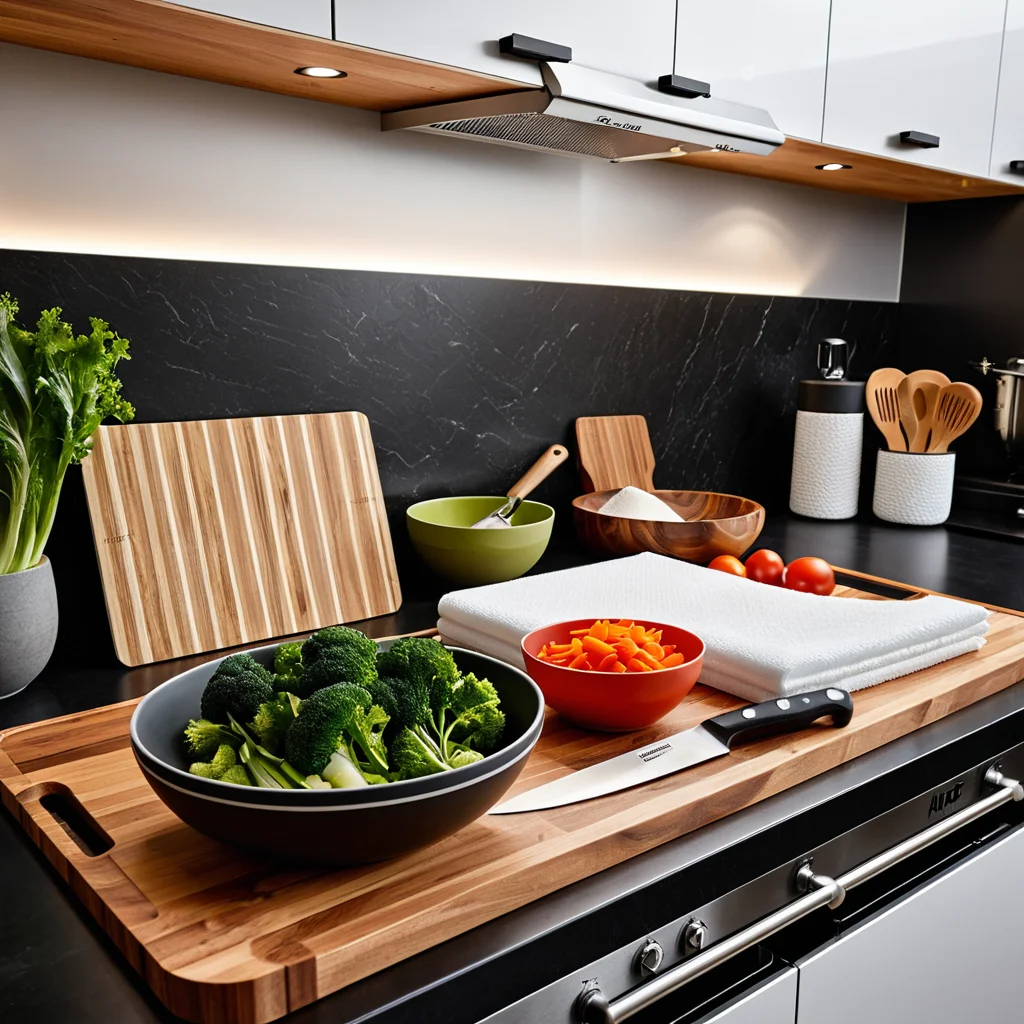
Ingredient prep is the quiet step that determines the entire cooking experience. When ingredients are clean, dry, and cut to consistent sizes, heat distributes evenly and food tastes more balanced. It also reduces waste: trimmed ends, usable stems, and properly stored leftovers help groceries last longer.
- Speed: Fewer interruptions once the pan is hot.
- Safety: A cleaner workflow lowers the risk of cross-contamination.
- Quality: Even cuts cook evenly; drier surfaces brown better.
Section takeaway: Good prep turns “cooking” into simple assembly and timing.
Basic Safety Rules Before You Start

Start with a setup that makes the safe choice the easy choice. Wash hands with soap and water before handling food and after touching raw meat or seafood. Use separate cutting boards (or wash and sanitize between tasks) so raw protein juices never touch ready-to-eat foods.
- Clean and dry surfaces: Wipe counters, then dry—moisture helps microbes spread.
- Tool order: Prep vegetables and ready-to-eat items first, raw proteins last.
- Cold chain: Keep raw meat and seafood chilled; prep in small batches if the room is warm.
- Rinse wisely: Rinse produce under running water; avoid soaking everything together in a shared basin.
- Separate raw protein tools from produce tools.
- Keep it cold: Raw meat and seafood stay in the fridge until needed.
- Dry after washing to improve browning and reduce slip risk.
Section takeaway: A clean workflow is more reliable than trying to fix mistakes later.
Source: Ministry of Food and Drug Safety, 2023
Vegetable Prep Step by Step

Vegetables prep best when you treat “clean” and “dry” as two separate steps. Washing removes soil and residues; drying prevents soggy salads and helps stir-fries sear instead of steam.
1) Wash (running water, gentle rubbing)
- Leafy greens: Separate leaves, rinse under running water, and check folds where grit hides.
- Firm vegetables (cucumbers, zucchini, carrots): Rinse and rub the surface with clean hands; use a brush for rough skins if needed.
- Mushrooms: Give a quick rinse or wipe with a damp towel; do not soak.
2) Dry (paper towels or a clean towel)
- Salads: Dry thoroughly so dressing clings instead of sliding off.
- Stir-fry/roast: Drying improves caramelization and prevents oil splatter.
3) Peel or trim (only what you need)
- Trim bruised spots, tough stems, or dry ends.
- Keep edible parts: Broccoli stems, herb stems, and many “tops” can be sliced thin and cooked.
4) Cut for the cooking method
- Even sizes: The largest piece controls the cooking time.
- Quick-cook dishes: Thinner slices cook faster and more evenly.
- Soups/stews: Larger chunks hold their shape better.
Section takeaway: Wash, then dry, then cut—this order keeps texture and flavor intact.
Source: Ministry of Agriculture, Food and Rural Affairs, 2022
Meat & Seafood Prep Basics
With proteins, the goal is precision and cleanliness. Focus on trimming, patting dry, and proper storage—these three steps solve most beginner problems.
Meat (chicken, pork, beef)
- Pat dry: Use paper towels; drier meat browns better and splatters less.
- Trim smart: Remove obvious sinew or thick fat caps if they won’t render in your cooking time.
- Portion first: Divide into meal-size packs before seasoning or freezing.
- Do not wash raw meat: Splashing spreads bacteria around the sink; instead, cook thoroughly and clean the station well.
Seafood (fish, shrimp, shellfish)
- Check for bones: Run fingers over fillets; remove pin bones with clean tweezers.
- Shrimp deveining: Slice the back shallowly, remove the vein, rinse quickly, and pat dry.
- Odor control: Keep cold, work fast, and store sealed; strong smells often come from warmth and exposure.
| Item | Meat | Seafood |
|---|---|---|
| Prep priority | Pat dry + trim + portion | Keep cold + check bones + dry |
| Common issue | Overcrowded pan → steaming | Fishy odor from warm handling |
| Best workflow | Separate board, sanitize after | Work fast, seal and refrigerate |
| Storage tip | Meal-size packs, label dates | Use quickly, store very cold |
Section takeaway: For proteins, cold + dry + a clean station beats complicated tricks.
Source: Ministry of Food and Drug Safety, 2023
Common Prep Mistakes to Avoid
If your meals feel inconsistent, it’s usually one of these. Don’t aim for perfection—aim for repeatable habits.
- Cutting everything into random sizes: Small pieces overcook while large pieces stay raw.
- Skipping drying after washing: Sauces slide off and pans steam instead of sear.
- Using one board for everything: Cross-contamination risk rises quickly.
- Leaving protein out too long: Prep in short bursts and refrigerate between steps.
- Storing wet produce sealed: Moisture speeds spoilage—dry first, then store.
Section takeaway: Fix the workflow, and results improve even with the same recipe.
Conclusion: Prep Once, Cook Smarter
If cooking has felt tiring, start by upgrading the first five minutes. Keep a clean station, separate tools for raw proteins, and remember the simple sequence: wash, dry, cut, portion, store. Try one change this week—like drying vegetables before cooking—and you’ll notice the difference immediately.
- Quick win: Dry produce before stir-frying or roasting.
- Safety win: Prep veggies first, proteins last, sanitize in between.
- Time win: Portion proteins into meal-size packs right after purchase.
Need more information?