⚠️ This page connects you to Atovia’s partners and affiliate markets. We may receive a commission from affiliate partners for activities made through these links. Discount offers may change at any time according to policy! Rest assured, there are no additional costs to you! We hope this saves you time in finding the right items!
- 1. Why Exfoliation Matters for Healthy Skin
- 2. Identify Your Skin Type Before Exfoliating
- 3. Physical vs Chemical Exfoliation Explained
- 4. Safe At-Home Exfoliation Methods Step-by-Step
- 5. Common Mistakes That Damage the Skin Barrier
- 6. Aftercare: How to Lock in Results
- 7. Conclusion: Build Your Personal Exfoliation Routine
Is your makeup clinging to dry patches, or does your skin feel rough no matter how much you moisturize? At-home exfoliation can help—but only when it’s done gently, with the right method for your skin.
🛒 Recommended Product
Why Exfoliation Matters for Healthy Skin
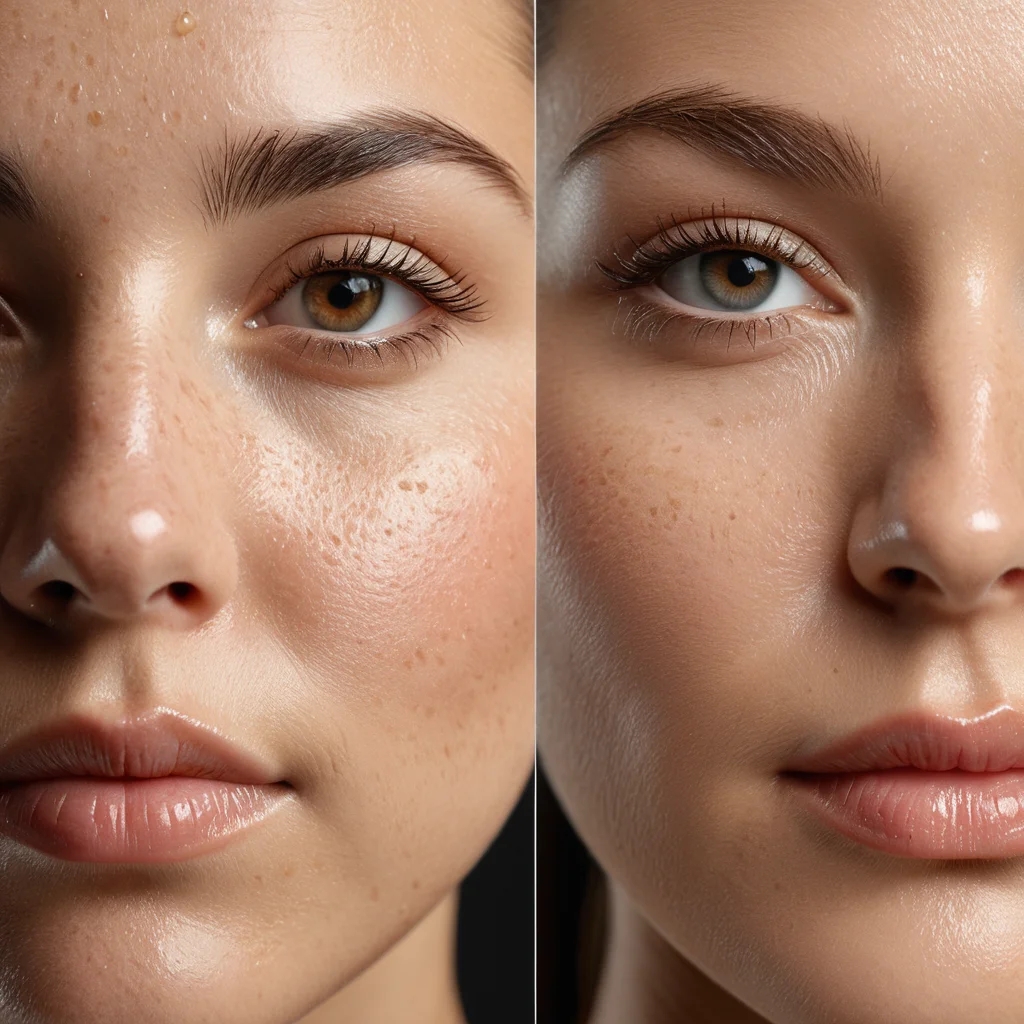
Dead skin buildup can make skin look dull, feel bumpy, and cause products to sit on top instead of absorbing well. Strategic exfoliation supports a smoother surface and a more even-looking tone. The key is balance: remove what’s ready to shed, without stressing the skin barrier. When exfoliation is too aggressive, the skin may respond with redness, tightness, stinging, or sudden breakouts.
Identify Your Skin Type Before Exfoliating
Exfoliation “rules” change depending on your skin type. Use this quick map:
- Oily / combination: Often tolerates exfoliation better, but overdoing it can trigger more oil or irritation.
- Dry: Needs fewer sessions and a stronger focus on moisturization before and after.
- Sensitive: Choose the gentlest options and extend the time between sessions.
- Acne-prone: Avoid harsh scrubs; prioritize gentle chemical options and consistent aftercare.
Baseline check: If your skin stings when applying a basic moisturizer, repair barrier dryness first before exfoliating.
- Skin type determines frequency more than “popular routines” do.
- Barrier first: stinging or tightness means pause exfoliation.
- Less is more: steady, gentle sessions beat one “deep” session.
Physical vs Chemical Exfoliation Explained

Two approaches dominate at-home exfoliation:
- Physical exfoliation (scrubs, cleansing brushes, peeling gels): removes dead skin through friction.
- Chemical exfoliation (AHA/BHA/PHA): loosens the bonds between dead cells so they shed more evenly.
For many people, chemical exfoliation tends to be more predictable when used correctly, while physical exfoliation requires extra caution to avoid micro-irritation.
| Category | Physical Exfoliation | Chemical Exfoliation |
|---|---|---|
| How it works | Friction lifts dead skin | Acids dissolve the “glue” between cells |
| Best for | Occasional rough patches | Dullness, clogged pores (by type) |
| Risk | Over-scrubbing, irritation | Overuse, sensitivity if too strong |
| Beginner-friendly | Only if very gentle | Yes, start low and slow |
Source: Ministry of Food and Drug Safety (MFDS), 2023
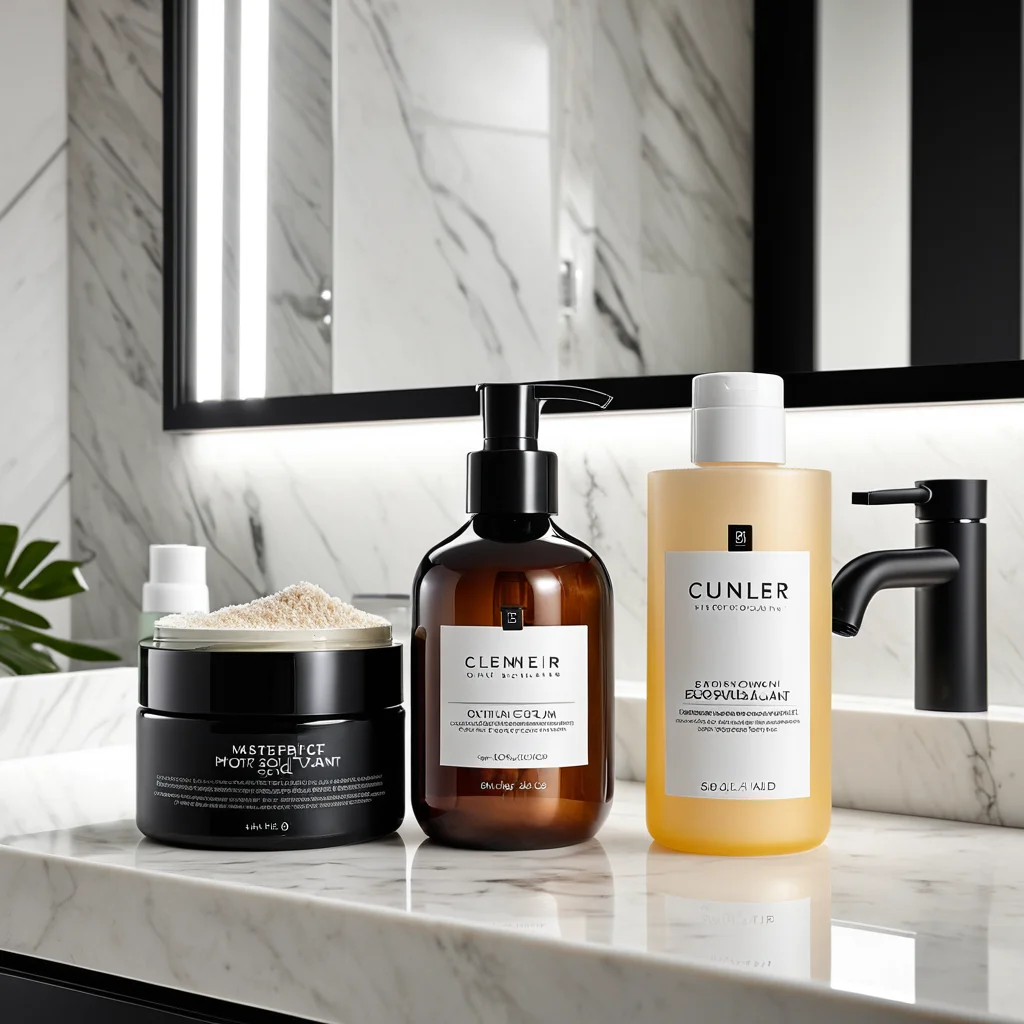
Safe At-Home Exfoliation Methods Step-by-Step

Method A: Gentle chemical exfoliation (beginner standard)
- Cleanse with a mild, non-stripping cleanser.
- Apply a low-strength exfoliant (AHA/PHA for surface texture, BHA for oily or clog-prone skin).
- Wait 1–2 minutes, then follow with a basic moisturizer.
- Use 1–2 nights per week at first; increase only if skin remains calm.
Method B: Soft physical exfoliation (only if your skin tolerates it)
- Use a very gentle product with no sharp grains. Keep pressure light.
- Massage for 10–20 seconds maximum, then rinse thoroughly.
- Moisturize immediately.
- Limit to once per week, or less for sensitive or dry skin.
Quick tip (real talk): If you’re unsure, choose the gentlest chemical option and go slowly. You can always increase frequency later, but recovering from irritation takes much longer.
Common Mistakes That Damage the Skin Barrier
These patterns most often lead to “my skin got worse” experiences:
- Exfoliating daily, especially with acids, before your skin adapts.
- Stacking actives on the same night (exfoliant + retinoid + strong vitamin C).
- Scrubbing until skin feels squeaky—that tight feeling signals stress, not cleanliness.
- Skipping sunscreen while exfoliating regularly.
If you notice redness, burning, flaking, or sudden sensitivity, stop exfoliating for a week, simplify your routine, and focus on moisturization.
Aftercare: How to Lock in Results

Exfoliation is only half the job. Aftercare protects the barrier so results actually show.
- Moisturize: Apply a simple cream or lotion immediately after exfoliation.
- Sun protection: Daily SPF is non-negotiable if you exfoliate regularly.
- Keep it simple: On exfoliation nights, skip fragranced products and unnecessary actives.
Quick tip: If your skin feels warm after exfol