
⚠️ This page connects you to Atovia’s partners and affiliate markets. We may receive a commission from affiliate partners for activities made through these links. Discount offers may change at any time according to policy! Rest assured, there are no additional costs to you! We hope this saves you time in finding the right items!
- 1. What Does It Mean to Love Someone?
- 2. Can You Learn How to Love Someone?
- 3. Learn How They Feel Loved
- 4. Say What You Need Out Loud
- 5. Listen So They Feel Understood
- 6. Keep Connecting Through Everyday Conversation
- 7. Disagree Without Damaging the Relationship
- 8. Respect Boundaries, Including Physical Ones
- 9. When Love Hurts: Signs You Need Help
- Weekly Reflection Checklist
- Frequently Asked Questions
- References
Love is more than a feeling. It also shows up in how you treat someone day to day. Many of the habits in this guide can be practiced: saying what you need, listening well, handling disagreements with respect, and checking before you touch. This article walks through nine of them, with examples you can try this week, and ends with a clear line: love never justifies control or harm.
- Love feels different for different people, and no single feeling proves it.
- Ask your partner what makes them feel cared for instead of guessing.
- Say your own needs out loud so your partner does not have to read your mind.
- Listening well means understanding, not necessarily agreeing.
- Constructive disagreements protect a relationship better than yelling, insults, or shutting down.
- Always check before touch or affection, and respect the answer.
- Love and jealousy never justify controlling or harming a partner.
1. What Does It Mean to Love Someone?
In short: love is a mix of feeling and behavior, and it looks different from person to person.
Attraction and romantic feelings vary widely, and a person’s past experiences and relationship history can shape how those feelings develop (Healthline). That is why excitement alone is a poor measure. Butterflies, jealousy, or a strong wish to be near someone do not, by themselves, prove love or show that a relationship is healthy.
Some possible signals of love include feeling compassion for a person and wanting to know them better. Treat these as signals, not a test. No single feeling settles the question, and this list is not a self-diagnosis.
Love in Everyday Behavior
The practical side of love is how you act: how you speak when you are tired, whether you listen when the topic is hard, and whether you respect a “no.” The sections below focus on those behaviors.

2. Can You Learn How to Love Someone?
In short: you cannot force a feeling, but you can practice habits that help a relationship feel caring and safe.
Many of the habits in this guide can be practiced: saying your needs aloud and listening well (HelpGuide), helping a partner feel understood, cared for, and valued (APA podcast), and noticing your own feelings and needs (Gottman Institute).
Start With Your Own Feelings
The Gottman Institute’s practical guidance suggests becoming aware of your own feelings and needs. If you cannot name what you want or what is bothering you, it is hard to share it kindly. A simple practice: before a hard conversation, finish this sentence privately: “Right now I feel ___, and what I need is ___.”
3. Learn How They Feel Loved
In short: people show and receive love in different ways, so observe and ask instead of assuming.
Psychology Today describes how people can express love differently. One person may care most about practical help, while another may care more about spoken affection (Psychology Today). Use this as a conversation starter, not a label. Nobody has to fit one fixed type.
How to Find Out
- Observe: notice what your partner does for others and what they light up about.
- Ask: “What makes you feel cared for?” or “What kind of day-to-day support helps most right now?”
- Try and check in: offer something specific, then ask how it landed.

One important limit: learning what your partner prefers does not make you responsible for their mood at all times. You can care without carrying every feeling for them.
4. Say What You Need Out Loud
In short: do not expect your partner to guess.
HelpGuide notes that stating directly what help or affection you want reduces misunderstandings and resentment, compared with hoping your partner will figure it out (HelpGuide).
Example Phrases
These are illustrative examples, not quotes from any source:
- Example: “I’d really like a hug after work today.”
- Example: “Could you take over dinner tonight? I’m worn out.”
- Example: “I miss talking with you. Can we take twenty minutes tonight with our phones away?”
A request is not a demand. Your partner can say yes, no, or “Can we do part of that?” Asking clearly and accepting the answer keeps the exchange respectful.
5. Listen So They Feel Understood
In short: good listening is about attention, not agreement.
According to HelpGuide, good listening means focusing on what the other person is saying and helping them feel understood. It does not require you to agree or change your mind (HelpGuide).
Why Responsiveness Matters
APA researcher Richard Slatcher describes responsiveness, meaning a partner feeling understood, listened to, cared for, and valued, as an important element of close relationships. One study discussed in an APA interview reported that people who rated their partner as highly responsive were less emotionally reactive to everyday stress ten years later. This comes from an interview summary of research and is not a promise that the same will happen in every relationship (APA).
🛒 Recommended Product
A Simple Way to Practice
- Put your phone down and face your partner.
- Let them finish a full story before you respond.
- Reflect back what you heard: “It sounds like the meeting left you feeling overlooked.”
- Hold off on fixing or defending until they say they are done.
6. Keep Connecting Through Everyday Conversation
In short: regular talk, including personal topics, helps couples stay connected.
The APA explains that regular conversations, including those about personal topics, help partners maintain connection (APA).

Small Habits to Try
These are practical examples, and no claim is made about what they will cause:
- Say thank you for something specific your partner did.
- Stay curious: ask a follow-up question about their day, a worry, or something they are looking forward to.
- Check in: “How are you doing with everything lately?”
7. Disagree Without Damaging the Relationship
In short: conflict is normal. How you handle it matters.
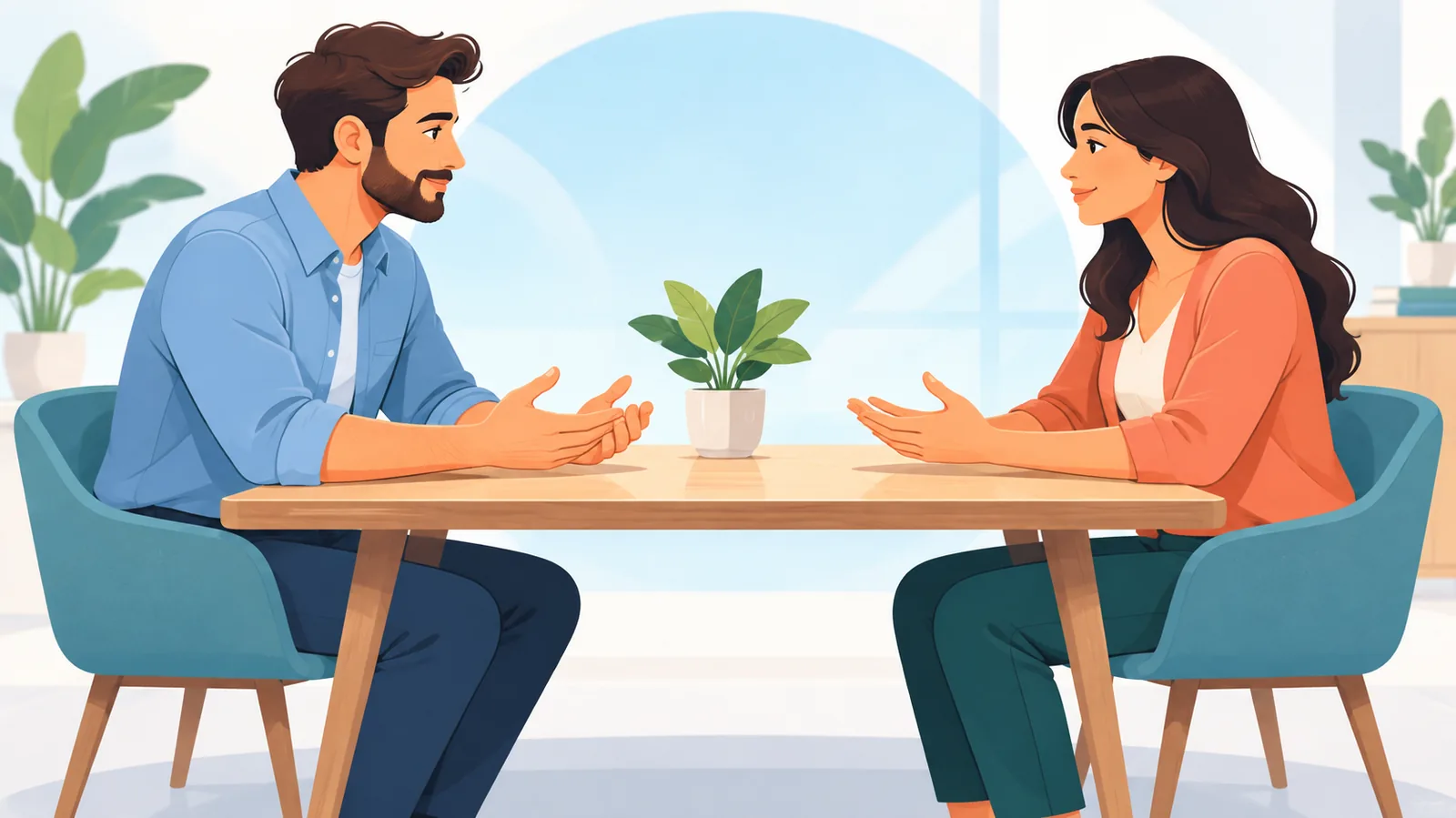
The APA notes that disagreements can happen in any relationship. A more constructive approach is to listen to the other person’s point of view and try to understand their feelings. The APA also explains that destructive fighting styles, such as yelling, personal attacks, or withdrawing from the conversation, are more closely linked to breakups than constructive fighting (APA).
| Moment in a Disagreement | Destructive Response | Constructive Response |
|---|---|---|
| Tone | Yelling or raising your voice to win | Speaking calmly, even when upset |
| Focus | Personal attacks on who your partner is | Describing the specific issue and how it affects you |
| Engagement | Withdrawing or going silent | Staying in the conversation, or asking for a break and a time to return |
| Understanding | Waiting for your turn to talk | Hearing their view and acknowledging their feelings |
Taking a break is fine. The difference is saying, “I need twenty minutes, then I want to come back to this,” rather than disappearing.
8. Respect Boundaries, Including Physical Ones
In short: affection is welcome only when your partner welcomes it.
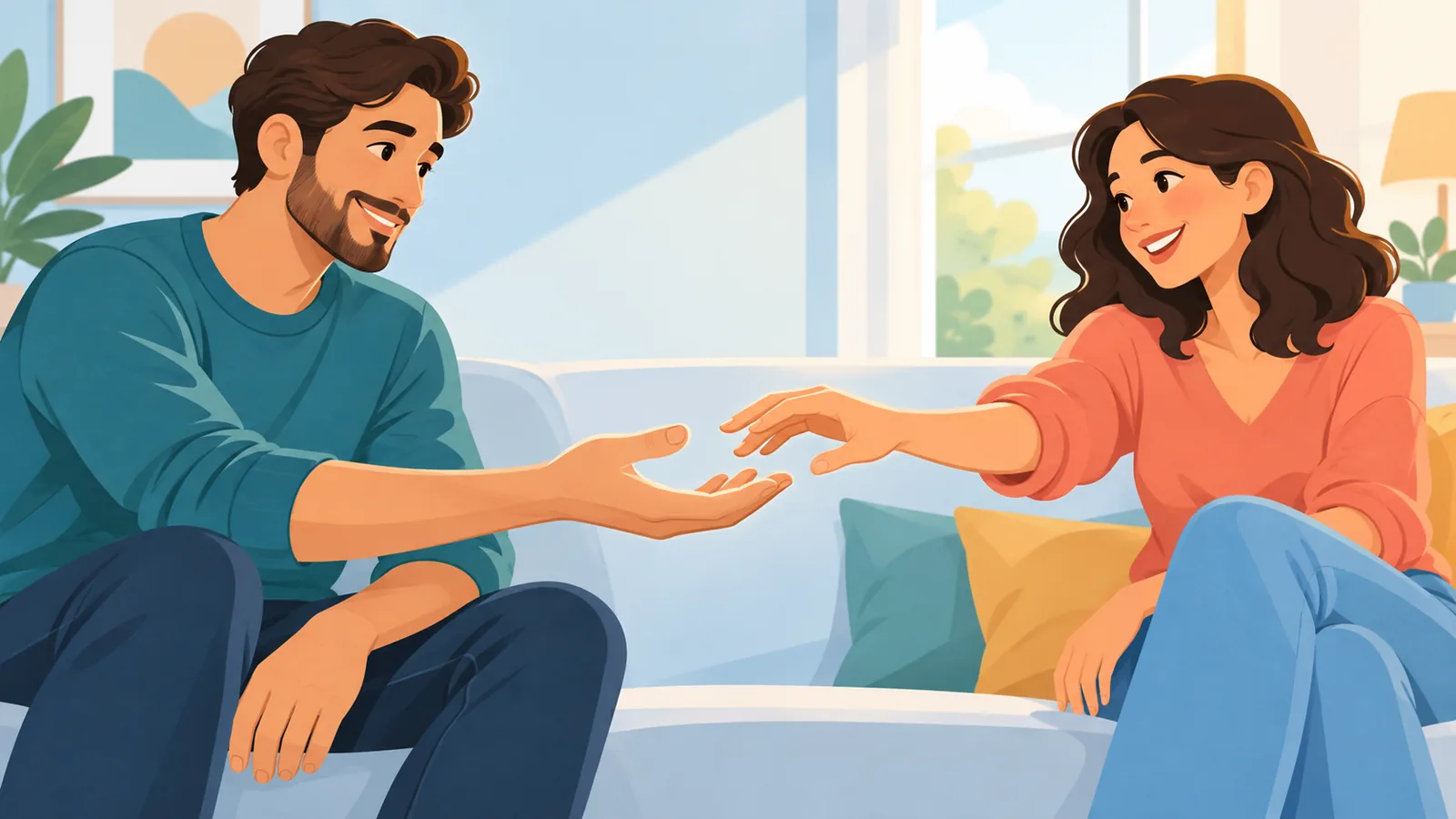
HelpGuide’s guidance is clear that you should not use unwanted physical contact to show affection. Check your partner’s preferences and respect their answer (HelpGuide). The Gottman Institute also suggests practicing acceptance when a partner asks for space or sets limits on a conversation (Gottman Institute).
Easy Ways to Check
- Example: “Do you want a hug right now, or would you rather have some space?”
- Example: “I’d like to talk about this tonight. Is now okay, or is later better?”
- If the answer is “not now,” accept it without pressure or guilt.
9. When Love Hurts: Signs You Need Help
In short: love, jealousy, and conflict never justify harm or control.
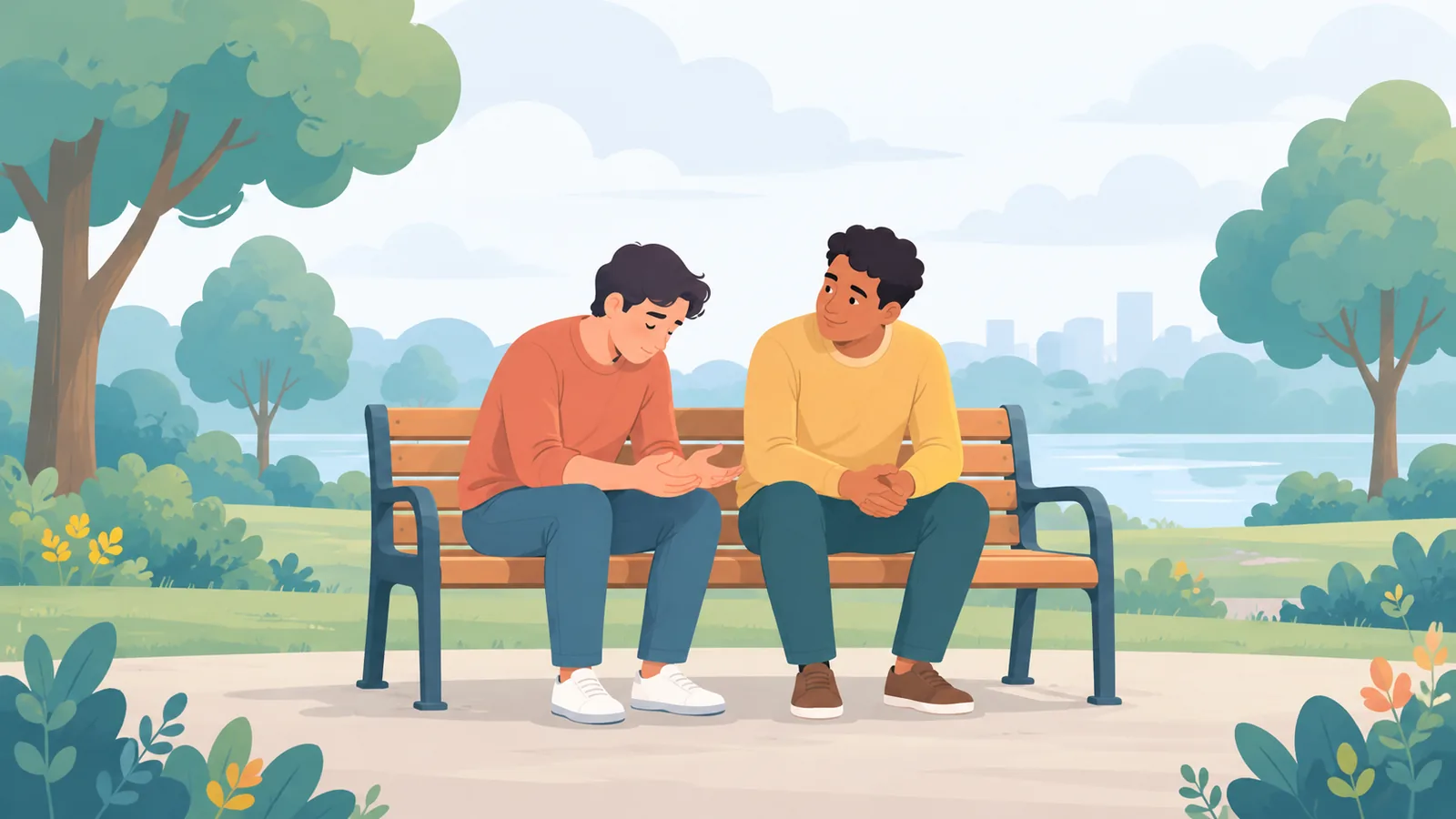
The APA states that love or jealousy does not justify hurting or controlling a partner, and it recommends seeking help when hurtful behavior keeps repeating (APA). Combined with the guidance on touch above, this means no argument, hurt feeling, or strong emotion makes violence, surveillance, coercion, or unwanted touch acceptable.
Reasons to Reach Out for Support
- Hurtful behavior keeps happening, whether it comes from you or from your partner.
- One partner controls or monitors the other, or pressures them to do things they do not want to do.
- Arguments regularly involve fear, threats, or harm.
If any of this fits, consider talking with a trusted person or a qualified professional. If you are in immediate danger, contact your local emergency services.
These are reflection prompts for you. They are not a score or a diagnosis.
- Did I ask what made my partner feel cared for this week?
- Did I say one need out loud instead of hoping they would guess?
- Did I listen to one full story without trying to fix it or win?
- When we disagreed, did I avoid yelling, personal attacks, and shutting down?
- Did I check before affection or touch, and accept the answer?
Frequently Asked Questions
Is love the same as attraction or excitement?
Not necessarily. Attraction and romantic feelings vary from person to person and can be shaped by past experiences (Healthline). Excitement can be part of love, but it does not prove love or a healthy relationship on its own.
How do I find out how my partner wants to be loved?
Watch what they appreciate and ask directly, for example, “What makes you feel cared for?” Then try something specific and check in about how it felt (Psychology Today).
What if my partner and I express love differently?
That is common. One person may lean toward practical help and another toward kind words. Talk about it openly, and try meeting in the middle by offering each other a bit of what matters to the other. You do not have to match perfectly, and you are not responsible for your partner’s mood at all times.
Is jealousy a sign of love?
No. Jealousy is not proof of love, and it never excuses controlling or harmful behavior. Love and jealousy do not justify hurting or controlling a partner (APA), and a single strong feeling cannot settle whether a relationship is healthy (Healthline).
When should I seek outside help?
Consider reaching out when hurtful behavior repeats, when one person controls or frightens the other, or when you keep having the same painful conflict and cannot move forward. Support from a trusted person or a qualified professional can help (APA).
Ready to put this into practice? Pick one habit from this guide, such as asking one caring question or saying one need out loud, and try it this week.
References
- Healthline, “How to Tell If You Love Someone — and What to Do”: https://www.healthline.com/health/relationships/how-do-you-know-you-love-someone
- American Psychological Association, “Happy couples: How to keep your relationship healthy”: https://www.apa.org/topics/marriage-relationships/healthy-relationships
- HelpGuide, “Healthy Relationship Tips: How to Have a Good Relationship”: https://www.helpguide.org/relationships/social-connection/relationship-help
- Psychology Today, Lisa Firestone, Ph.D., “How to Love Your Partner the Way They Want to Be Loved”: https://www.psychologytoday.com/us/blog/compassion-matters/202208/how-love-your-partner-the-way-they-want-to-be-loved
- American Psychological Association, “How close relationships keep us healthy and happy, with Richard Slatcher, PhD”: https://www.apa.org/news/podcasts/speaking-of-psychology/close-relationships.html
- The Gottman Institute, “How to have a healthy relationship: 12 Steps”: https://www.gottman.com/blog/how-to-prepare-yourself-for-a-healthy-relationship/
- American Psychological Association, “Violence in relationships: Love shouldn’t hurt”: https://www.apa.org/topics/physical-abuse-violence/relationships-dating-love-sex
Want more comparisons and buying guides?
Citing this article
Source: Atovia (Atovia). https://atovia.kr