⚠️ This page connects you to Atovia’s partners and affiliate markets. We may receive a commission from affiliate partners for activities made through these links. Discount offers may change at any time according to policy! Rest assured, there are no additional costs to you! We hope this saves you time in finding the right items!
Balanced product recommendations while maintaining editorial integrity
Balanced product recommendations while maintaining editorial integrity
- 1. Introduction: Understanding Sensitive Stomachs in Dogs
- 2. Common Signs and Symptoms of Digestive Sensitivity
- 3. What Causes Sensitive Stomach Issues in Dogs
- 4. Key Ingredients to Look for in Sensitive Stomach Dog Food
- 5. Ingredients and Additives to Avoid
- 6. Top Dog Food Options for Sensitive Stomachs
- 7. Comparison Table: Popular Sensitive Stomach Formulas
- 8. How to Transition Your Dog to a New Food Safely
- 9. Additional Feeding Tips for Digestive Health
- 10. When to Consult a Veterinarian
- 11. Frequently Asked Questions
- 12. Conclusion and Recommendations
- Sensitive stomachs are usually signaled by vomiting, loose stools, gas, or reluctance to eat.
- Limited-ingredient diets with a single novel protein source are often gentler on digestion.
- Fillers, artificial dyes, and excess fat are common triggers to avoid.
- Any diet change should be introduced gradually over seven to ten days.
- Persistent symptoms always warrant a veterinary visit rather than food swapping alone.
1. Introduction: Understanding Sensitive Stomachs in Dogs
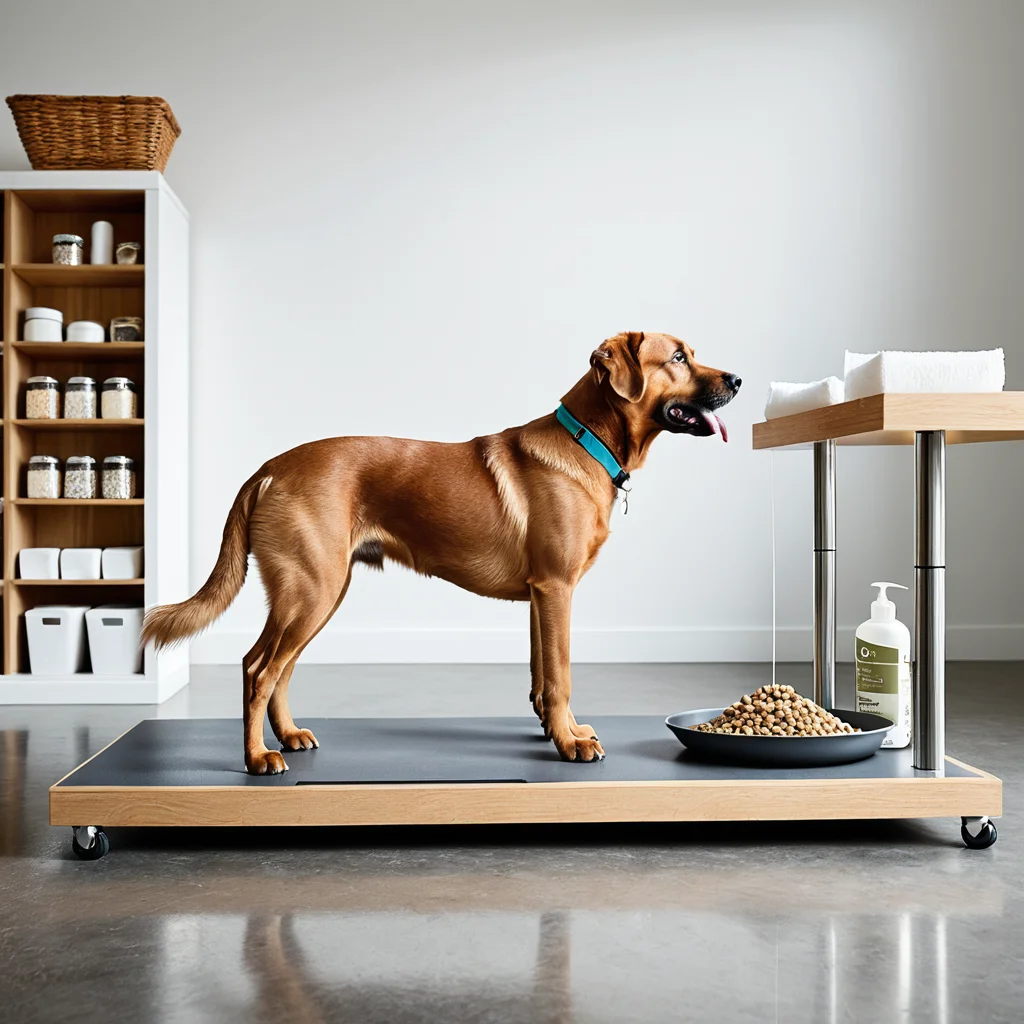
A dog with a sensitive stomach can turn mealtime into a source of stress for both pet and owner. Digestive sensitivity is not a single condition but a general term describing a dog’s tendency to react poorly to certain foods, ingredients, or sudden dietary changes. While some dogs are born with more delicate digestive systems, others develop sensitivities over time due to age, breed predisposition, or underlying health issues. Choosing the right food is often the single most effective way to manage these symptoms and restore a dog’s comfort and energy.

2. Common Signs and Symptoms of Digestive Sensitivity
Recognizing the signs of a sensitive stomach early can help prevent more serious complications. Common symptoms include intermittent vomiting, soft or loose stools, excessive gas, and audible stomach gurgling. Some dogs also show reduced appetite, lethargy after eating, or a dull, flaky coat linked to poor nutrient absorption. Occasional mild symptoms are not unusual, but frequent or worsening episodes suggest that a dog’s current diet may not be agreeing with their system.

3. What Causes Sensitive Stomach Issues in Dogs
Digestive sensitivity can stem from several sources. Food intolerances to specific proteins or grains are among the most common culprits, though true food allergies are less frequent than often assumed. Rapid diet changes, low-quality fillers, high-fat treats, and table scraps can all disrupt the gut. Certain breeds, such as German Shepherds and Boxers, are also known to be more prone to digestive issues. In some cases, underlying conditions like pancreatitis, inflammatory bowel disease, or parasites may be contributing factors, which is why persistent symptoms should never be ignored.
🛒 Recommended Product
4. Key Ingredients to Look for in Sensitive Stomach Dog Food
The best sensitive stomach formulas typically feature a single, easily digestible novel protein source such as salmon, lamb, or turkey. Prebiotic fibers and probiotics support healthy gut flora, while easily digestible carbohydrates like rice or sweet potato provide steady energy without irritating the digestive tract. Omega-3 fatty acids from fish oil can help reduce inflammation, and limited-ingredient formulas reduce the chance of triggering a reaction from unnecessary additives.

5. Ingredients and Additives to Avoid
Certain ingredients are more likely to aggravate a sensitive digestive system. These include artificial colors and flavors, excessive fillers like corn or soy, high-fat content, and common allergens such as dairy or wheat gluten in dogs known to react to them. By-products of unclear origin and artificial preservatives like BHA or BHT are also worth avoiding when selecting a formula for a dog prone to stomach upset.

6. Top Dog Food Options for Sensitive Stomachs
Several well-established brands offer formulas specifically designed for digestive sensitivity. Options such as Purina Pro Plan Sensitive Skin and Stomach, Hill’s Science Diet Sensitive Stomach and Skin, Royal Canin Gastrointestinal, Blue Buffalo Basics Limited Ingredient, and Wellness Simple Limited Ingredient Diet are frequently recommended by veterinarians and pet nutritionists for dogs with digestive challenges. Each takes a slightly different approach, so matching the formula to a dog’s specific triggers and preferences is important.

7. Comparison Table: Popular Sensitive Stomach Formulas
| Feature | Limited-Ingredient Formula | Standard Sensitive Formula |
|---|---|---|
| Protein Source | Single novel protein | One or two common proteins |
| Grain Content | Often grain-free | Easily digestible grains included |
| Added Probiotics | Frequently included | Sometimes included |
| Best For | Suspected food allergies | General digestive sensitivity |
8. How to Transition Your Dog to a New Food Safely
Switching foods too quickly is one of the most common causes of digestive upset, even when moving to a higher-quality formula. A gradual transition over seven to ten days is recommended: start with about twenty-five percent new food mixed with the old, increasing the ratio every two to three days until the dog is eating the new food exclusively. Monitoring stool quality and energy levels throughout this period helps confirm the new diet is being well tolerated.
🛒 Recommended Product
9. Additional Feeding Tips for Digestive Health
Beyond food selection, consistent feeding routines support digestive stability. Feeding smaller, more frequent meals can ease the workload on the stomach compared to one or two large meals. Avoiding sudden treat changes, ensuring constant access to fresh water, and using slow-feeder bowls for dogs that eat too quickly can also reduce bloating and discomfort. Keeping a simple food journal can help identify patterns between specific ingredients and symptoms.
10. When to Consult a Veterinarian
While dietary adjustments resolve many mild cases of digestive sensitivity, some symptoms require professional evaluation. Persistent vomiting or diarrhea, blood in the stool, sudden weight loss, or signs of pain should prompt an immediate veterinary visit. A veterinarian can rule out underlying conditions, recommend diagnostic testing if needed, and suggest a prescription diet in more complex cases.
11. Frequently Asked Questions
How long does it take to see improvement after switching foods? Most dogs show noticeable improvement within two to four weeks of a gradual, successful transition.
Is grain-free always better for sensitive stomachs? Not necessarily; grain-free diets help dogs with specific grain sensitivities, but many dogs tolerate digestible grains like rice without issue.
Can puppies have sensitive stomach formulas? Puppies have different nutritional needs, so it’s best to choose a formula specifically labeled for puppy digestive support or consult a veterinarian first.
12. Conclusion and Recommendations
Managing a dog’s sensitive stomach is often a matter of careful ingredient selection, gradual transitions, and consistent feeding habits. Limited-ingredient and novel protein formulas offer a strong starting point for many dogs, but individual responses vary, so patience and observation are key. When symptoms persist despite dietary changes, professional veterinary guidance remains the most reliable path to lasting digestive comfort.