⚠️ This page connects you to Atovia’s partners and affiliate markets. We may receive a commission from affiliate partners for activities made through these links. Discount offers may change at any time according to policy! Rest assured, there are no additional costs to you! We hope this saves you time in finding the right items!
- Always research the specific event’s dress code and venue before choosing your outfit.
- Fashion events reward creativity — playing it too safe can be just as risky as overdressing.
- A well-chosen statement piece elevates even the simplest base outfit.
- Fit and tailoring matter more than brand labels at any fashion gathering.
- Comfort is strategic — you will look and feel more confident when you can move freely.
1. Understanding Fashion Event Dress Codes
Fashion events span a wide spectrum — from intimate designer showrooms and press previews to major runway shows, galas, and industry networking nights. Each carries its own unspoken dress code, and reading the room before you arrive is half the battle.
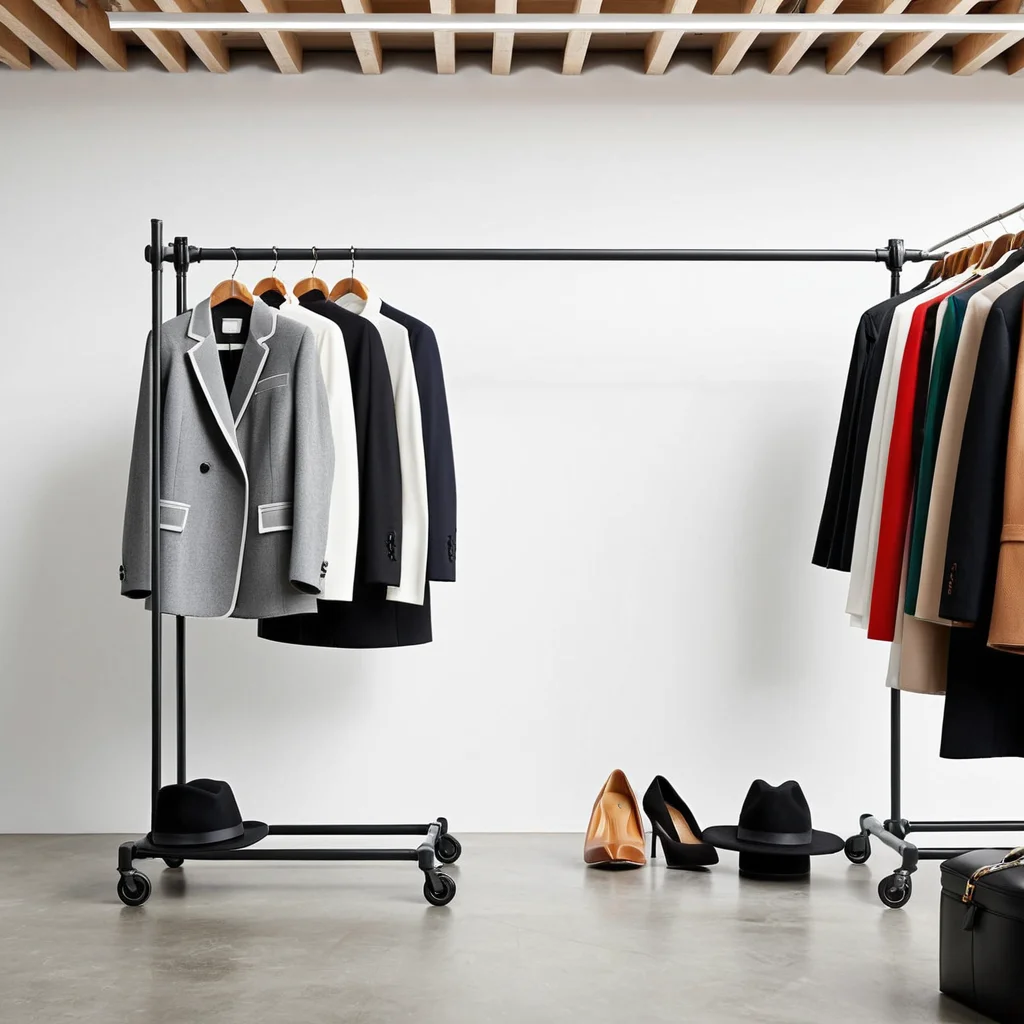
Runway shows and fashion weeks typically attract editors, buyers, and influencers who use their outfit as a personal brand statement. Avant-garde silhouettes, bold color choices, and experimental layering are not just accepted — they are expected. Think structured coats, architectural shoes, and unexpected fabric combinations.
Industry networking events and press nights lean toward smart-creative: polished but with a distinctive edge. A tailored blazer over wide-leg trousers, or a minimalist midi dress with strong accessories, hits the right note without feeling overdone.
Brand launches and pop-up events often align with the aesthetic of the brand itself. If you know the label’s identity — whether it is streetwear, luxury, or sustainable slow fashion — mirror that energy subtly in your look.
Fashion galas and award ceremonies call for elevated dressing: floor-length gowns, sharp tuxedos, or high-fashion cocktail attire. This is the moment for heritage pieces, couture-inspired silhouettes, or investment separates.
When in doubt, always dress one level above what you think is required. In fashion circles, being slightly overdressed signals effort and respect for the occasion.
2. Building Your Statement Look
The most memorable fashion event outfits are built around a single hero piece — one item that anchors the entire look and draws the eye. Everything else supports, not competes.
Start by choosing your focal point. This might be a sculptural jacket, a dramatic printed skirt, an architectural bag, or a pair of show-stopping boots. Once your hero piece is decided, build outward from there using a restrained, cohesive palette.
The one-third rule is useful here: if your hero piece is loud, keep two-thirds of your look calm and understated. A bold, heavily embellished coat pairs beautifully with straight-cut trousers and simple leather loafers. Conversely, if your base outfit is neutral and clean, your accessories can carry more weight.
Color strategy matters enormously at fashion events. Monochromatic dressing — head-to-toe in one shade or tonal family — is consistently strong in industry settings because it photographs well and reads as deliberate. Tonal neutrals like camel, ivory, and chocolate, or saturated single-color looks in cobalt, emerald, or red, are perennially effective.
Texture play is an underrated tool. Combining matte and shine, or structured and fluid fabrics within a single outfit, adds visual depth without requiring multiple competing colors or prints.
🛒 Recommended Product
3. Key Pieces Every Fashion Event Wardrobe Needs
Rather than building one-off outfits, invest in versatile anchor pieces that rotate across multiple events with different styling each time.

The Sharp Blazer — Perhaps the single most versatile fashion event piece. A well-cut blazer in a strong color or unexpected fabric such as boucle, leather, or velvet can dress up trousers, elevate a simple slip dress, or layer over a turtleneck for a polished editorial effect.
Tailored Wide-Leg Trousers — Clean, elongating, and endlessly adaptable. Pair with a simple fitted top and statement shoes for a look that works from a morning press preview through an evening cocktail event.
The Investment Dress — One great dress in a silhouette that flatters your frame — whether that is a structured column, a fluid bias cut, or a bold A-line — is worth its price per wear across a full season of events.
Quality Footwear — In fashion circles, shoes are scrutinized closely. A pair of well-crafted, distinctive shoes will do more for your overall look than almost any other single item. Prioritize construction and interesting design over trend-chasing.
A Strong Bag — Your bag is visible in every photo and throughout every conversation. Choose one that is well-made, distinctive without being costume-like, and proportionate to your frame.
4. Accessorizing for Maximum Impact
Accessories at fashion events function differently than in everyday dressing. Rather than completing an outfit quietly, they are often the conversation starter — the piece someone across the room notices first.
The key principle is intentionality. Every accessory you add should feel like a deliberate choice, not an afterthought. A single remarkable piece — an architectural cuff, a sculptural ring, a vintage brooch worn unexpectedly on a lapel — carries more authority than a layered stack of unremarkable items.
Jewelry should complement your outfit’s overall energy. Minimalist outfits benefit from one strong, oversized jewelry piece. More elaborate looks call for restraint — simple gold hoops or a delicate chain rather than competing detail.
Bags at fashion events often function as a style signature. Structured top-handle bags, interesting clutches, and unique crossbody styles all photograph exceptionally well. Avoid bags that are overly casual unless the event context is explicitly streetwear-adjacent.
Shoes deserve special attention. At fashion events, original or lesser-known designer footwear often generates more genuine admiration than recognizable luxury logos. Interesting silhouettes — square toes, sculptural heels, unexpected materials — signal strong fashion awareness.
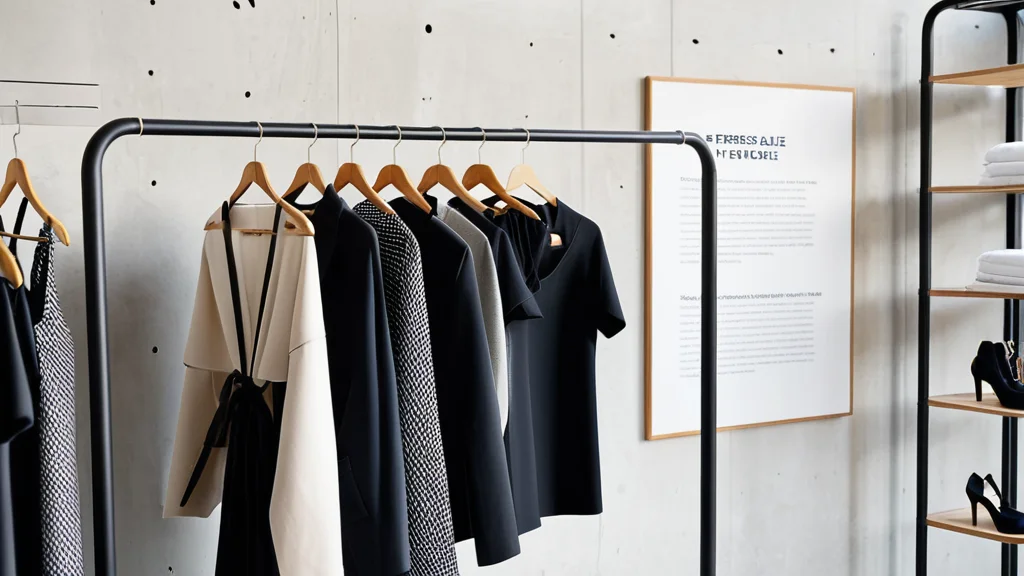
Outerwear is your first impression, especially at outdoor or transitional-season events. A great coat or jacket worn over your event outfit can be the most memorable element of your entire look.
5. Common Style Mistakes to Avoid
Even experienced dressers make missteps at fashion events. Knowing what to sidestep is as valuable as knowing what to reach for.
Over-logoism — Heavy head-to-toe branding reads as trying too hard in most fashion industry contexts. A single brand reference, worn with confidence and paired with other strong pieces, is far more effective than logo saturation.
Ignoring fit — No matter how prestigious the label, poor fit undermines the entire look. Ill-fitting garments suggest a disconnection from fashion fundamentals that industry insiders notice immediately. Tailoring is always worth the investment.
Dressing for the wrong event tier — Wearing a formal gown to a casual industry lunch, or showing up to a major gala in weekend-casual clothes, signals a lack of preparation. Always confirm the event format before finalizing your look.
Sacrificing comfort entirely — Shoes you can barely walk in, a silhouette that restricts movement, or a garment that requires constant adjustment will undermine your confidence throughout the event. Fashion-forward does not require physical discomfort.
Forgetting the practical layer — Many fashion events involve standing for long periods, moving between venues, or outdoor components. Consider the logistics of your outfit, not just its appearance in a static photograph.
6. Quick Outfit Formulas by Event Type
| Event Type | Daytime Formula | Evening Formula |
|---|---|---|
| Runway Show / Fashion Week | Statement coat + tailored trousers + bold shoes | Sculptural dress or sharp suit + architectural bag |
| Brand Launch / Pop-Up | Brand-aligned aesthetic + one standout accessory | Elevated smart-casual with distinctive footwear |
| Industry Networking Night | Blazer + wide-leg trousers + quality loafers | Midi dress + statement jewelry + structured bag |
| Fashion Gala / Award Event | N/A (typically evening only) | Floor-length gown or formal suiting + investment heels |
| Press Preview / Showroom Visit | Polished minimalism + one editorial accessory | Smart-creative separates + strong outerwear |
Dressing for fashion events is ultimately about communicating who you are and what you understand about style — not about spending the most or wearing the biggest names. The most admired looks in any fashion room tend to share three qualities: they are clearly intentional, they fit beautifully, and they reflect a genuine point of view. Build from those principles, and your fashion event wardrobe will serve you across every occasion on the calendar.
Ready to refine your fashion event style? Explore our curated edits of key pieces, styling guides, and trend reports.